
I was sitting in a cramped, humid shared studio last summer, surrounded by the smell of plastisol ink and half-finished screen prints, staring at a “luxury” heavy-weight tee that cost me a fortune. On paper, it was supposed to be the ultimate piece for dressing for your own context, but the moment I turned it inside out to check the overlock stitching, I realized the truth: the construction was absolute garbage. We’ve been sold this lie that “context” means buying into a specific aesthetic or a high-priced brand name that tells the world who you are, when really, the only context that matters is how a garment actually functions in your actual life.
I’m not here to feed you more TikTok micro-trends or tell you which designer is having a “moment.” Instead, I want to talk about the technical reality of what you’re putting on your body. I’m going to break down how to look past the marketing fluff and focus on the actual build quality—from GSM and weave density to seam allowances—so you can stop chasing vibes and start building a wardrobe that actually survives your day.
Mastering Situational Fashion Etiquette Through Fabric Weight
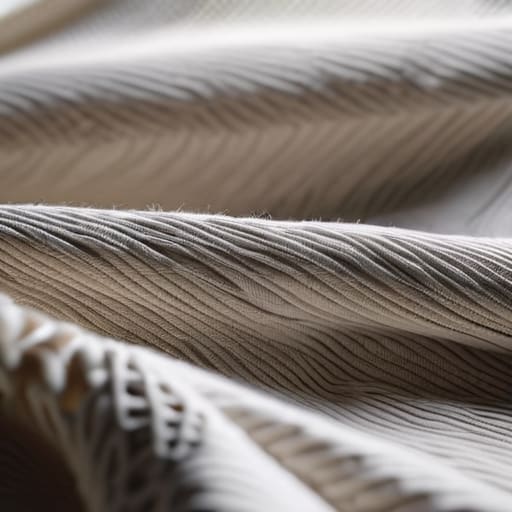
Most people think dressing for the room is about picking the right color or a specific brand, but they’re missing the most obvious part: the physical reality of the space. I’m talking about fabric weight. You can wear the most expensive designer piece in the world, but if you show up to a high-pressure gallery opening in a flimsy, 140 GSM jersey that clings to every single fold, you’re going to feel out of place. Mastering situational fashion etiquette starts with understanding how a textile interacts with its environment. A heavy, structured loopback cotton provides a certain architectural confidence in professional settings, whereas a lightweight linen might be perfect for a coastal dinner but look completely limp and unpolished in a drafty concrete studio.
It’s really just about personal style and situational awareness. When I’m sourcing blanks for a run, I’m always asking: “Does this weight hold its shape when the wearer is moving?” If you’re navigating professional vs casual dress codes, the fabric does half the heavy lifting for you. A heavyweight drape can make a basic tee look intentional and sharp, while a thin, cheap weave just looks like an afterthought.
Why Personal Style and Situational Awareness Trumps Fast Fashion
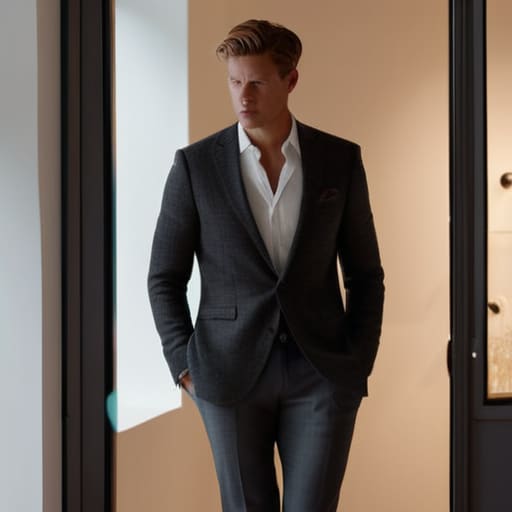
Look, the biggest lie fast fashion sells you is that “new” equals “better.” They want you to believe that if you just buy the latest drop, you’ll somehow look more put-together, but that’s just a treadmill designed to keep you spending. Real style isn’t about chasing a micro-trend that’ll be landfill by next Tuesday; it’s about personal style and situational awareness. It’s knowing that a heavy-weight cotton hoodie might be your comfort zone, but it’s probably going to look sloppy if you’re trying to navigate a gallery opening or a dinner where the vibe is slightly more elevated.
When you stop looking at what’s “in” and start looking at where you’re actually going, everything changes. You begin to understand the nuances of dressing for social settings based on the actual environment rather than a curated Instagram feed. It’s about having a wardrobe that functions as a toolkit. Instead of buying ten cheap, flimsy shirts that lose their shape after two washes, you invest in pieces that respect the room you’re walking into. That’s how you build a look that actually feels intentional.
Stop Dressing for the Algorithm and Start Dressing for Your Life

- Stop chasing “core” aesthetics. If you’re spending your day in a dusty studio or a cramped cafe, a stiff, structured blazer isn’t a vibe—it’s a cage. Dress for the actual physical movements you make every day, not the aesthetic you want to project on a grid.
- Learn to read a spec sheet, not just a brand name. Before you buy, look for the GSM (grams per square meter). If you need a piece that holds its shape through a long commute or a shift on your feet, you want weight. A flimsy, low-GSM shirt will lose its silhouette after two washes, and then you’re just left with a rag.
- Prioritize seam integrity over flashy logos. I’ve seen so many “hype” pieces fall apart at the armholes after a month because the manufacturer cut corners on the stitch density. If the construction is garbage, the context doesn’t matter because you won’t be wearing it for long.
- Build a “utility” rotation based on your environment. If your context involves constant temperature shifts—like moving between a drafty train and a heated office—focus on layering pieces with natural fibers like wool or heavy cotton. Synthetic blends might look okay in a photo, but they don’t breathe, and you’ll be miserable by noon.
- Respect the lifecycle of your clothes. Dressing for your context means knowing how much maintenance a garment actually requires. If you live in a tiny apartment with no space for a steamer or a heavy-duty wash, don’t buy high-maintenance silks just because they look “elevated.” Buy fabrics that can actually survive your reality.
The Real Cost of Looking the Part
Stop chasing the algorithm and start looking at the GSM; understanding fabric weight is the only way to ensure your clothes actually match the energy of the room you’re walking into.
Prioritize construction over hype, because a well-placed seam allowance and a sturdy weave will serve your personal context far longer than a seasonal trend ever will.
True style isn’t about following a mood board, it’s about knowing how a garment behaves in the real world so you aren’t constantly fighting your clothes just to exist in a space.
Frequently Asked Questions
How do I figure out if a garment's GSM is actually high quality or if the brand is just using heavy fabric to hide a cheap, loose weave?
The “stretch and recovery” test is your best friend here. Grab the fabric and give it a firm tug. If it snaps back instantly, the weave is tight. If it stays slightly distorted or feels “mushy” after you let go, they’re just using a heavy, low-density knit to fake that premium weight. Also, hold it up to the light; if you see uneven gaps in the threads despite the heft, it’s just expensive air.
If I'm trying to build a wardrobe that fits my specific lifestyle, should I prioritize versatile basics or invest more in pieces that match my specific "context"?
Look, this is the classic trap. Everyone tells you to buy “versatile basics,” but half those “basics” are just cheap, thin blanks that lose their shape after three washes. If you’re building for a specific lifestyle, prioritize the pieces that actually meet your context’s demands. I’d rather see you own three high-GSM, perfectly cut shirts that actually hold their structure in your daily life than a closet full of “versatile” junk that feels like paper.
How can I tell if a piece is actually well-constructed (like looking at seam allowances and finishes) versus just looking good in a marketing photo?
Stop staring at the model in the studio lighting; that’s just marketing fluff. Turn the thing inside out. Seriously. I do it with everything I make. Look at the seam allowances—if they’re skimpy or raw, it’s a cheap build. Check the stitching: is it straight, or is it puckering because the tension is off? If the finishes are messy, the garment won’t survive three washes. Real quality is hidden on the inside.