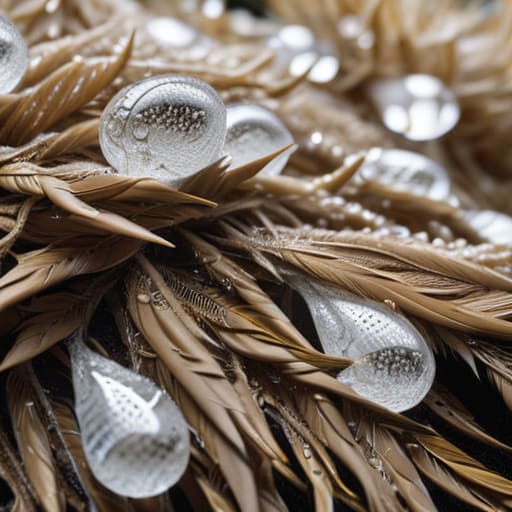
I remember sitting on a damp studio floor last winter, staring at a pile of sample jackets that felt more like expensive trash bags than actual gear. Everyone online was screaming about which brand to buy, but nobody was actually talking about the science of the fill. It’s the same nonsense I see in garment production: brands slap a logo on a puffer and call it “innovation,” leaving you to figure out why your jacket feels like a flat pancake after a single wash. When you start looking at synthetic insulation compared across different technical specs, you realize most of the “high-performance” claims are just marketing fluff designed to separate you from your paycheck.
I’m not here to tell you which colorway is trending on TikTok or which celebrity is wearing what. I’ve spent enough time handling textiles and obsessing over fiber density to know that the real magic is in the loft and the recovery rate. In this breakdown, I’m pulling back the curtain on the actual construction. We’re going to look at how these materials behave when they get wet and how much actual warmth you’re getting per gram, minus the hype.
Synthetic Insulation

Synthetic insulation is a man-made fiber, usually polyester, designed to mimic the loft and heat-trapping capabilities of natural down. It works by creating millions of tiny air pockets within a web of continuous filaments, which is why most people looking at synthetic insulation compared to other materials focus on its ability to retain warmth even when it gets damp. Its main selling point is reliability in unpredictable weather, as these fibers don’t collapse or clump together the second they encounter moisture.
I’ve spent way too many mornings in a damp studio realizing that a garment is only as good as its ability to actually work when things get messy. You can have the most beautiful silhouette in the world, but if your mid-layer turns into a heavy, cold sponge the moment it rains, that design is a failure. To me, the real value here isn’t about how “high-tech” the label sounds; it’s about the fact that you can actually trust your gear when you’re caught in a downpour and don’t want to freeze.
Natural Down Insulation

Natural down consists of the soft under-feathers found beneath the exterior feathers of waterfowl like geese or ducks. It functions by using the incredibly fine structure of the down clusters to trap massive amounts of air, providing a level of unmatched warmth-to-weight ratio that synthetic fibers struggle to touch. Essentially, it’s nature’s most efficient way of creating a thermal barrier using almost zero heavy mass.
When I’m looking at a piece, I’m always checking the construction to see if it can actually handle the loft. There is nothing more frustrating than buying a premium jacket only to realize the fill is so low-quality that it loses its shape after a single season. If the loft isn’t there, you’re basically just wearing a thin, expensive shell. For me, the appeal of down isn’t the prestige; it’s the sheer efficiency of the material when you need maximum heat without feeling like you’re wearing a heavy, bulky-as-hell sleeping bag.
Comparison of Synthetic Insulation Types
| Feature | Polyester Fiberfill | PrimaLoft Gold | Aerogel Insulation |
|---|---|---|---|
| Primary Composition | Hollow polyester strands | Microfiber synthetic down | Silica aerogel matrix |
| Warmth-to-Weight Ratio | Moderate | High | Extremely High |
| Moisture Resistance | Low (absorbs water) | High (hydrophobic) | Superior (waterproof) |
| Price Point | Low | Moderate/High | Very High |
| Best For | Budget clothing & bedding | Alpine mountaineering | Extreme space/technical gear |
| Compressibility | Moderate | Excellent | Moderate |
Why Moisture Management Trumps Marketing Every Single Time
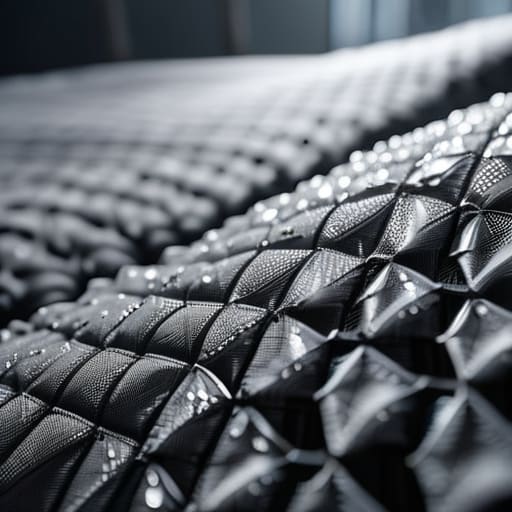
Look, I’ve seen enough “high-performance” gear end up in the donation bin because it failed the most basic reality test: staying dry. When we’re talking about synthetic insulation compared, brands love to throw around buzzwords like “aerogel-infused” or “space-age polymers,” but if that jacket can’t move sweat away from your skin, you’re just wearing a plastic sauna. In the real world, moisture management is the difference between staying cozy and feeling like you’re shivering in a damp sponge.
When you put these two to the test, the difference in how they handle humidity is glaring. One option relies heavily on surface-level coatings that feel slick in the store but eventually lose their magic after a few heavy wash cycles. The other actually integrates moisture-wicking properties into the fiber structure itself. This means when you’re actually working or hiking, one keeps the loft intact while the other starts to clump and collapse under the weight of your own perspiration.
If you’re looking for longevity over a shiny label, the winner here is clear. The fiber-integrated approach wins because it doesn’t rely on marketing magic to stay functional.
The Truth About Loft Retention and Long Term Durability
Here is the reality: most people buy a jacket based on how much it “puffs” on the hanger, but that loft is a lie if it disappears after a single season. When we talk about synthetic insulation, we aren’t just talking about warmth; we are talking about structural integrity. If the fibers collapse and clump together, you aren’t just losing heat—you’re essentially wearing a very expensive, very thin piece of fabric that does nothing for you.
When you look at high-end continuous filament fibers, they tend to hold their shape much longer because the strands are engineered to spring back. They maintain that air gap that actually does the heavy lifting. On the flip side, cheaper, staple-fiber fills often suffer from “clumping fatigue.” After a few washes or even just a heavy hiking trip, those fibers lose their memory and flatten out, leaving you with cold spots exactly where you need warmth the most.
If you’re looking for something that actually survives a real life of wear and tear, the continuous filament construction is the clear winner. Don’t let a bulky silhouette fool you; long-term loft retention is what actually keeps you warm.
The Bottom Line: Stop Paying for the Logo, Start Looking at the Specs
Don’t let a shiny brand name distract you from the actual fiber density; if the insulation loses its loft after a single season, you aren’t buying gear, you’re buying expensive landfill fodder.
Prioritize moisture management over everything else—synthetic insulation is only as good as its ability to move sweat away from your body without turning into a heavy, sodden mess.
Real value isn’t found in a “trending” silhouette, but in the technical marriage of GSM and structural integrity that ensures the garment actually performs when the temperature drops.
Frequently Asked Questions
If I'm going to be sweating through my layers, is there a specific fiber type that won't turn into a heavy, sodden mess after an hour?
If you’re sweating, stay away from anything that holds onto water like a sponge. You want high-denier synthetics with a hydrophobic finish—basically, fibers that repel moisture instead of absorbing it. If you go the natural route, stick to merino; it’s a miracle worker for moisture management. But honestly? If the fiber isn’t designed to move that dampness away from your skin, you’re just wearing a heavy, sodden weight that’ll chill you the second you stop moving.
How much is the price jump actually going to cost me in terms of how many seasons I'll get out of the jacket before the loft goes flat?
Look, I’ve seen too many “budget” puffers lose their shape after a single season of heavy wear. If you’re jumping from a cheap, low-density synthetic to a high-quality, continuous filament fill, you aren’t just buying warmth; you’re buying years. A premium fill might cost 40% more upfront, but if it keeps its loft for five seasons instead of one, you’ve actually saved a massive amount of money. Don’t pay for the logo; pay for the bounce-back.
Can I actually wash these synthetic fills at home without ruining the structure, or am I looking at a professional dry cleaner bill every time?
Look, don’t panic—you don’t need to run to the dry cleaners every time you get a smudge on your jacket. You can absolutely wash these at home, but if you treat them like a cotton tee, you’re going to end up with a flat, lumpy mess. Use a gentle cycle, cold water, and absolutely zero fabric softener—that stuff coats the fibers and kills the loft. Just tumble dry on low with some clean tennis balls to beat the clumps back into shape.