
I remember sitting on the floor of my first shared studio, surrounded by a mountain of polybags that felt like they were made of recycled grocery sacks. I had just spent months perfecting the drape of a heavyweight jersey, only to realize that the flimsy, generic plastic I used for shipping made the whole thing look like a clearance bin find. It’s a gut punch when you realize your hangtags and packaging are doing more to sabotage your brand than your actual construction is doing to build it. People love to tell you that you need custom-molded, gold-foiled madness to look “premium,” but that’s usually just a way to bleed your margins dry before you’ve even sold a single unit.
I’m not here to sell you on some aesthetic trend or tell you to spend your entire production budget on a fancy box. Instead, I want to talk about the tactile reality of what you’re sending to your customers. I’m going to show you how to select materials that actually feel substantial and how to use your branding to signal quality without the unnecessary fluff. We’re going to focus on the small, functional details that prove you actually care about the craft, because at the end of the day, substance beats hype every single time.
Product Branding Through Hangtags Beyond the Mere Price Tag
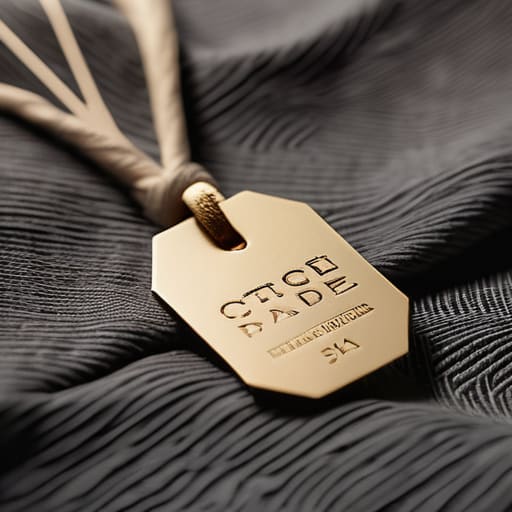
Look, I’ve seen too many small labels treat a hangtag like an afterthought—just a little scrap of paper with a barcode slapped on it. But if you’re trying to build something real, you need to realize that product branding through hangtags is actually your first physical handshake with a customer. When someone pulls a heavy-weight hoodie out of a bag, that little tag is what tells them whether they just bought a piece of art or just another piece of landfill. It’s not about being flashy; it’s about communicating intent.
If you’re aiming for a higher price point, don’t just look at the current luxury packaging design trends that rely on gold foil and unnecessary plastic. Instead, think about how the weight and texture of the cardstock reflect your construction. If I’m stitching a garment with reinforced seams and high-quality finishes, a flimsy, paper-thin tag feels like a lie. You want your custom brand identity packaging to feel as intentional as the pattern cutting itself. It’s about creating a cohesive narrative that says, “I actually cared about the details.”
Unboxing Experience Optimization Protecting Your Hard Earned Quality

Look, I’ve seen it a thousand times: a brand drops a heavy, 400 GSM French Terry hoodie that feels like a literal hug, only to ship it in a thin, crinkly poly mailer that looks like it belongs in a discount bin. It kills the vibe instantly. If you’ve spent months perfecting your fit and sourcing the right fabric, don’t let a subpar shipping method undo all that work. Unboxing experience optimization isn’t about adding unnecessary layers of plastic; it’s about ensuring the physical arrival of the garment matches the quality of the stitching.
If you’re leaning into sustainable retail packaging solutions, you’re already ahead of the curve, but don’t let “eco-friendly” become an excuse for “flimsy.” A compostable mailer that rips open before it even hits the porch makes your brand look amateur. I’m a big believer in using structured, recycled cardboard mailers or even reusable fabric pouches. When the customer pulls that garment out, it should feel like an intentional reveal, not just a piece of laundry they rescued from a trash bag.
Stop Wasting Your Margins: 5 Real-World Rules for Packaging and Tags

- Don’t go overboard with heavy, custom-molded plastic; if your packaging feels like a landfill-bound nightmare, people will associate your brand with that same lack of intentionality.
- If you’re investing in thick, 400gsm cardstock for your hangtags, make sure the string isn’t some flimsy, generic plastic bit that snaps the second a customer touches it.
- Use your hangtags to actually talk to your customers—skip the generic “Made in…” and tell them about the specific weight of the fabric or the origin of the weave.
- Test your packaging against real-world shipping; if your beautiful, branded box collapses after being tossed around a sorting facility, you haven’t built a brand, you’ve built a liability.
- Keep your branding consistent across the board—if your garment has a heavy, premium feel but your packaging is thin, glossy paper, you’re creating a sensory disconnect that kills trust.
The Bottom Line: Stop Overpaying for Fluff and Start Investing in Feel
If your garment has a heavy GSM and a killer silhouette, don’t ruin the first impression with a flimsy, paper-thin hangtag that feels like a grocery store flyer.
Packaging isn’t just about “the vibe”; it’s functional protection that ensures your hard work doesn’t arrive at the customer’s door looking like it was dragged through a studio floor.
Use your packaging to tell the truth about the craft—if you’ve put effort into the seam allowance and the fabric choice, let your tags and mailers reflect that same level of intentionality.
Frequently Asked Questions
Is it actually worth the extra cost to go with heavy-duty cardstock, or can I get away with something lighter if my brand vibe is more minimal?
Look, if your vibe is minimal, that doesn’t mean “flimsy.” There is a massive difference between intentional minimalism and looking like you ran out of budget. If you go with a lightweight, thin paper, it’s going to feel like a flyer, not a brand. I’d rather see a crisp, heavy-weight uncoated stock that feels substantial in the hand than a cheap, glossy card that wrinkles the second someone touches it. Don’t skimp on the tactile stuff.
How do I find a supplier that won't charge me a fortune for small runs of custom-printed poly mailers?
Look, the “big” packaging houses won’t even look at you if you aren’t ordering ten thousand units. For small runs, stop searching for massive manufacturers and look for specialized “on-demand” printers or boutique packaging suppliers. Sites like Noissue or Packhelp are decent, but they can get pricey. Honestly? If your margins are tight, buy plain compostable mailers in bulk and get a custom rubber stamp made. It looks intentional, saves a fortune, and keeps your carbon footprint low.
If I’m trying to be more sustainable, does switching to recycled packaging make my brand look "cheap" or does it actually add to the perceived value?
Look, if you’re worried that recycled cardstock looks “cheap,” you’re probably just using the wrong kind. There’s a massive difference between flimsy, grey office-grade scrap and heavy-weight, textured recycled stock. To me, a thick, uncoated recycled tag actually screams high-end craft. It tells me you actually care about the lifecycle of the piece. Don’t aim for “shiny and plastic”; aim for tactile and intentional. Sustainability shouldn’t look like an afterthought—it should feel like a choice.