
I still remember the first time I tried to scale a pattern for a small-run drop using imported blanks. I had ordered what I thought was a standard Large, only to realize the garment was practically a crop top on anyone with a torso longer than a ruler. It’s that exact, infuriating moment of realization that makes the whole debate of asian versus european sizing feel like such a minefield. Most people think it’s just about “small vs. large,” but they’re missing the entire point. It isn’t just a number on a tag; it’s a fundamental shift in how the fabric is cut, where the shoulder seams sit, and how the actual silhouette behaves once you put it on.
I’m not here to give you a generic chart that’ll fail you the second you actually try the clothes on. Instead, I want to pull back the curtain on the technical reality of how these different regions approach garment construction. I’ll break down the specific differences in cut and scale so you can stop wasting money on blanks that don’t fit your vision. No hype, no marketing fluff—just the actual math and geometry you need to know.
Why International Garment Sizing Standards Often Lie to You
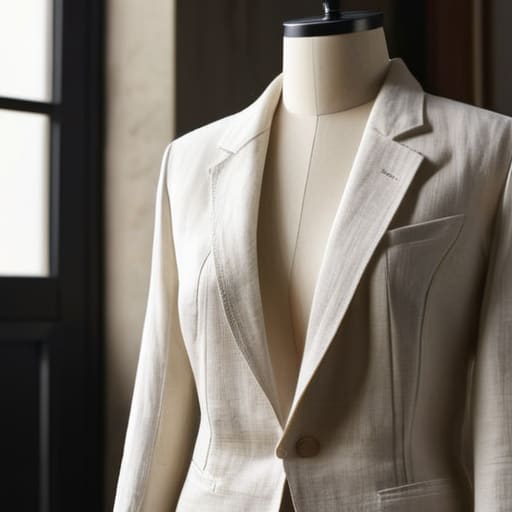
The problem is that we’ve been taught to treat a “Medium” like it’s a universal constant, but it’s actually a moving target. When you look at international garment sizing standards, you aren’t just looking at different numbers; you’re looking at fundamentally different philosophies of how a body should be encased in fabric. In Europe, there is often a focus on a more structured, sometimes longer silhouette. But when you jump over to Asian manufacturing, the block is frequently cut shorter in the torso and narrower in the shoulders. It’s not just a minor shift; it’s a total recalibration of the garment’s architecture.
If you rely solely on a generic clothing size conversion chart without looking at the actual specs, you are almost guaranteed to end up with something that fits like a costume rather than clothing. Most charts assume a linear progression—that a Large in Paris is just a slightly bigger version of a Large in Tokyo—but that’s a lie. The reality is that scale and proportion change entirely between regions. You can’t just add two inches to a measurement and call it a day; you have to account for how the entire drape of the piece is intended to sit on the frame.
The Math Behind a Clothing Size Conversion Chart
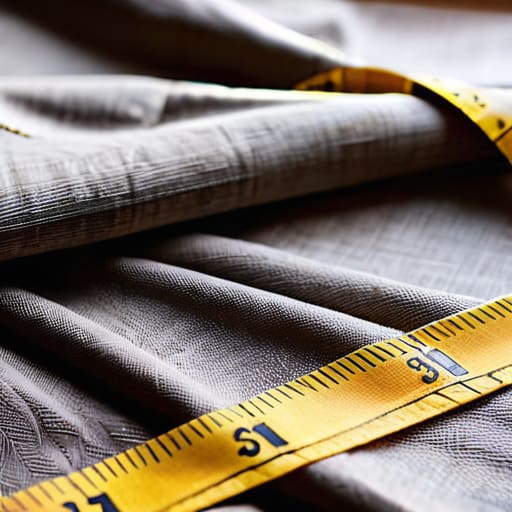
Look, if you’re expecting a magic number that lets you jump from a European Medium to an Asian Medium without any friction, I’m going to disappoint you. A standard clothing size conversion chart isn’t a law; it’s more like a suggestion that’s frequently wrong. Most charts try to simplify everything into a single scale, but they usually fail to account for the actual geometry of the garment. When I’m looking at a spec sheet, I’m not just looking at the label; I’m looking at the chest width and the shoulder slope.
The real issue is that these charts often ignore how different regions approach the body’s proportions. In Europe, the cut tends to be longer in the torso and wider in the shoulders, whereas many Asian blanks are designed with a shorter, more compact frame in mind. If you’re trying to figure out how to measure for Asian clothes to avoid a disaster, stop focusing on your “size” and start focusing on the actual centimeters. If you don’t check the specific garment measurements against your own, you’re basically just gambling with your money.
How to Not Get Burned When Ordering Across Borders
- Stop trusting the label and start looking at the chest width. A “Large” in a Tokyo-based streetwear brand might have the same circumference as a European “Small,” so if you aren’t checking the actual centimeter measurements, you’re basically playing garment roulette.
- Watch out for the shoulder slope. European cuts tend to be broader and more structured, whereas many Asian blanks are designed with a narrower, more linear shoulder. If you have a wider frame, an Asian “XL” might feel like it’s trying to strangle your deltoids.
- Account for the torso length, or prepare to look like you’re wearing a crop top. Even if the width feels right, Asian sizing often skews shorter in the body. If you’re tall, you’ll likely find that the hem sits way higher than it would on a standard European cut.
- Learn the “Oversized” trap. In the West, “oversized” usually means a relaxed fit with dropped shoulders. In many Asian markets, “oversized” can sometimes just mean a boxier, shorter silhouette. Don’t assume “big” means “long.”
- Always check the fabric weight (GSM) alongside the size. A tiny, heavy-weight Japanese tee will drape completely differently than a massive, thin European fast-fashion shirt. The weight of the fabric dictates how the size actually sits on your body, regardless of what the tag says.
The TL;DR for your next order
Stop relying on “Small” or “Large” labels—they are essentially meaningless across borders. Always grab a measuring tape and check the actual chest and shoulder width in centimeters before you hit buy.
If you’re moving from European to Asian blanks, expect a significant shift in the silhouette. Asian cuts tend to be narrower through the torso and shorter in the sleeve, so if you want that oversized Gen Z look, you’re going to have to size up more than you think.
Don’t mistake a “slim fit” in Europe for a “standard fit” in Asia. One is a design choice, the other is often just the way the pattern was drafted for a different body frame. Check the spec sheet or you’ll end up with a shirt that feels like it’s trying to strangle you.
Frequently Asked Questions
If I'm buying a heavy GSM streetwear blank from an Asian supplier, should I size up just to be safe, or is the cut actually different?
Don’t just blindly size up. If you’re eyeing a heavy GSM blank from an Asian supplier, you aren’t just dealing with a different size—you’re dealing with a different architecture. Asian streetwear cuts often favor a shorter, boxier silhouette with narrower shoulders. If you size up too much to compensate for the width, you’ll end up with a length that looks like a dress. Check the shoulder-to-shoulder measurement first; that’s where the real fight is.
How can I tell if a brand is using "vanity sizing" to make their European measurements look more generous than they actually are?
Look, if a brand’s size chart looks suspiciously “generous” compared to the actual fit, they’re likely playing the vanity sizing game. To catch them, stop looking at the marketing and start looking at the specs. Check the garment measurements—specifically the chest width and waist—against a piece of clothing you already own that actually fits. If the “Large” claims to be huge but the actual millimeter measurements are tiny, they’re just inflating the label to hide a slim cut.
Is there a way to check the actual shoulder width or chest measurements online so I don't have to rely on these vague S/M/L labels?
Look, if you’re relying on “Large” to mean anything, you’ve already lost. To actually get it right, stop looking at the size tag and hunt for the “Garment Measurements” or “Size Guide” link—usually buried near the bottom of the product description. You want the flat-lay measurements: specifically the pit-to-pit (chest) and the shoulder-to-shoulder. Grab a shirt you already love, lay it flat, measure it, and compare those actual numbers. That’s the only way to avoid the guesswork.