I was staring at a pile of “premium” heavyweight blanks in my studio last month, and honestly, I just wanted to throw them across the room. I’d spent weeks sourcing what I thought was the perfect heavy jersey, only to realize that the way the fit changes after washing wasn’t just a minor tweak—it was a total structural collapse. There is nothing more soul-crushing than seeing a perfectly draped, intentional silhouette turn into a boxy, shrunken mess because the manufacturer skipped the pre-shrinking process to save a few cents. It’s not “character” and it’s definitely not vintage charm; it’s just bad engineering masquerading as a high-end garment.
I’m not here to sell you on some magical laundry detergent or tell you that “careful washing” is a substitute for quality construction. I want to pull back the curtain on what’s actually happening at the fiber level. We’re going to talk about tension, yarn twist, and why your favorite oversized tee suddenly feels like a crop top after one cycle. I promise to give you the unfiltered reality of how to spot a blank that’s actually built to hold its shape, so you stop wasting money on clothes that die in the dryer.
Cotton vs Synthetic Shrinkage the Material Truth
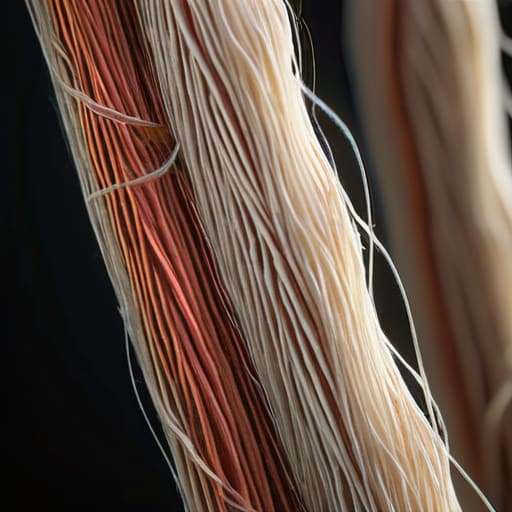
Here’s the thing: not all fibers react to heat the same way, and if you’re just looking at the label without understanding the science, you’re going to get burned. When we talk about cotton vs synthetic shrinkage, we’re looking at two completely different beasts. Cotton is a natural, cellular fiber; it’s basically a tiny, dried-out sponge that wants to pull itself back together once you hit it with hot water. If your blank hasn’t been pre-shrunk during the manufacturing process, that heat is going to trigger a massive contraction.
Synthetics like polyester are essentially plastic, which makes them much more stable in terms of garment shape retention. They don’t “relax” or contract like cotton does, but they have their own set of problems. If you blast a poly-blend with high heat, you aren’t just risking shrinkage; you’re risking drying machine damage that can actually melt or warp the fibers, leaving your garment looking stiff and lifeless. I’ve seen so many brands try to save money by using cheap, high-poly blends to avoid the cotton shrinkage headache, but you end up with a shirt that feels like wearing a cheap gym towel.
Garment Shape Retention and the Gsm Factor
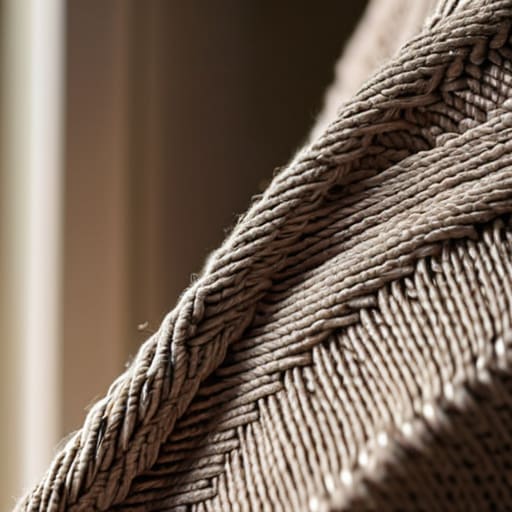
Here is the reality: a high GSM (grams per square meter) isn’t just a flex for feeling “heavyweight”—it’s actually your first line of defense for garment shape retention. When I’m sourcing blanks for a small run, I’m looking for that dense, tight knit. If the fabric is too thin or the weave is loose, it lacks the structural integrity to fight back against the agitation of a wash cycle. A low-GSM shirt is basically a sponge that loses its memory the moment it gets wet, leading to that sad, wavy look around the collar and hem.
It’s not just about the weight, though; it’s about how that weight interacts with the fibers. If you’re working with a flimsy, low-density cotton, you’re essentially inviting drying machine damage to ruin your hard work. High-density fabrics hold their tension much better, meaning they don’t just collapse into a smaller, distorted version of themselves. I’ve seen too many brands chase “softness” by using cheap, low-GSM blends, only to realize their customers are left with clothes that look like they were shrunk in a horror movie after a single laundry day.
How to actually stop your pieces from turning into doll clothes
- Check the fabric composition before you even touch the heat press; if it’s a high-percentage cotton blend without any pre-shrunk treatment, you’re basically gambling on the final fit.
- Stop treating your blanks like they’re indestructible—if you’re drying everything on high heat just to save five minutes, you’re actively killing the structural integrity of the knit.
- Look at the stitch density in the seams, because if the tension is too loose, the garment won’t just shrink, it’ll warp and twist so the side seams end up running toward your stomach.
- Learn to read the technical specs for “sanforization”—if a manufacturer isn’t explicitly telling you the fabric is pre-shrunk, assume it’s going to lose at least half a size in the first wash.
- Don’t just look at the front of the shirt; turn it inside out and check the grainline, because if the fabric was cut off-grain to save money, it’s going to shrink unevenly and look wonky forever.
The Bottom Line: Don't Get Burned by Cheap Blanks
Stop obsessing over the graphic design for a second and check the GSM; if the weight is too low, no amount of cool art is going to save a shirt that turns into a crop top after the first wash.
Always demand to know the fiber content before you commit—blending too much synthetic into your cotton can actually make shrinkage more unpredictable and ruin the way the fabric hangs on the body.
Quality isn’t just about the fabric itself, it’s about the construction; if the seam allowance is non-existent and the stitch density is loose, the garment is going to lose its structural integrity the moment it hits a hot dryer.
Frequently Asked Questions
If I’m buying a heavy-weight blank, should I actually size up to account for the inevitable shrinkage?
Honestly? Don’t just blindly size up. If you’re buying a high-quality, heavy-weight blank with a decent GSM, it’s usually been pre-shrunk for a reason. If you size up to “compensate,” you’ll likely end up with a boxy, awkward silhouette that looks unintentional rather than oversized. Instead, check the specs. If the manufacturer actually knows what they’re doing, the shrinkage will be minimal. Trust the weight and the construction, not just a guess.
Does the way a garment is constructed—like whether it has a single-needle stitch or a coverstitch—actually stop it from losing its shape in the wash?
Look, construction won’t save a garbage blank, but it definitely dictates how gracefully it fails. A coverstitch on a hem is non-negotiable for stretch; if you’re seeing single-needle stitching on a ribbed neckline, run. Single-needle is great for precision, but it lacks the “give” needed for high-stress areas. If the stitch can’t move with the fabric, the tension snaps or pulls, and suddenly your collar looks like a wavy mess.
How can I tell if a brand is lying about using "pre-shrunk" cotton just to justify a higher price tag?
Look, “pre-shrunk” is the industry’s favorite way to charge an extra tenner for something that’s basically just a marketing checkbox. To see if they’re lying, don’t look at the tag—look at the construction. If they’re claiming premium pre-shrunk cotton but using flimsy, low-GSM blanks with uneven stitch density, they’re gaslighting you. A truly pre-shrunk, high-quality garment should hold its structural integrity, not just its size. If the fabric feels thin, the “pre-shrunk” claim is just fluff.