
I remember standing in my first shared studio, surrounded by the smell of plastisol ink and the hum of a heavy-duty sewing machine, staring at a pile of “premium” blanks I’d just spent way too much money on. I thought the high GSM and the heavy cotton would do all the heavy lifting, but the second I put them on a mannequin, I realized I’d been played. The sleeve length and proportion were completely trashed—the sleeves were either cutting off at a weird mid-bicep point or drooping like they were melting off the shoulder. It didn’t matter how soft the fabric was if the silhouette looked like a clumsy accident instead of a deliberate design.
I’m not here to talk about what’s trending on TikTok or which “aesthetic” you should be chasing this season. Instead, I want to show you the actual math behind a garment that looks expensive. We’re going to dive into how a dropped shoulder shifts your entire frame and why getting the sleeve length and proportion wrong will make even your best print look like a cheap giveaway. I’m pulling back the curtain on the technical reality of pattern cutting so you can stop guessing and start building pieces that actually hold their shape.
Mastering the Arm Length to Torso Ratio
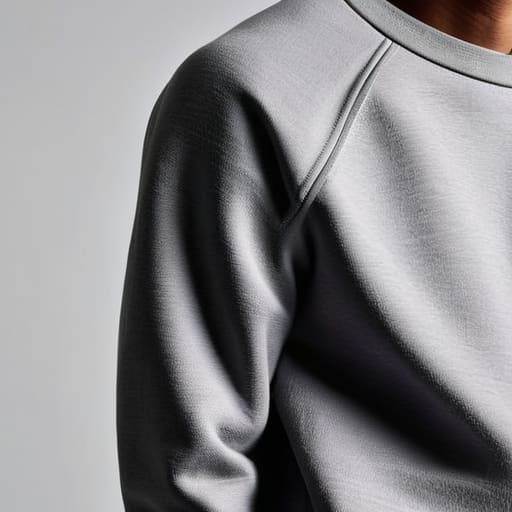
Here’s the thing: you can spend a fortune on a heavy 400 GSM French Terry, but if the arm length to torso ratio is totally skewed, the whole piece is going to look like a costume rather than a garment. I’ve seen so many streetwear brands try to chase that “oversized” look by just scaling everything up, but they end up with sleeves that swallow the hands and a hem that hits mid-thigh. That’s not a silhouette; that’s just bad math. To get it right, you have to balance the weight of the fabric against where the sleeve actually ends.
When I’m pattern cutting, I’m obsessed with how the clothing silhouette proportions shift depending on where that sleeve break happens. If you’re aiming for a boxy, cropped fit, your sleeve length needs to be intentional—usually slightly longer to compensate for the shorter torso—otherwise, you just look like you’re wearing clothes that shrunk in the wash. It’s a delicate dance between the drop shoulder and the actual cuff placement. If you miss the mark, you lose that intentional drape that separates a high-end piece from a cheap blank.
The Real Cost of Incorrect Clothing Silhouette Proportions

When you mess up the clothing silhouette proportions, you aren’t just making a “fashion choice”—you’re basically sabotaging the entire garment’s architecture. I’ve seen so many brands try to chase that oversized streetwear aesthetic, but they get it wrong by ignoring the actual weight of the fabric. If the sleeve is too long and the torso is too short, the garment doesn’t “drape”; it just collapses. You end up with this awkward, bunchy mess around the elbows that makes even a heavy 400 GSM fleece look like it was cut from a scrap bin.
It’s a massive waste of resources, too. When the arm length to torso ratio is completely skewed, the piece becomes unwearable for most people, which means it’s destined for a landfill instead of a wardrobe. I always tell people that if you aren’t paying attention to the correct shirt sleeve placement relative to the shoulder seam, you’re just printing expensive rags. You can have the most incredible screen print in the world, but if the silhouette is broken, no one is going to care about the art.
My Cheat Sheet for Not Making Your Garment Look Like a Costume
- Watch the bicep width—if the sleeve is too wide and the length is too long, you aren’t making a “relaxed fit,” you’re making a shape that swallows the wearer and makes the whole silhouette look sloppy.
- Respect the elbow break; a sleeve that hits mid-forearm looks intentional and high-end, but one that ends right at the elbow crease is a dead zone that makes the arms look short and awkward.
- Don’t ignore the shoulder seam drop; if you’re doing a dropped shoulder, you have to compensate by shortening the sleeve slightly, otherwise, the fabric just bunches up at the wrist in a way that feels cheap.
- Check your sleeve opening diameter—a sleeve that’s too wide makes a heavy GSM fabric drape like a bell, while a slightly tapered opening keeps the structure of the arm looking sharp even in oversized pieces.
- Test the drape with a heavy wash; I’ve seen so many “perfect” proportions ruined because the manufacturer used a cheap blank that shrinks unevenly, turning a perfect sleeve length into a high-water disaster after one cycle.
The Bottom Line on Getting the Silhouette Right
Stop chasing “oversized” trends blindly; if the sleeve hits too far past the elbow without a corresponding increase in torso length, you aren’t making streetwear, you’re making a costume that looks like it’s swallowing the wearer.
Always prioritize the relationship between the shoulder seam and the sleeve length, because a dropped shoulder only works if the drape follows through the arm—otherwise, you’re just left with bunching fabric that screams “cheap construction.”
Invest your budget into the weight and structure of your blanks, because a flimsy, low-GSM fabric will never hold the intentional proportions you’ve spent weeks perfecting in your patterns.
Frequently Asked Questions
How much does the weight of the fabric (GSM) actually change how a sleeve should hang or be cut?
GSM isn’t just a number on a spec sheet; it’s the literal physics of your silhouette. If you’re working with a heavy 300+ GSM fleece, the sleeve is going to hold its own shape, almost like architecture. You can get away with a wider, boxier cut because the fabric won’t collapse. But with a lightweight 140 GSM jersey? That fabric is going to drape and cling. If your sleeve pattern is too wide there, it just looks limp and sad.
If I’m designing a boxy streetwear fit, how do I stop the sleeves from looking like a costume?
The trick is the elbow rule. If you’re going for that heavy, boxy silhouette, the sleeve needs to hit right at the mid-bicep or just above the elbow. If it hangs too low, you look like you’re wearing a costume from a low-budget sci-fi flick. You have to balance the width of the torso with a slightly wider sleeve opening. If the sleeve is too narrow compared to the body, it just looks awkward and unfinished.
Is it better to aim for a standard sleeve length or should I be adjusting the armhole height to fix a bad silhouette?
Honestly? Don’t just chase a standard sleeve length to hide a mess. If your silhouette looks wonky, the armhole is usually your culprit. If the armhole is too low, you get that awkward, heavy bunching that makes a premium heavy-weight tee look like a sack. I’d rather fight for a higher, tighter armhole—it gives you way more range of motion and keeps the drape clean. Fix the architecture first, then worry about the length.