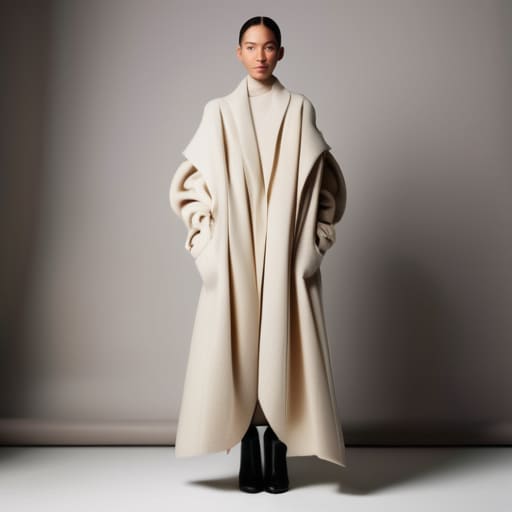
I remember standing in a cramped shared studio last year, staring at a pile of “premium” heavyweights that I’d just finished printing. I had tried sizing up for oversized looks with a new batch of blanks, thinking a simple size jump would give me that perfect, boxy streetwear silhouette. Instead, I ended up with a mess of limp, sagging fabric that looked less like high fashion and more like I was wearing a deflated bouncy castle. It turns out, if you don’t understand how the weight of the fabric interacts with the pattern, you aren’t getting an oversized fit—you’re just wearing clothes that are too big for your body.
I’m not here to sell you on some “aesthetic” or tell you which brand is currently trending on TikTok. I want to talk about the actual mechanics of why a garment holds its shape or falls apart. I’m going to break down why the GSM and the cut matter way more than just clicking “XL” in your shopping cart. We’re going to look at how to actually achieve that structured, intentional drape without wasting your money on low-quality junk that loses its shape after two washes.
Baggy vs Oversized Fit It Is About Structure Not Volume
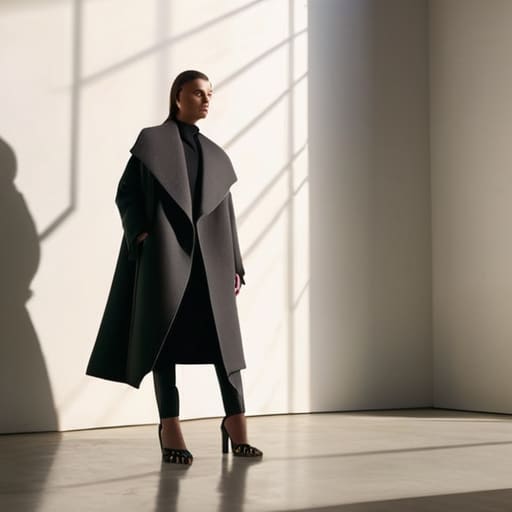
Here is the difference between looking like you’re drowning in fabric and actually having an intentional silhouette styling. When people talk about the baggy vs oversized fit, they usually just mean “buy something too big,” but that’s a recipe for looking sloppy. Baggy clothes are just large; they lack direction and usually hang off your frame in a way that feels accidental. An oversized fit, however, is engineered. It’s about where the shoulder seam actually sits and how the weight of the fabric holds its shape.
If you’re trying to master balancing proportions in fashion, you have to look at the architecture of the garment. A high-GSM heavy cotton tee will hold a boxy, structured shape that creates a deliberate aesthetic, even if it’s massive. Meanwhile, a thin, low-quality shirt will just collapse against your body, losing that architectural edge. If the fabric doesn’t have enough substance to support the extra volume, you aren’t wearing an oversized look—you’re just wearing a shirt that doesn’t fit.
Why Poor Seam Allowance Ruins Your Intentional Silhouette Styling
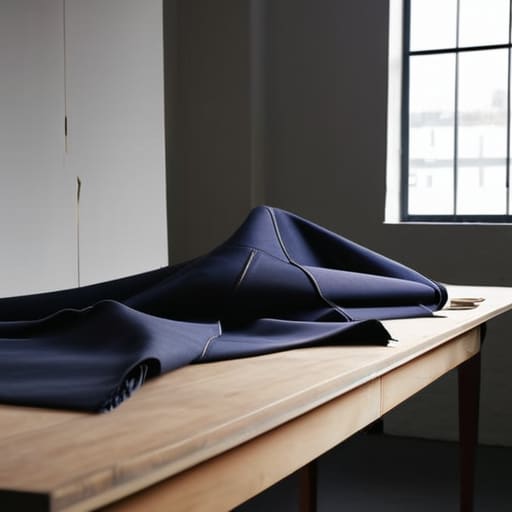
Here is the problem with most fast-fashion “oversized” pieces: they aren’t actually designed with a larger pattern; they’re just cut wider with zero regard for the architecture of the garment. When I’m pattern cutting, I’m obsessing over the seam allowance because that’s what holds the shape together. If a brand skimps on that extra fabric inside the seams to save a few cents per unit, the garment loses its ability to hold a line. You might think you’re achieving intentional silhouette styling, but instead, the weight of the fabric just pulls the seams inward, causing the whole thing to collapse toward your body.
This is exactly where people trip up when they try to master proportional dressing techniques. You can buy the biggest size available, but if the seam construction is flimsy, the garment won’t drape—it will just sag. A well-made piece uses reinforced seams to ensure that the extra volume stays where the designer intended, creating that sharp, structured look rather than looking like you’re just drowning in unshaped cloth.
Stop Guessing and Start Looking at the Specs
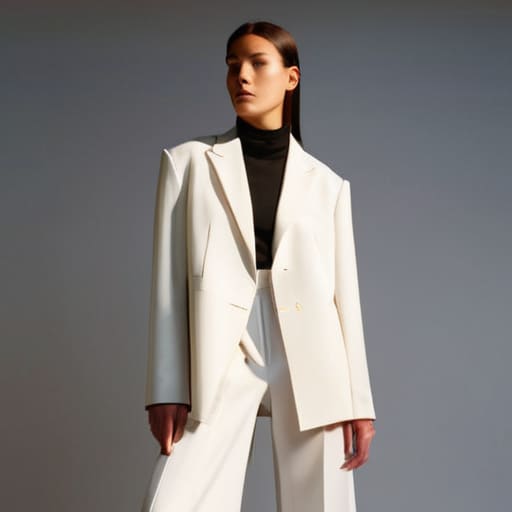
- Check the GSM before you buy. If you’re sizing up a flimsy 140 GSM tee to get that “oversized” look, you aren’t going to get a shape—you’re just going to look like you’re wearing a wet paper bag. You need heavy-weight fabric (think 250+ GSM) to actually hold that intentional, boxy silhouette.
- Look at the shoulder seam, not just the chest width. A true oversized fit usually features a dropped shoulder, but if the seam is just sitting halfway down your bicep because the garment was poorly drafted, it’s going to look sloppy rather than stylistic.
- Mind the sleeve length vs. the sleeve width. When you size up, the sleeves get longer, but if the armhole isn’t cut deep enough, you’ll end up with this weird bunching under your armpits that kills the whole vibe.
- Don’t forget the neck ribbing. A lot of brands use cheap, thin ribbing on their blanks. When you size up for a baggy fit, a flimsy neck rib will stretch out and look like a saggy mess after two washes, making the whole outfit look unkempt.
- Scale your proportions, don’t just scale the size. If you’re wearing an oversized heavy hoodie, don’t pair it with skin-tight, low-quality leggings. You need a bit of weight or structure in your lower half to balance the visual mass, or you’ll just look swallowed by your clothes.
The Cheat Sheet for Not Looking Like You’re Wearing a Tent
Stop chasing the trend and start checking the GSM; if the fabric is too thin, “oversized” just looks like you’re drowning in cheap, limp cotton.
Size up for the silhouette, not just the width—look for garments with enough weight to hold their own shape so the fabric actually follows your intent.
Inspect the seams before you buy; if the seam allowance is tiny, that extra volume is going to pull at the stress points and ruin the drape within three washes.
Frequently Asked Questions
If I'm buying a heavyweight blank to get that structured look, should I still size up, or will the GSM do the heavy lifting for me?
Honestly, don’t just blindly size up. If you’ve actually found a high-GSM heavyweight blank, the fabric is going to do most of the structural work for you. A heavy cotton holds its own shape rather than just draping like a wet towel. I usually recommend sticking to your true size first; if the weight is right, you’ll get that intentional, boxy silhouette without looking like you’re wearing a tent.
How can I tell if a shirt is actually designed to be oversized versus just being poorly patterned with dropped shoulders?
Flip the shirt inside out—that’s my first move—and look at the shoulder seam. In a real oversized cut, the seam is intentionally dropped, but the armhole is usually deeper to prevent that weird bunching under the arm. If the torso is massive but the sleeves look like they’re just sagging from a misplaced seam, it’s just a bad pattern. A good oversized piece feels intentional in its proportions, not just like you’re wearing your older sibling’s hand-me-downs.
Will sizing up to get more volume mess up the way the collar sits, or is that just a problem with cheap, low-quality necklines?
It’s a bit of both, honestly. If you size up in a cheap, flimsy tee, that neckline is going to surrender immediately—it’ll go wavy and bacon-like because the ribbing lacks the tension to hold its shape against the extra fabric weight. But even with a high-quality blank, a massive jump in size can shift the collar way too far down your collarbone. You want structure, not a collar that’s constantly migrating.