I was sitting in my shared studio last Tuesday, staring at a pile of “premium” heavy-weight blanks that had basically turned into glorified rags after just three cycles in a high-heat wash. It’s infuriating. People spend a fortune on high-GSM cotton, thinking they’re investing in quality, only to treat their clothes like they’re something to be sanitized into oblivion every single time they wear them. We’ve been conditioned to think a garment isn’t “clean” unless it’s been beaten against a drum with aggressive detergents, but honestly, that’s just a fast track to destroying the very fibers you paid for. If you actually want your gear to age with character rather than just falling apart, you need to get comfortable with the concept of washing less and airing more.
I’m not here to give you some vague, lifestyle-blogger advice about “mindful consumption.” I’m going to tell you exactly how to handle your textiles based on what I see happening on my own cutting table. We’re going to talk about the real physics of fiber degradation and why a simple breeze is often better than a heavy cycle. No hype, no expensive eco-friendly gimmicks—just the technical reality of how to keep your clothes looking intentional instead of just worn out.
Textile Preservation Tips for High Gsm Staples
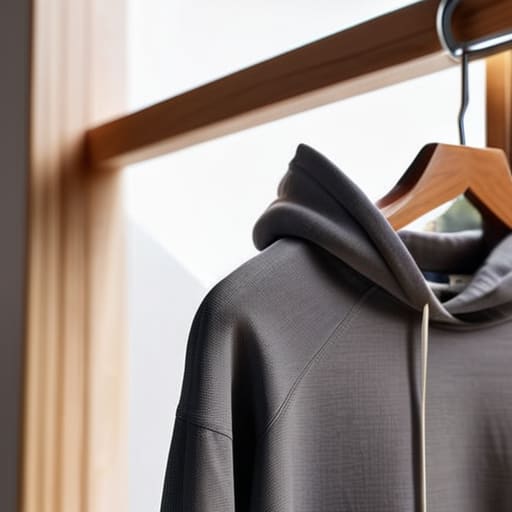
If you’ve spent any decent money on a heavy-duty, 400 GSM hoodie, the worst thing you can do is treat it like a gym rag. High-density cotton is a beast, but it’s also prone to losing its structural integrity if you’re constantly agitating those thick fibers. One of my favorite textile preservation tips is to stop using liquid fabric softeners entirely. They work by coating the fibers in a waxy film that actually traps bacteria and dead skin cells inside the weave, which is exactly why your “clean” shirt starts smelling funky after two hours.
Instead, lean into natural odor removal by hanging your gear near an open window or even outside if the air is crisp. A quick blast of fresh air does more for a heavy blank than a lukewarm wash cycle ever could. If you absolutely have to clean it, turn the garment inside out to protect the face of the fabric and use the coldest setting possible. It’s about extending clothing lifespan through actual logic, not just buying more stuff when your old favorites lose their shape.
Natural Odor Removal Without the Agitation
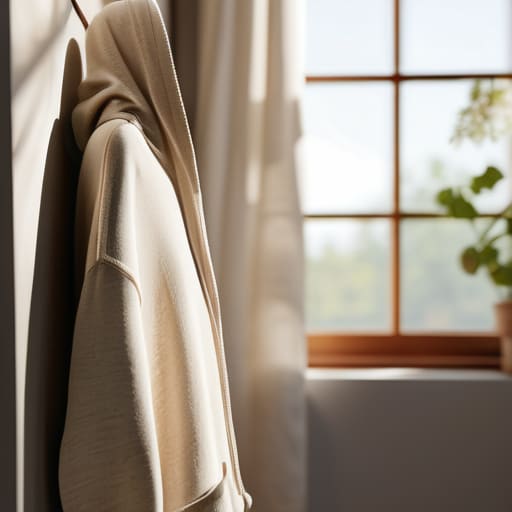
Look, I get it. You’ve worn a heavy cotton hoodie for six hours, and now it smells like a gym locker. Your instinct is to chuck it straight into the machine, but that’s exactly how you kill the structure of a good blank. Constant agitation and detergent buildup are the fastest ways to make a high-quality garment feel limp and lifeless. If you’re serious about extending clothing lifespan, you need to stop treating every minor scent like a laundry emergency.
Instead of a full cycle, try some actual fabric care techniques that don’t involve a spin cycle. If a shirt just smells a bit “lived-in,” hang it near an open window or outside in the shade. The airflow does most of the heavy lifting for natural odor removal without stripping the fibers. If things are feeling a bit more intense, a quick mist of a DIY vodka spray—seriously, just cheap vodka in a spray bottle—can neutralize bacteria on contact. It sounds weird, but it works, and it’s way better for your gear than beating the life out of it in a heavy wash.
The "Don't Ruin My Hard Work" Cheat Sheet

- Spot clean the real mess instead of submerging the whole piece; if you dropped some sauce on a heavy cotton tee, just grab a damp cloth and some mild soap rather than tossing the whole garment into a chemical bath.
- Invest in a decent steamer to kill bacteria and shake out wrinkles; heat is your friend for sanitizing, but the aggressive agitation of a washing machine is what actually shreds your fibers over time.
- Use a dedicated drying rack instead of the dryer’s heat cycle; that high-heat tumble is basically a slow death sentence for the shape of your garments and the integrity of the print.
- Hang your gear near an open window or in a breezy spot after you’ve worn it; letting the fabric breathe for a few hours helps the fibers recover and prevents that “worn” smell from setting in.
- Rotate your rotation; if you have a solid collection of blanks, don’t wear the same heavy hoodie three days in a row—give the textile time to actually decompress and dry out naturally between wears.
The Bottom Line for Your Wardrobe
Stop treating every single wear like a laundry emergency; if it doesn’t smell and isn’t visibly dirty, just hang it up and let the fibers breathe.
Protect your investment by ditching the high-heat dryer, because nothing kills the structural integrity of a heavy-weight tee faster than mechanical agitation and extreme heat.
Focus on spot cleaning and airing out instead of a full soak every time, because every unnecessary wash cycle is just a slow way of wearing down your seam allowances.
Frequently Asked Questions
If I'm skipping the wash, how do I actually deal with sweat stains or actual dirt without ruining the fabric?
Look, if you’ve actually spilled something or hit a sweat patch, don’t just ignore it—that’s how bacteria sets in. Grab a soft microfiber cloth and some lukewarm water with a tiny bit of pH-neutral detergent. Dab, don’t rub. Rubbing just pushes the grit deeper into the weave. For stubborn spots, a gentle spot-clean is your best friend. It keeps the integrity of the fibers intact without subjecting the whole garment to a heavy agitation cycle.
Does airing out my gear actually kill bacteria, or am I just letting it sit there and get funky?
Look, I get it. It feels a bit like you’re just letting your clothes rot in a corner. But here’s the reality: air drying doesn’t “kill” bacteria like a bleach soak does, but it stops the cycle. Most of that “stink” comes from moisture trapped in the fibers, which creates a buffet for microbes. By airing them out, you’re drying the environment they need to thrive. It’s about management, not magic.
Is there a limit to how many times I can "air out" a heavy cotton tee before it's officially time for a full cycle?
Look, there’s no magic number, but you’ll know when you’ve hit the limit. If you’re airing out a heavy 300 GSM tee and you still catch a whiff of “human” when you get close, the fibers are holding onto stuff that air alone won’t touch. Once the fabric starts feeling a bit stiff or heavy with actual grime rather than just being “crisp,” stop playing games and give it a proper, gentle wash.