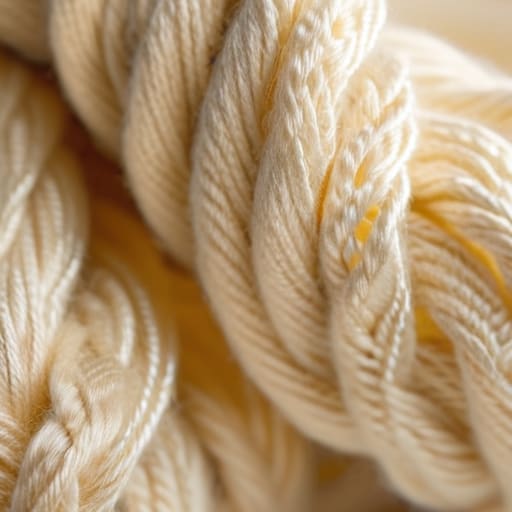
I remember sitting on a cold studio floor three years ago, staring at a “premium” sweater that cost me more than my monthly rent, only to realize the moment I touched it that the fiber was absolute garbage. It was scratchy, thin, and felt more like plastic than protein. It’s infuriating how brands use vague buzzwords to hide the fact that they’re selling you low-grade scraps. Most people think they’re buying quality, but they’re actually just paying a massive markup for a label. If you want to actually know what you’re putting on your body, you have to look past the aesthetic and get real about wool types and their uses before you hand over your hard-earned cash.
I’m not here to sell you on a lifestyle or tell you which wool is “trending” on TikTok. I’m here to talk about micron counts, crimp, and why a specific fiber will either drape beautifully or turn into a pilled mess after two wears. We’re going to strip away the marketing fluff and look at the actual construction of these fibers. By the end of this, you’ll know exactly which wool belongs in your wardrobe and which ones are just expensive mistakes.
Why Wool Micron Count Explained Matters for Skin Comfort
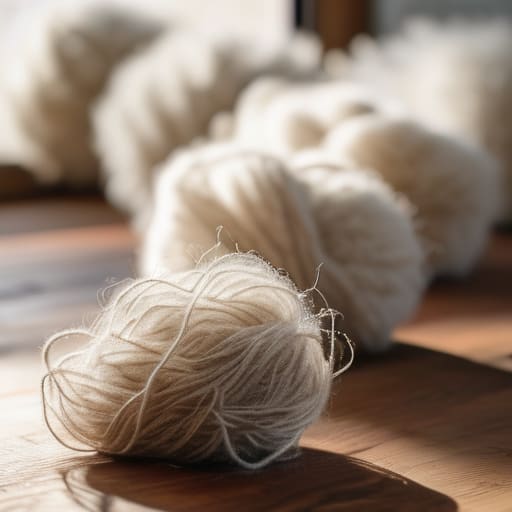
If you’ve ever put on a sweater and felt like you were being poked by a thousand tiny needles, you haven’t necessarily encountered “bad” wool—you’ve just encountered a high micron count. In my studio, I’m constantly looking at the structural integrity of a knit, but I’m also thinking about the person actually wearing it. The wool micron count explained is essentially just a measurement of the diameter of a single fiber. The lower that number, the finer and softer the fiber feels against your skin. When the fibers are thick and coarse, they don’t bend easily when they touch your skin; instead, they poke the nerve endings, which is that classic “itch” we all dread.
This is where you see the massive difference between merino and lambswool. Merino is the gold standard for comfort because it stays in that ultra-fine range, making it perfect for base layers that sit directly against your body. On the flip side, thicker wools are incredible for heavy outerwear where you care more about wool garment durability and wind resistance than skin-contact softness. Understanding this distinction means you stop buying based on a “soft” label and start looking at the actual specs of the fiber.
The Real Difference Between Merino and Lambswool
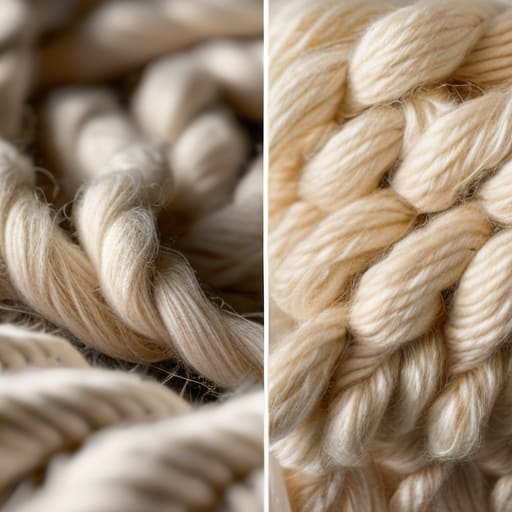
Look, if you’ve ever pulled on a sweater that felt like it was trying to exfoliate your skin, you’ve likely been a victim of low-grade lambswool. People often use these terms interchangeably, but in the studio, the distinction is everything. Lambswool comes from the first shearing of a sheep; it’s generally thicker and has a much higher micron count, which is why it can feel a bit scratchy against your neck. It’s great for heavy-duty knits or rugs, but if you’re looking for a base layer, it’s usually a hard pass for me.
Merino, on the other hand, is the gold standard for anyone who actually wants to wear their clothes. Because the fibers are significantly finer, the difference between merino and lambswool becomes immediately obvious the second you touch them. Merino has those incredible natural fiber properties that allow it to breathe and regulate temperature without that “itch factor.” While lambswool is fine for a chunky, rustic cardigan that stays in the house, Merino is what you want for high-performance, everyday pieces that actually feel good against your skin.
Stop buying wool blindly: 5 things to check before you drop your cash
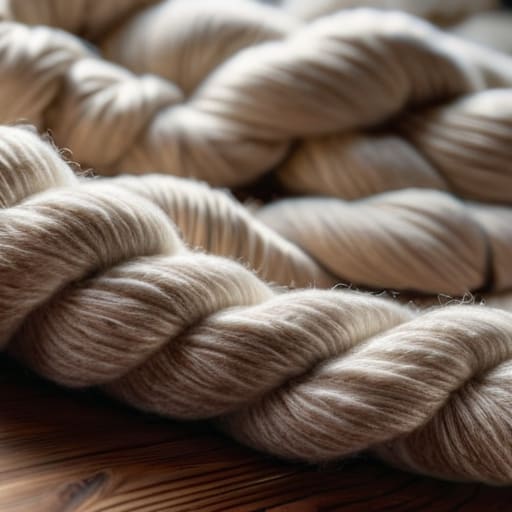
- Check the micron count, not just the label; if you’re buying a base layer that’s supposed to sit against your skin and the micron count is too high, you’re going to spend the whole day itching.
- Look at the weave density; a loose, airy knit might look cozy in a studio photo, but it’ll lose its shape faster than a cheap screen-printed tee if the tension isn’t there.
- Don’t get tricked by “wool blends” that are actually 80% polyester; if the synthetic percentage is too high, you’re losing all the natural thermoregulation that makes wool worth the premium in the first place.
- Evaluate the seam construction; even the best merino wool is wasted if the garment is put together with cheap, bulky overlock stitching that creates friction points against the fiber.
- Consider the weight (GSM) for the specific use case; don’t try to use a heavy, rugged boiled wool for a lightweight summer layer just because it looks “vintage”—you’ll overheat and regret it.
The stuff you actually need to remember
Stop chasing “softness” as a marketing buzzword; look at the micron count instead, because that’s the only way you’ll know if a sweater is going to feel like a cloud or a cactus against your skin.
Don’t buy into the idea that all wool is created equal—merino is your go-to for technical layers and comfort, while lambswool is better suited for those chunky, structural pieces that actually need to hold their shape.
High-quality wool isn’t just about the feel; it’s about the longevity of the fiber, so understanding the source helps you avoid wasting money on garments that will pill and lose their structure after a single season.
Frequently Asked Questions
If I’m looking for a heavy-duty workwear piece, should I be looking for high GSM or does the specific fiber type matter more for durability?
It’s a bit of both, but don’t let a high GSM fool you into thinking a garment is indestructible. A heavy 500 GSM sweater can still fall apart if it’s made from short, weak fibers that pill and thin out instantly. For actual workwear, I look for long-staple fibers—that’s the stuff that stays anchored. You want high density and fiber length. If the structure is trash, all that weight just feels like a heavy, useless blanket.
How can I tell if a "wool blend" is actually decent quality or if they're just padding out a cheap garment with a bunch of low-grade synthetics?
Honestly, the easiest way to tell is to stop looking at the “wool” label and start looking at the percentage of synthetics. If it’s more than 20% polyester or acrylic, you’re basically wearing plastic that’s just pretending to be warm. Check the drape, too; if it feels suspiciously springy or has a weird, oily sheen under the light, they’ve padded it out to save on costs. Real wool has a specific, honest weight.
Does the way a wool garment is constructed—like the seam allowance or the knit tension—affect how much it's going to pill over time?
Absolutely. If the knit tension is too loose, you’re basically inviting friction to pull those fibers into little fuzz balls immediately. It’s not just about the fiber; it’s about how tight the structure holds. Also, watch those seams. If the seam allowance is skimpy or the stitching is pulling too hard against the knit, it creates tension points that accelerate pilling. A well-constructed garment manages stress; a cheap one just lets the fibers wander.