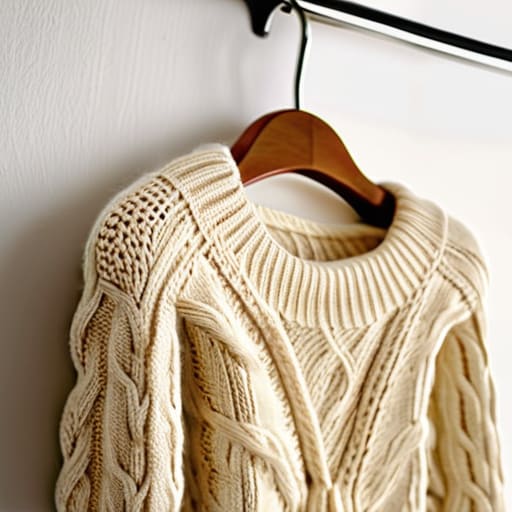
I was staring at a stack of 400gsm heavyweight blanks in my studio last week, and all I could think about was how much money people throw away by following bad advice. I see these “closet organization” influencers treating every single piece of fabric like it’s some delicate heirloom that needs a silk hanger, and honestly, it’s exhausting. The truth about folding versus hanging isn’t about aesthetics or making your closet look like a Pinterest board; it’s about the structural integrity of the fiber. If you’ve ever pulled a vintage band tee out of your drawer only to find the neckline has stretched into a shapeless mess, you’ve already lost the battle.
I’m not here to sell you on a specific brand of cedar hangers or a fancy drawer divider system. Instead, I’m going to give you the actual physics of how weight and tension affect different textiles. We’re going to talk about when a heavy knit deserves a flat surface and when a structured blazer actually needs the support of a hanger. My goal is to help you understand the construction of your clothes so you can stop fighting your wardrobe and start making your pieces last.
Preventing Fabric Stretching in High Gsm Blanks
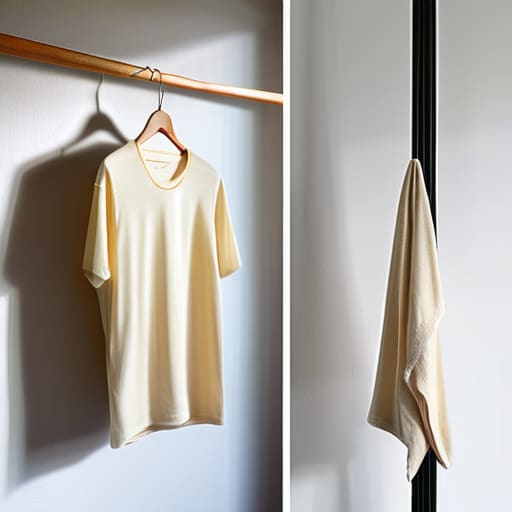
If you’ve spent any time sourcing heavy-weight blanks, you know that high GSM (grams per square meter) is a double-edged sword. That thick, structured feel is exactly why we love it, but that extra weight is also a literal gravity trap. When you hang a heavy-duty cotton tee or a thick fleece, the weight of the fabric pulls downward on the shoulder seams. Over time, you’ll see those dreaded “hanger bumps” or notice the neckline starting to sag and lose its tension. Preventing fabric stretching isn’t just about being neat; it’s about fighting physics.
For anything over 300 GSM, I’m a firm believer that you need to ditch the hangers entirely. Instead, I treat my heavy knits and thick streetwear pieces like precious cargo. Using proper sweater storage solutions—like flat, breathable bins or even just a neat stack on a shelf—is the only way to ensure you aren’t accidentally ruining the drape of a piece you paid a premium for. If you insist on hanging, at least use wide, padded hangers to distribute that weight, but honestly? Just fold them. Your shoulder seams will thank you.
Hanger vs Folding Pros and Cons for Longevity
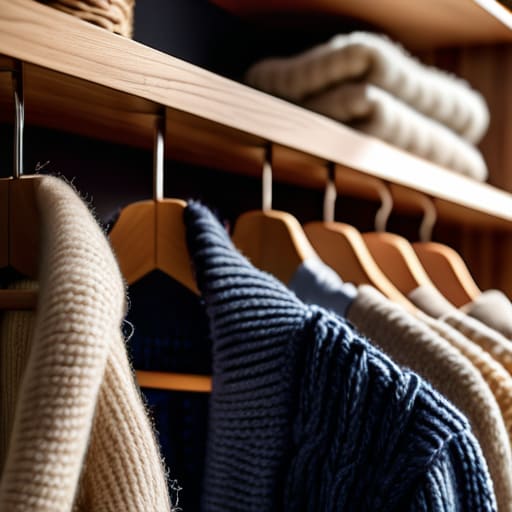
When you’re weighing the hanger vs folding pros and cons, you have to look at the actual weight of the fiber. Hanging is great for structured pieces—think denim jackets or heavy canvas workwear that needs to hold its silhouette. But if you throw a heavy-knit sweater on a standard wire hanger, you’re basically inviting gravity to do its worst. Those little bumps on the shoulders? That’s permanent damage. For anything knit, you need better sweater storage solutions, like a flat shelf or a drawer, to keep the weight from pulling the neck out of shape.
On the flip side, folding is your best friend for preserving clothing shape in anything with a bit of drape or significant weight. I’ve seen too many high-end, heavy-weight blanks ruined because someone thought hanging them was “cleaner” for their closet organization tips. If you want to master proper garment care techniques, treat your heavy cottons like they’re precious. Fold them loosely to avoid those deep, stubborn crease lines that make a garment look cheap and neglected. It’s more work, sure, but it’s the only way to ensure the piece actually lasts.
How to actually handle your stock without ruining the drape
- If you’re working with heavy-weight French Terry or anything over 300 GSM, stop reaching for the hangers immediately; the weight of the fabric will eventually pull the shoulder seams into these weird, permanent little bumps that no amount of steaming will ever fix.
- For your lightweight jersey tees or anything with a bit of elastane, folding is your best friend because it keeps the silhouette tight and prevents that “stretched out neck” look that happens when gravity does its thing in a crowded closet.
- If you absolutely have to hang something—like a structured denim jacket or a heavy canvas work shirt—use wide, padded hangers; those cheap wire ones from the dry cleaners are basically tiny saws that will slice right through your shoulder structure over time.
- When folding, don’t just stuff things into a drawer; use a flat surface to smooth out the seams as you go, because if you trap a heavy seam under a fold, you’re going to end up with a permanent crease line that makes a premium blank look like a cheap thrift find.
- Always check your seam allowances before you decide how to store a piece; if a garment has raw edges or delicate overlock stitching, folding it flat is way safer than hanging it, which can cause the edges to warp or “wave” as they pull downward.
The Cheat Sheet: When to Fold and When to Hang
If you’re working with heavy-weight, high-GSM blanks—think those chunky 300+ GSM hoodies or structured tees—fold them. Gravity is your enemy here; hanging them just turns a nice boxy fit into a stretched-out mess with permanent shoulder bumps.
Reserve your hangers for lightweight stuff like linen shirts or thin summer knits that need airflow, but even then, use wide, padded hangers. Avoid those cheap wire ones from the dry cleaners; they’re basically torture devices for delicate fibers.
When in doubt, fold. It’s much easier to fix a crease from a stack of shirts than it is to fix a garment that’s been structurally compromised by hanging it the wrong way for six months.
Frequently Asked Questions
What's the deal with those cheap wire hangers—are they actually killing my vintage tees?
Honestly, they’re a nightmare. Those thin wire hangers are basically tiny torture devices for your clothes. Because they have zero structural integrity, they concentrate all the weight of the garment onto two tiny points at the shoulders. For a vintage tee—especially one with a bit of age and softened fibers—that’s a recipe for those permanent, ugly “hanger bumps” that ruin the silhouette. If you’re using wire, you’re basically paying for the privilege of stretching out your necklines.
If I have a limited amount of shelf space, is there a way to stack heavy knits without them getting that weird, crushed look?
Look, I get it—shelf space is a nightmare when you’re dealing with bulky pieces. If you’re stuck stacking, stop doing those tight, vertical piles. That’s exactly how you get those permanent, crushed-looking ridges in the knit. Instead, try the “file folding” method where they stand upright, or just alternate the direction of each layer. It breaks up the pressure points so the fibers don’t just collapse under their own weight.
Does it actually matter if I fold my garments along the seam lines, or am I just overthinking the geometry of it?
You’re not overthinking it; you’re actually thinking about the physics of the fiber. If you fold haphazardly, you’re creating “memory” in the fabric at random points, which eventually turns into permanent, unsightly creases. Folding along the seam lines—specifically where the fabric is already reinforced—distributes the tension more evenly. It keeps the silhouette clean and prevents those weird, diagonal stress wrinkles that make a high-quality blank look like a cheap thrift store find.