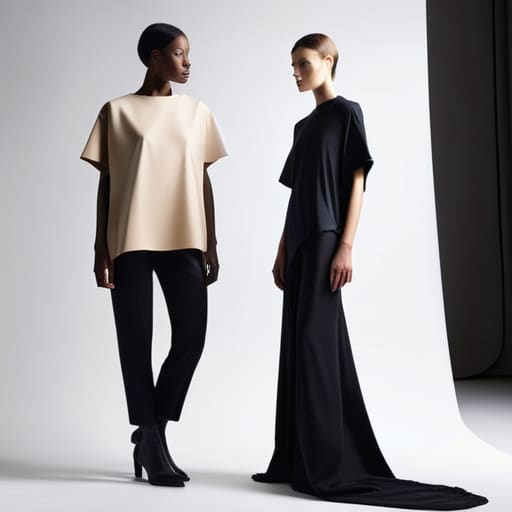
I was staring at a stack of “premium” streetwear blanks last week, and honestly, I almost threw them across the studio. Every brand is screaming about how their new drop features the perfect silhouette, but they’re just using buzzwords to hide mediocre construction. They’ll sell you on the aesthetic of boxy versus fitted cuts without ever mentioning that a boxy cut on a low-GSM fabric is just a recipe for a shapeless, limp rag that loses its structure after one wash. It’s all marketing fluff designed to make you ignore the fact that the actual architecture of the garment is falling apart.
I’m not here to tell you what’s trending on TikTok or which silhouette will make you look “aesthetic” for a photo dump. I want to talk about how fabric weight, shoulder drop, and seam tension actually dictate how a garment hangs on a human body. We’re going to strip away the hype and look at the real mechanics of how these shapes function. By the end of this, you’ll understand exactly how to choose a cut that actually respects the textile and holds its shape long after the trend cycle moves on.
How to Balance Proportions Without Sacrificing Fabric Integrity
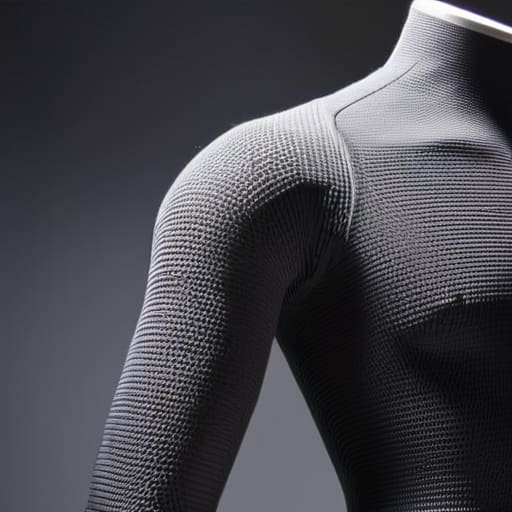
Here is the core issue: people see a massive, oversized silhouette on a mood board and think they can just scale up a standard pattern. You can’t. If you’re trying to master how to balance proportions while moving into heavier weights, you have to respect the physics of the cloth. When I’m working with a high GSM heavy jersey, the fabric has its own structural agenda. If you cut it too wide without adjusting the shoulder slope or the sleeve pitch, the garment won’t just look “relaxed”—it will look like it’s collapsing under its own weight.
The goal isn’t just to pick between oversized vs tailored clothing; it’s about finding the sweet spot where the garment holds its shape instead of swallowing the wearer. I always tell my clients to look at the tension points. Even in a loose fit, you need enough architecture in the neckband and the hem to prevent the piece from becoming a shapeless blob. If you ignore the relationship between the weight of the textile and the geometry of the cut, you aren’t designing a silhouette; you’re just making a sack.
The Real-World Checklist: How to Tell if a Cut is Actually Good
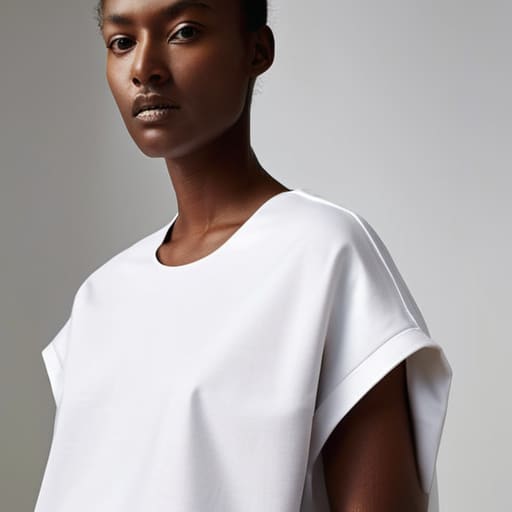
- Stop chasing the “oversized” look if you aren’t using high GSM fabric; a heavy, structured cotton can hold a boxy shape, but a thin, cheap blank will just collapse and make you look like you’re wearing a hand-me-down that doesn’t fit.
- Check the shoulder seam placement religiously—a boxy cut needs a dropped shoulder that actually feels intentional, whereas a poorly executed fitted cut will just pull across the chest and ruin the silhouette.
- Always look at the side seams; if you’re going for a fitted vibe, you need enough seam allowance to allow for slight shrinkage after the first wash, otherwise, that “perfect fit” becomes a crop top by month three.
- Don’t ignore the armhole depth; deep, wide armholes work for that relaxed streetwear aesthetic, but if you try to force that same deep cut into a slim-fit garment, you’re going to end up with massive, unsightly gaps under the arms.
- Test the drape by turning the garment inside out—I know, it’s my weird thing, but it’s the best way to see if the tension in the knit is consistent across the seams, which tells you if the cut will hold its shape or warp after a few wears.
The Bottom Line: Don't Let the Silhouette Lie to You

Stop chasing the “oversized” look if you’re working with low-GSM fabric; a heavy drape requires weight, or you’ll just end up with a garment that looks like a limp, shapeless rag.
Always prioritize the seam allowance and construction over the silhouette; a boxy cut is only as good as the structural integrity holding those wide shoulders together.
Build your brand around how a piece actually hangs on a body, not just how it looks in a flat-lay photo—true style is found in the way the fabric moves, not the trend it’s mimicking.
Frequently Asked Questions
If I go for a heavy, high-GSM boxy cut, how do I stop it from looking like a literal square on someone with a smaller frame?
That’s the classic heavy-weight struggle. If you’ve got a high GSM blank, it’s going to hold its own shape regardless of the body underneath. To stop it from looking like a cardboard box on a smaller frame, look at the shoulder seam and the neck rib. If the shoulder drop is too aggressive, you’re doomed. Aim for a slightly cropped length so it hits the hip rather than the thigh; it keeps the proportions from swallowing the person whole.
Is there a point where a fitted cut becomes "cheap" looking if the fabric weight isn't high enough to hold its shape?
Absolutely. There is a massive difference between a “slim fit” and a garment that just looks like it’s losing a fight with your body. If you’re running a low GSM, thin jersey in a fitted cut, it’s going to cling to every single imperfection and highlight every cheap seam. It ends up looking limp and disposable. A good fitted piece needs enough substance to actually skim the frame, rather than just hugging it like a second, sadder skin.
How much does the shoulder seam placement actually matter when I'm trying to decide between a drop-shoulder boxy look and a traditional slim fit?
It matters immensely. If you’re going for that heavy, drop-shoulder boxy vibe, the seam needs to fall intentionally past the deltoid; if it hits mid-arm without enough fabric weight, it just looks like you bought a size too big. But for a slim fit, that seam has to sit right on the acromion bone. If it’s even a centimeter off, the whole silhouette collapses and you lose that clean, structural line.