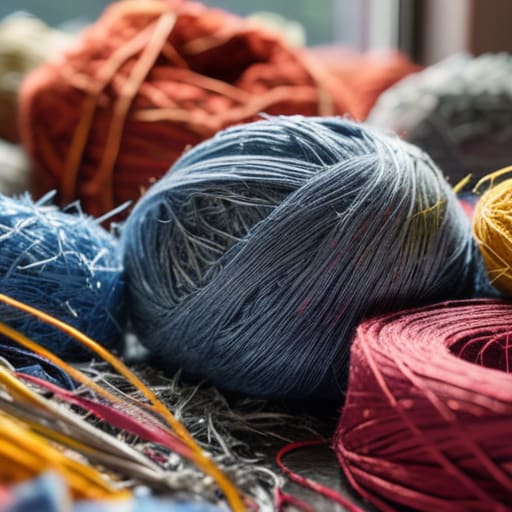
I was sitting on the floor of my shared studio last Tuesday, surrounded by a mountain of “donated” scraps that were supposed to be part of a circularity pilot program, and I just had to laugh. It’s the same old story: brands slap a green leaf on a hangtag and call it progress, but the actual textile recycling reality is that most of these shredded fibers are too short and weak to actually make anything decent. If you try to spin that low-grade junk into a new garment, you end up with a shirt that feels like cheap sandpaper and loses its shape before you’ve even finished the first wash cycle.
I’m not here to sell you on the fairy tale that throwing your old hoodies into a bin magically fixes the industry. Instead, I want to pull back the curtain on what actually happens to those fibers and why so many “recycled” collections are just expensive marketing fluff. I’m going to break down the technical side—the stuff they don’t tell you in the lookbooks—so you can actually tell the difference between a garment built to last and one designed to be recycled into garbage.
The Fast Fashion Environmental Impact No One Measures
Everyone loves to talk about the big numbers, like how many tons of clothes end up in landfills every year, but they rarely talk about the quality of what’s actually being tossed. When I’m looking at a pile of discarded garments, I don’t just see fabric; I see a massive failure in design. Most of these pieces are built with cheap, high-poly blends that are a nightmare for textile waste management challenges. Because the fibers are so tightly twisted together, separating them is a technical headache that most facilities just aren’t equipped to handle.
The real issue is that the industry is obsessed with volume over longevity. We’re churning out these low-GSM, flimsy basics that are designed to look good on a hanger for five minutes and then disintegrate. Even if we had perfect fiber-to-fiber recycling technology tomorrow, we’d still be stuck trying to process a mountain of “disposable” clothing that was never meant to survive a single season. We’re trying to solve a systemic production problem with a recycling band-aid, and frankly, it’s not working.
Textile Landfill Statistics That Should Keep You Up at Night
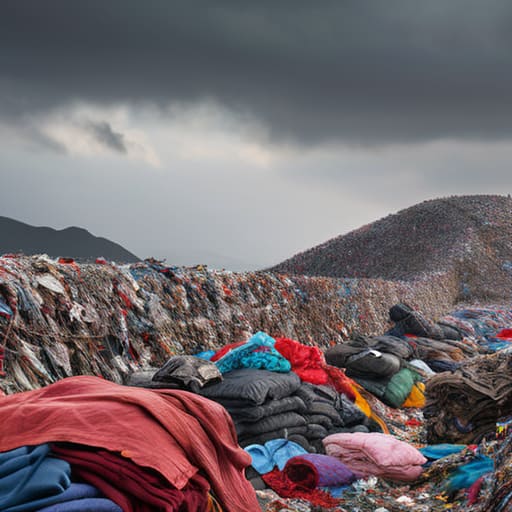
We love to talk about “sustainability” in big, sweeping terms, but the actual textile landfill statistics are honestly gut-wrenching. Every single second, the equivalent of one garbage truck full of clothes is burned or dumped in a landfill. It’s not just a few stray socks, either; we are talking about millions of tons of garments that were designed to be disposable. I’ve spent enough time in studios seeing how much fabric scraps are wasted during a single cutting session, so seeing that scale multiplied by the entire global industry is enough to make your stomach turn.
The real kicker is that most of this stuff isn’t even biodegradable. Because so much of what we wear is a cheap blend of polyester and cotton, we’re facing massive textile waste management challenges. You can’t just toss a poly-blend hoodie into a compost pile and hope for the best. These mixed fibers make it incredibly difficult for current fiber-to-fiber recycling technology to actually separate the materials and turn them into something useful again. Instead of a loop, we just have a straight line that ends in a massive, suffocating pile of synthetic trash.
How to actually spot the difference between recycling and greenwashing
- Stop trusting “recycled” labels blindly; if it’s a poly-cotton blend, it’s almost impossible to separate the fibers mechanically, which means it’s likely headed for a landfill anyway.
- Check the construction before you buy, because if a garment is held together by cheap overlock stitching and won’t survive a single repair, it’s not “sustainable” regardless of what the fabric says.
- Prioritize mono-materials like 100% organic cotton or 100% wool, because single-fiber pieces are actually much easier for industrial machines to break down and turn back into something useful.
- Learn to read the GSM (grams per square meter) to judge quality; a heavy, high-GSM blank is going to hold its shape through dozens of washes, whereas thin, flimsy “recycled” scraps are just trash in waiting.
- Treat your clothes like actual pieces of craft, not disposable content; the most eco-friendly thing you can do isn’t finding a recycling bin, it’s making sure you don’t need to use one in the first place.
The Real Cost of the "Circular" Myth
Stop falling for the “recyclable” label on cheap poly-blends; if a garment is made of a messy mix of fibers, it’s basically destined for a landfill regardless of what the tag says.
True sustainability isn’t found in a recycling bin, it’s found in the construction—high GSM fabrics and reinforced seams mean you aren’t replacing your wardrobe every three months.
We need to stop treating clothes like disposable paper plates and start demanding better manufacturing standards that prioritize durability over seasonal hype.
Frequently Asked Questions
If most of these clothes end up in landfills anyway, is there actually any point in me looking for the "recyclable" tag on a shirt?
Honestly? Most of the time, that tag is just a way for brands to soothe your conscience while they keep churning out junk. Unless the garment is 100% mono-material—like pure organic cotton with no elastane—it’s a nightmare to actually process. Most “recyclable” blends end up in the same landfill pile because the tech to separate them doesn’t exist at scale. Don’t hunt for tags; hunt for better construction and higher GSM.
Why does every "recycled" fabric I touch feel like literal sandpaper compared to the original?
It’s because most “recycled” fibers are essentially shredded remnants of previous garments, often a chaotic mix of cotton and polyester. When you mechanically tear those fibers apart to make new yarn, you’re destroying the natural length of the staple. Short fibers mean more ends sticking out of the yarn, which creates that scratchy, sandpaper texture. Unless they’re using high-end chemical recycling to rebuild the polymer, you’re basically just wearing glorified lint.
How can I tell if a brand is actually investing in circularity or if they're just using a tiny percentage of recycled polyester to greenwash their entire collection?
Look for the math, not the marketing. If a brand brags about a “recycled collection” but it’s only 5% rPET mixed with virgin nylon, they’re just window dressing. Real circularity means they’re designing for disassembly—think mono-materials and reinforced seams that actually hold up. Check their transparency reports: are they investing in take-back schemes and fiber-to-fiber recycling, or just slapping a green leaf icon on a polyester blend that’ll still end up in a landfill?