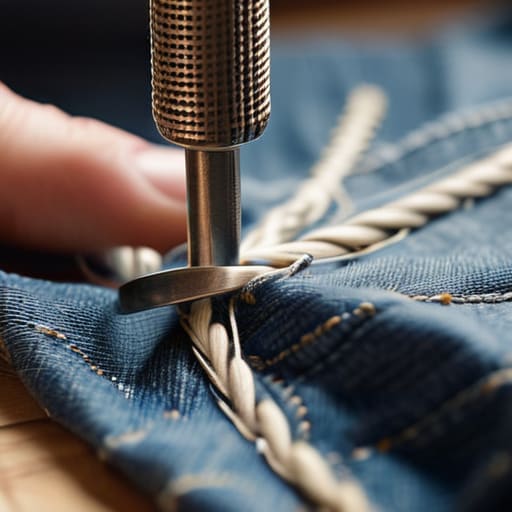
I was hunched over a heavy-duty Juki in my first shared studio space, surrounded by the smell of ozone and cheap polyester, trying to figure out why a “premium” heavyweight tee was literally disintegrating at the hem after just three washes. It’s infuriating how much the industry pushes this idea that once a stitch pops or a seam starts to fray, the piece is officially dead. We’ve been conditioned to treat clothes like single-use plastics, but honestly, repairing and extending garment life shouldn’t require a degree in textile engineering or a massive budget for “artisanal” mending kits.
I’m not here to sell you on some aesthetic “visible mending” trend that looks more like a craft project than actual structural reinforcement. Instead, I want to talk about the real mechanics of keeping your kit in rotation. I’m going to walk you through how to actually stabilize a failing seam and why understanding your fabric weight is the secret to making a fix that actually holds. We’re skipping the hype and focusing on the structural integrity that keeps your favorite pieces from ending up in a landfill.
Why Fabric Care and Preservation Beats Buying New
Look, I get the dopamine hit of a new drop. I really do. But after years of seeing “limited edition” blanks hit the landfill because the knit was trash to begin with, I’ve become a bit of a skeptic. Most people think the cycle of buying, wearing, and discarding is just how the industry works, but that’s just a lie designed to keep you spending. When you lean into sustainable wardrobe care, you aren’t just being “eco-friendly”—you’re actually reclaiming your money. Every time you choose to fix a snag instead of hitting ‘add to cart’ on a replacement, you’re winning against a system that thrives on planned obsolescence.
The truth is, the most radical thing you can do right now is keep what you already own in rotation. We talk a lot about the slow fashion movement, but for me, that’s less about an aesthetic and more about respecting the construction of a piece. If you know how to handle a heavy jersey or a delicate weave, you stop being a passive consumer and start being a curator. It’s about shifting your focus from what’s “new” to what’s actually durable.
Reducing Textile Waste Through Structural Integrity
When I first started in the studio, I realized that most “disposable” clothes aren’t actually bad because of the fabric—they’re bad because they were built to fail. Most fast fashion brands cut corners on the internal architecture to save a few cents per unit, meaning the garment loses its shape or falls apart at the stress points before you’ve even had a chance to wear it in. If we want to get serious about reducing textile waste, we have to stop looking at clothes as single-use items and start looking at them as assemblies of tension and weight.
A garment with high structural integrity—think reinforced seams and decent weight—is actually a tool for sustainable wardrobe care. When a piece is constructed properly, a small tear isn’t a death sentence; it’s just a minor detour. Instead of tossing a shirt because a seam popped, you can lean into visible mending aesthetics to turn a structural flaw into a design choice. It’s about moving away from the “replace it” mindset and actually respecting the way a garment is put together.
Stop Treating Your Clothes Like Disposables: 5 Ways to Actually Keep Them Alive
- Learn to read your seams. If a thread pulls or a stitch goes rogue, don’t just ignore it until the whole thing unravels; a quick reinforcement now saves you from having to toss the entire garment later.
- Ditch the high-heat dryer. I’m telling you, the heat is literally cooking the fibers and destroying the elasticity. Air drying is a chore, I get it, but your favorite heavy-weight cotton deserves better than being baked.
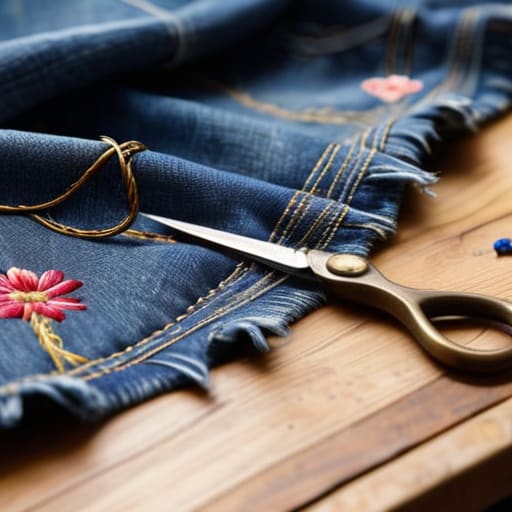
- Master the art of the visible mend. If you rip a pair of trousers, don’t try to hide it with a shitty, invisible stitch that looks like a mistake. Lean into it with some sashiko or heavy embroidery—make the repair part of the garment’s history.
- Wash less, spot clean more. Every time you throw a shirt in the machine, you’re causing micro-abrasions on the fabric. If it’s not actually dirty, just hit the spot with some mild soap and a damp cloth instead of a full cycle.
- Respect the weight. When you’re repairing something, match your thread weight to the fabric’s GSM. Using a flimsy thread on a heavy canvas jacket is a recipe for a failed repair that’ll just tear the fabric again.
## The Bottom Line: Stop Treating Clothes Like Disposables
Stop obsessing over the “vibe” and start looking at the construction; if the seam allowance is non-existent or the stitching is loose, no amount of patching is going to save it from the landfill.
High GSM isn’t just a flex for heavy-weight lovers—it actually means your garment has the structural density to survive a repair rather than just tearing further when you try to fix it.
Real sustainability isn’t a marketing buzzword on a hangtag; it’s the actual, boring work of washing your gear on cold and learning how to reinforce a stress point before it becomes a hole.
Frequently Asked Questions
If I've already messed up the shape of a heavy cotton tee with a bad patch, is it actually worth fixing or should I just retire it?
Honestly? It depends on how much the “ghost” of that patch bothers you. If the heavy cotton is puckering or the weight feels uneven, you’ve basically compromised the drape, and it might never hang right again. But if it’s just a visual eyesore, try darning it properly or using a heavy-duty sashiko stitch to lean into the repair. If the structural integrity is shot, retire it. Don’t force a garment to be something it isn’t.
How do I tell if a garment is even worth the effort of a repair based on how the seams were originally constructed?
Flip it inside out first—that’s where the truth is. If you see loose, single-needle stitching on a heavy garment, it’s probably a lost cause; one pull and the whole seam unspools. I look for overlocked edges or, ideally, flat-felled seams that actually lock the fabric in place. If the construction is cheap and flimsy, you’re just performing CPR on a corpse. Save your energy for pieces built with enough seam allowance to actually hold a mend.
What's the actual difference between a quick fix that'll fall apart in two washes and a repair that actually respects the garment's structure?
A quick fix is just a bandage; it’s a messy glue job or a loose thread that ignores how the fabric actually moves. It’s lazy, and it’ll pop the second you put it in the wash. A real repair works with the grain. It means matching your stitch tension to the GSM and reinforcing the stress points so the tension is distributed. If you aren’t respecting the seam allowance, you aren’t repairing—you’re just delaying the landfill.