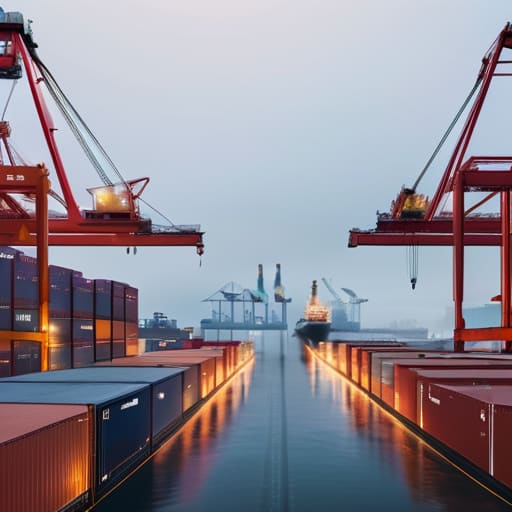
I still remember the first time I tried to scale my little shirt project by chasing the lowest possible unit cost. I was sitting on a floor covered in ink stains, staring at a sample that arrived from halfway across the world, and I felt completely played. It looked fine in the tiny, filtered photos, but the moment I actually felt the fabric, I knew I’d been sold a lie. The debate of overseas versus local production usually gets wrapped up in these massive, sweeping lectures about “global economics” or “supporting your community,” but that’s just marketing fluff that ignores the reality of the garment in your hands. People act like it’s a simple choice between cheap and ethical, when really, it’s a constant battle against mediocrity.
I’m not here to give you a lecture on macroeconomics or tell you which manufacturing hub is currently “trending” on TikTok. Instead, I’m going to pull back the curtain on what actually happens when you move from a local studio to a massive factory. We’re going to talk about the real stuff—the actual cost of a bad blank, the nightmare of managing quality control across time zones, and how to spot a supplier who’s actually worth your money.
Manufacturing Cost Analysis vs the Hidden Price of Bad Blanks

When you run a quick manufacturing cost analysis, the numbers usually look great on paper for overseas orders. You see a tiny unit price and think you’ve hit the jackpot. But that’s where the math gets messy. You aren’t just paying for the cotton; you’re paying for the logistics and shipping complexities that come with it. By the time you factor in the freight, the customs headaches, and the inevitable “oops” batch that arrives with uneven hemlines, that “cheap” shirt starts looking pretty expensive.
I’ve seen so many small labels get burned because they chased the lowest possible price point without considering the total cost of ownership. If you order 500 blanks from a factory halfway across the world and 15% of them have puckered seams or inconsistent GSM, your profit margin isn’t just shrinking—it’s evaporating. I’d much rather pay a premium for domestic manufacturing benefits where I can actually touch the fabric before it ships. At the end of the day, a bad blank isn’t just a mistake; it’s a drain on your brand’s soul.
Total Cost of Ownership Beyond the Initial Invoice
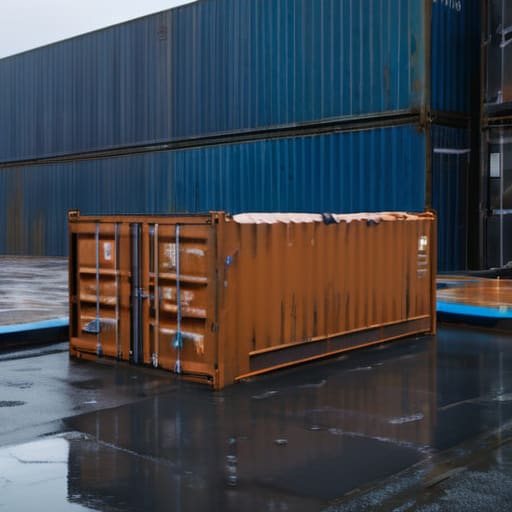
When you look at an invoice from a factory halfway across the world, you’re only seeing a tiny slice of the actual math. People love to obsess over the unit price, but they completely ignore the total cost of ownership that creeps in later. I’ve seen so many small labels get crushed because they didn’t account for the logistics and shipping complexities that come with moving bulk goods across oceans. You aren’t just paying for the fabric and the labor; you’re paying for the customs delays, the extra duties, and the inevitable headache of a shipment sitting in a container for three weeks while your launch window evaporates.
Then there’s the real killer: the cost of mistakes. When I’m working with local makers, I can catch a crooked seam or a bad dye lot in person before a single cent is wasted. With global sourcing, you often don’t realize the quality control failed until a thousand units arrive at your door looking like trash. By then, the money is gone, and you’re stuck with a mountain of deadstock. Relying on supply chain resilience means being able to pivot when things go wrong, something that’s a hell of a lot harder when your entire production is locked in a different time zone.
How to not get played when choosing your production route

- Stop obsessing over the unit price and start asking for the spec sheet. A $5 blank from overseas sounds like a steal until you realize the GSM is inconsistent and the neck ribbing is going to bacon after two washes.
- Demand physical proto samples before you even think about a bulk order. If you’re working locally, go to the studio and touch the fabric yourself; if you’re going overseas, make them send a sample via express so you can actually check the seam allowances and tension.
- Factor in the “communication tax.” I’ve learned the hard way that a slightly higher local rate is often worth it just because you can hop on a quick call or visit the floor to fix a pattern error before it becomes a thousand-unit catastrophe.
- Check the “true” lead times, not the optimistic ones. Overseas shipping and customs are a black hole of variables, whereas local production lets you keep a tighter grip on your drop dates—even if the hourly labor rate looks steeper on paper.
- Look for transparency in the supply chain, not just a low quote. I’d rather work with a local small-run producer who can tell me exactly where their jersey comes from than a massive overseas factory that hides their sourcing behind a wall of “marketing” jargon.
The Bottom Line on Where You Cut Corners
Don’t let a low unit price trick you into thinking you’re saving money; if the GSM is garbage and the seams are puckering, you’re just paying twice—once for the bad stock and once for the returns.
Local production might sting your bank account upfront, but the ability to actually touch the fabric and fix a pattern error before it becomes a thousand-unit nightmare is worth every extra cent.
Stop chasing the cheapest overseas invoice and start looking at the total cost of ownership, because a “deal” that results in a flimsy, unwearable garment is just expensive landfill.
Frequently Asked Questions
If I find a local factory that matches the overseas price point, what are the specific red flags I should look for in their construction quality?
If a local factory is matching overseas prices, my internal alarm bells are screaming. First, flip the garment inside out—if the overlock stitching looks loose or the thread tension is uneven, run. Check the seam allowances; if they’re skimpy, that piece is going to twist after one wash. Also, feel the neck ribbing. If it’s flimsy and lacks recovery, they’re cutting corners on the construction to make the math work.
How much does the minimum order quantity (MOQ) actually impact my ability to test different GSM weights before committing to a full run?
The MOQ is the biggest gatekeeper when you’re trying to play with different weights. Most big factories won’t even look at you unless you’re ordering hundreds of units per SKU, which is a nightmare if you’re trying to see if a 240 GSM heavy jersey actually hangs better than a 180 GSM. It forces you to gamble on one weight. To test without breaking the bank, look for small-batch printers or deadstock suppliers—it’s the only way to feel the fabric before committing to a massive mistake.
At what scale does it actually make sense to switch from local small-batch production to overseas manufacturing without losing control over my seam allowances and fit?
Honestly? It’s not a specific number of units; it’s about your technical bandwidth. Once you’re moving enough volume that you can’t physically inspect every single seam allowance yourself, you’re at risk. If you scale overseas, you can’t just “hope” for quality. You have to invest in a killer tech pack and a local QC agent. If you haven’t mastered your fit on a small scale first, scaling up just means mass-producing mistakes.