I remember sitting in my first shared studio, staring at a pile of bleached-out blanks and wondering why my latest drop looked so cheap despite the high price tag. I had spent weeks obsessing over the graphic, but I’d completely ignored the fundamental chemistry of the base. Most people stumble into production thinking a color is just a color, but once you start looking at the technical reality of garment dyeing versus fabric dyeing, you realize that your choice here dictates everything from how the fabric drapes to how much it’s going to shrink in the wash.
I’m not here to sell you on a specific aesthetic or tell you which palette is “in” for the season. Instead, I want to pull back the curtain on the actual mechanics of the dye vat. I’m going to break down exactly how these two processes affect your GSM and seam integrity so you don’t end up wasting your entire production budget on shirts that lose their shape after two wears. We’re skipping the marketing fluff and getting straight into the construction realities that actually matter for your brand.
Fabric Dyeing
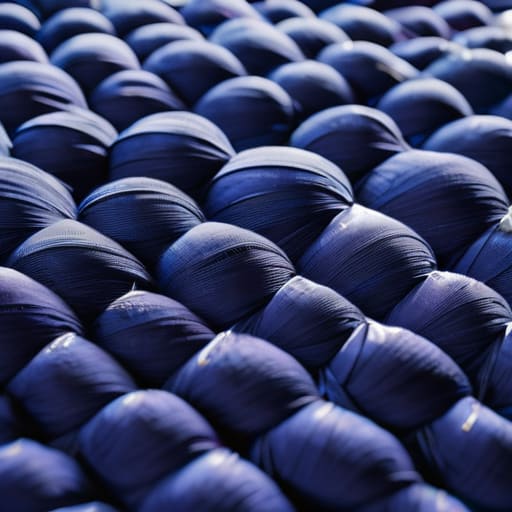
Fabric dyeing is the process where raw yarn or woven fabric is submerged in color before any cutting or sewing takes place. By coloring the material at the fiber level, you achieve a level of color consistency that is virtually impossible to replicate once a garment is already shaped. This method ensures that the pigment is deeply integrated into the foundation of the textile itself, providing a solid, predictable base for large-scale production.
I’ve spent way too many late nights in the studio staring at a stack of “premium” blanks only to realize the color is patchy because they skipped this step. When you’re working with fabric dyeing, you’re essentially building your garment on a stable foundation, which means you don’t have to worry about your sleeves looking a different shade than your torso. It’s the backbone of high-quality manufacturing, and if you’re planning on running a serious collection, understanding this baseline is the difference between a professional finish and a DIY disaster.
Garment Dyeing
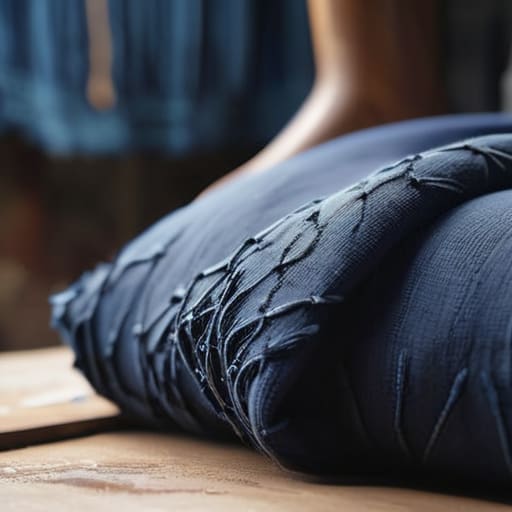
Garment dyeing involves taking a fully constructed, sewn piece of clothing and immersing the finished item into a dye bath. This technique allows for a unique, lived-in aesthetic characterized by subtle color variations around the seams and edges. Because the dye hits the stitching and the structural details all at once, it creates a soft, vintage-inspired look that feels immediately broken-in rather than stiff and new.
There is a specific kind of magic in a garment-dyed tee, but there’s also a massive margin for error that catches a lot of new designers off guard. I always tell people that if you want that distressed, high-end streetwear vibe, this is your path, but you have to respect the shrinkage. Since you’re dyeing the final shape, any tension in your seams is going to react to the heat and the chemicals. It’s a high-reward process, but you can’t just wing it without knowing exactly how your specific GSM is going to behave in the vat.
Comparison of Garment Dyeing vs. Fabric Dyeing
| Feature | Garment Dyeing | Fabric Dyeing |
|---|---|---|
| Process Stage | After garment construction | Before garment construction |
| Color Precision | Varied, lived-in look | Highly precise and uniform |
| Texture/Feel | Softer, slightly distressed | Crisp and consistent |
| Color Fastness | Lower (prone to fading) | Higher (more stable) |
| Production Cost | Higher (due to extra steps) | Lower (economies of scale) |
| Best For | Vintage, casual aesthetics | High-end, structured garments |
| Inventory Risk | Lower (dyeing after assembly) | Higher (must dye before sewing) |
The High Cost of Shallow Fabric Dye Penetration Depth
Look, if you’re just chasing a specific shade for a drop, you might not care, but if you actually want your clothes to age well, you have to talk about penetration depth. This isn’t just technical jargon; it’s the difference between a piece that develops a beautiful, lived-in patina and one that looks cheap and patchy after three washes.
When you’re doing fabric dyeing, the pigment is integrated into the yarn itself before the garment is even cut. Because the fibers are submerged in the dye bath in their raw state, the color is consistent all the way through the core of the thread. It’s deep, it’s stable, and it’s incredibly reliable.
Garment dyeing is a different beast entirely. Since you’re dipping a finished, sewn piece into the dye, the color mostly sits on the surface and penetrates the outer layers of the knit. While this creates that sought-after “vintage” look where the seams stay slightly lighter, it means the color is inherently shallower. If you’re looking for uniform saturation, this isn’t it.
For sheer depth and color longevity, fabric dyeing wins every single time.
Chasing the Vintage Wash Effect Garment Dye Aesthetic
If you’re looking for that lived-in, “I’ve owned this for ten years” vibe, you’re basically entering a battlefield. This isn’t just about aesthetics; it’s about whether your brand looks like it has a soul or if it just looks like it was manufactured in a factory yesterday. In the world of streetwear, that distinction is everything.
When you go with fabric dyeing, you’re getting color consistency that is almost clinical. It’s perfect if you want every single piece to look identical, but it lacks that organic, slightly uneven character. It’s safe, but it’s also a bit sterile for anyone chasing a specific mood.
Garment dyeing, on the other hand, is where the magic happens for the vintage lovers. Because you’re dyeing the finished piece, the dye hits the seams, the edges, and the heavy-duty stitching differently. You get those beautiful, subtle color variations that make a heavy GSM hoodie look like a genuine relic. It’s not “perfect,” but in this industry, that’s exactly the point.
For anyone trying to nail that specific, faded aesthetic? Garment dyeing wins, hands down.
The Bottom Line: Choosing Your Method
Don’t mistake a “vintage look” for quality; if you want that lived-in, faded aesthetic, garment dyeing is your way to go, but if you need color consistency across a massive drop, stick to fabric dyeing.
Watch your margins—garment dyeing is great for small batches and custom washes, but it adds a layer of processing that can drive up the cost of your blanks if you aren’t calculating the math correctly.
Think about the long game of the garment’s life; fabric dyeing gives you a more uniform, saturated color that holds up predictably, while garment dyeing offers a unique character that evolves as the piece is worn.
Frequently Asked Questions
If I'm trying to keep my production costs low for a small drop, is it actually cheaper to go with fabric dyeing or am I just paying for more headache?
Look, if you’re running a tiny drop, fabric dyeing feels like the “safe” bet for your budget, but it’s a trap. You’re paying for the scale you don’t have. Fabric dyeing requires massive minimums to make the math work. With garment dyeing, you can buy high-quality blanks in smaller batches and dye them later. It’s more upfront work, sure, but it saves you from sitting on a mountain of unsold, undyed inventory.
Does choosing garment dyeing mean I'm stuck with a certain weight of fabric, or can I still find heavy GSM blanks that take the dye well?
You aren’t stuck, but you do have to be smarter about your sourcing. You can absolutely find heavy, high-GSM blanks for garment dyeing, but you can’t just grab any random heavyweight blank off the shelf. You need something specifically engineered for it—usually with a tighter weave that won’t just turn into a shapeless rag once it hits the dye bath. If the construction isn’t right, that heavy weight will just feel “clunky” instead of premium.
If I'm printing graphics on top of these, which method is less likely to make my ink crack or peel after the first wash?
If you’re printing graphics, fabric dyeing is usually your safest bet for longevity. Since the color is locked into the fibers before the garment is even cut, the surface is more stable. Garment dyeing can be tricky; because the process happens on the finished piece, the fabric can sometimes be more “relaxed” or chemically treated, which can mess with your ink’s adhesion. If you want to avoid that dreaded cracking, stick to fabric-dyed blanks.