I still remember the first time I tried to launch my own little line of tees in that cramped, shared studio. I thought I’d nailed the design, but when the first batch came back, the prints felt like heavy, suffocating sheets of rubber glued to the chest. I was so caught up in the “vibe” that I completely ignored the technical reality of plastisol versus water based ink. It’s a classic trap: you see a killer graphic online and assume any ink will do, only to realize later that your choice has fundamentally changed how the garment actually behaves once someone tries to wear it.
Look, I’m not here to sell you on some “revolutionary” new printing technique or tell you what’s going to be trending on TikTok next week. I’ve spent way too many late nights troubleshooting curing temperatures and seam tension to give you anything less than the truth. In this breakdown, I’m pulling back the curtain on the real-world trade-offs of plastisol versus water based ink. We’re going to talk about hand-feel, durability, and the actual cost of your mistakes so you can stop guessing and start building something that lasts.
Plastisol Ink
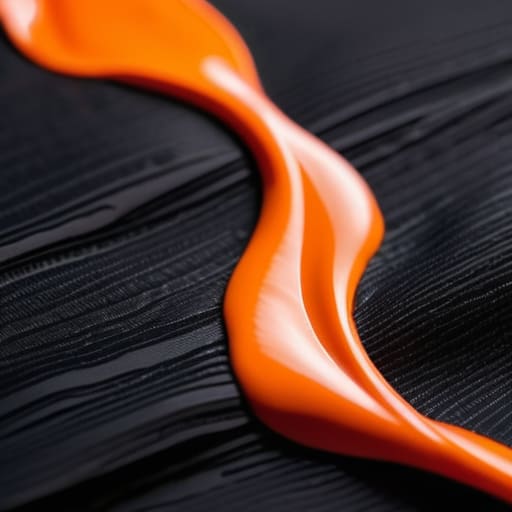
Plastisol is a thick, PVC-based ink that stays wet on the screen until it is hit with high heat to cure. It’s essentially a liquid plastic that sits on top of the fabric fibers rather than soaking into them, which makes it the industry standard for anyone needing vibrant, high-opacity colors that pop on dark garments.
I’ve spent way too many late nights in the studio realizing that plastisol is basically the “safety net” of the printing world. Because it doesn’t dry out in the screen, it’s incredibly forgiving for beginners, but there’s a trade-off you can’t ignore. If you aren’t careful with your flash cure, you end up with a print that feels like a stiff rubber patch stuck to your chest, which is exactly what I try to avoid when I’m sourcing blanks for my own runs.
Water-Based Ink
Water-based ink is a pigment suspended in a water solution that is designed to penetrate the actual weave of the textile. Unlike thicker alternatives, the core mechanism here relies on the ink sinking into the fibers, resulting in a print that feels almost non-existent once it has fully cured.
When you’re hunting through vintage shops for those perfect nineties tees, you’re usually looking for that specific, lived-in softness that only water-based ink can provide. There is a massive difference between a shirt that feels like you’re wearing a piece of cardboard and one where the graphic is part of the fabric. It’s a much more technical, finicky process to master, but if you care about the actual hand-feel of a garment, it’s the only way to go.
Comparison of Screen Printing Inks
| Feature | Plastisol Ink | Water-Based Ink | |
|---|---|---|---|
| Composition | PVC-based resin and plasticizers | Pigment suspended in water | |
| Drying Method | Heat curing required (conveyor dryer) | Evaporation or low-heat curing | |
| Print Feel | Thick, heavy "hand" on fabric | Soft, breathable "no-feel" hand | |
| Color Vibrancy | High opacity and bright colors | Softer, vintage, or muted tones | |
| Ease of Use | Easy to use; does not dry in screen | Difficult; prone to drying in screen | |
| Environmental Impact | Higher (contains chemicals/VOCs) | Lower (eco-friendly/biodegradable) | |
| Best For | Dark garments and high-detail graphics | Light garments and soft-feel vintage styles |
Why Plastisol Ink Opacity Matters for Your Bottom Line
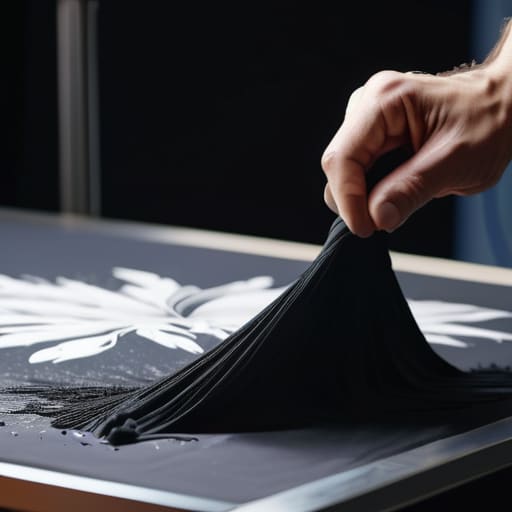
Here is the reality: if your ink doesn’t cover the fabric properly, you aren’t just losing a print—you’re losing money. Opacity is the difference between a garment that looks premium and one that looks like a cheap DIY project gone wrong. When you’re running a small-run production, there is nothing more soul-crushing than realizing you have to reprint an entire batch because the colors look muddy or translucent against a dark blank.
Plastisol is the undisputed heavyweight here. It’s thick, it’s opaque, and it sits on top of the fibers like a solid shield. If you’re printing a bright white or a neon yellow on a heavy black hoodie, plastisol is going to give you that punchy, high-contrast look every single time without needing ten different passes. It’s predictable, which is exactly what you want when you’re calculating your margins.
Water-based ink is a totally different beast. Because it’s designed to soak into the fibers rather than sit on them, achieving full opacity on dark fabrics is a massive struggle. You often end up needing multiple layers, which can lead to a distressed, vintage feel—great for some aesthetics, but a total nightmare if you were actually aiming for a crisp, solid graphic.
For sheer, reliable coverage that protects your profit margins, plastisol takes the win.
Soft Hand Feel vs Thick Print the Tactile Truth
At the end of the day, your customers aren’t just looking at your designs; they’re feeling them. You can have the most killer graphic in the world, but if the print feels like a heavy sheet of rubber stuck to their chest, they’re never wearing it again. This is where the debate between plastisol and water-based gets really personal, because it’s about how the garment actually lives on a human body.
If you go with plastisol, you’re getting that classic, vibrant, high-impact look that sits right on top of the fibers. It’s great for bright colors on dark blanks, but let’s be real: it can feel clunky and thick. If you aren’t careful with your flash cures, you end up with a print that feels like a literal shield. On the flip side, water-based ink is the holy grail for that “lived-in” vibe. It dyes the actual fibers, meaning you can barely feel the print at all once it’s cured.
If you’re chasing that premium, vintage feel where the graphic is part of the fabric, water-based ink wins hands down.
The TL;DR on picking your ink
If you’re chasing that heavy, high-contrast streetwear look where the graphic really pops against a dark blank, plastisol is your best friend—just be ready for that thicker, more tactile layer on the fabric.
Go with water-based if you want the print to feel like it’s part of the shirt rather than sitting on top of it; it’s the move for vintage-style tees, even if you have to work a bit harder to get full opacity.
Don’t let a “trendy” print job ruin your margins; always weigh the cost of the ink and the labor required against the specific hand-feel your customer is actually paying for.
Frequently Asked Questions
If I'm printing on a dark, heavy-weight vintage-style blank, is water-based even a realistic option without it looking washed out?
Honestly? It’s a massive gamble. If you’re using standard water-based ink on a dark, heavy vintage blank, you’re going to end up with a “ghost print”—it’ll look faded and muddy because the dye literally gets swallowed by the fabric. If you want that deep, punchy pigment on a dark garment, stick to plastisol. But if you’re dead set on water-based, you better be looking into discharge printing or high-solid inks.
How much extra time and gear am I actually going to need to factor in if I switch from plastisol to a water-based setup?
Honestly? It’s a massive shift in workflow. You can’t just print and walk away with water-based. You’ll need a flash dryer or a curing oven to set the ink properly, otherwise, your prints will wash out in the first cycle. Plus, you have to stay on top of it; if that ink sits on the screen too long, it dries and ruins your mesh. It’s more prep, more monitoring, and definitely more cleaning time.
Will a water-based print actually hold up after fifty washes, or am I just paying more for a print that's going to fade into nothing?
Here’s the thing: if you’re expecting that bright, neon-on-black pop to stay perfect forever, water-based isn’t your move. It’s designed to age. It’ll fade, but it fades into the fabric, becoming part of the shirt rather than a crusty layer that eventually cracks and peels. If you want a vintage, lived-in vibe that stays soft, it’ll survive fifty washes easily. If you want “brand new” looking forever? Stick to plastisol.