
I was sitting in a cramped, humid studio last Tuesday, staring at a “luxury” hoodie that cost more than my monthly rent, and I couldn’t help but laugh. The stitching was a disaster, the GSM was suspiciously low, and the branding was doing all the heavy lifting for a garment that would fall apart after three washes. It’s infuriating how much we’ve been sold a lie about high-end drops when we should be talking about the actual roots of the movement. If you want to understand where streetwear actually came from, you have to stop looking at glossy lookbooks and start looking at the utility and subculture that built it.
I’m not here to give you a history lesson wrapped in marketing jargon or tell you which logo is “in” this season. Instead, I’m going to pull back the curtain on the real blueprint. We’re going to strip away the hype and look at the actual construction, the community-driven origins, and the unfiltered reality of how these pieces evolved from necessity into a global phenomenon. I promise to keep it real: no fluff, no gatekeeping, just the honest truth about the craft.
The Raw Fabric of Skateboarding Subculture History
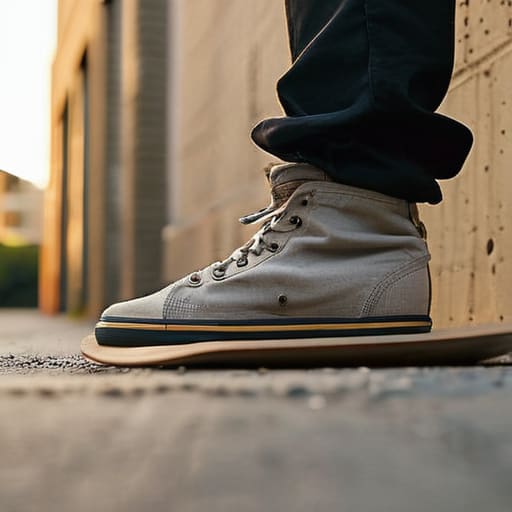
If you want to understand why certain silhouettes became the industry standard, you have to look at the grit, not the runway. Long before everything was optimized for an Instagram grid, the skateboarding subculture history was written in heavy-duty canvas and reinforced stitching. Skaters didn’t care about “drops”; they cared about clothes that wouldn’t shred the first time they bailed on a curb. It was about utility—oversized fits that allowed for movement and fabrics that could actually take a beating.
This wasn’t a top-down movement dictated by designers in Paris. It was a grassroots shift where the evolution of urban fashion happened in parking lots and skate parks. You see this clearly when you look at the early days of Shawn Stussy and surf culture bleeding into the skate scene. It was this messy, beautiful cross-pollination of styles that created the blueprint. They weren’t trying to build a brand; they were just trying to find a way to wear their identity without it falling apart after three washes.
Shawn Stussy and Surf Culture the Original Print Blueprint

If you want to talk about the actual blueprint of how a brand moves from a garage to a global phenomenon, you have to talk about Shawn Stussy. Before everything became about “drops” and artificial scarcity, it was just a guy in Laguna Beach scrawling his surname on surfboards with a marker. When he started slapping that same hand-drawn logo onto blank tees, he wasn’t trying to build a multi-million dollar empire; he was just making gear for his friends. This was the era of Shawn Stussy and surf culture colliding, where the garment was basically a canvas for a shared identity rather than a status symbol.
What I find fascinating from a production standpoint is how this shifted the entire evolution of urban fashion. It wasn’t about high-fashion silhouettes; it was about the graphic. Stussy proved that if the print had enough soul, the person wearing it felt like they belonged to something exclusive. It wasn’t “exclusive” because of a marketing budget, but because you had to be in the know to even recognize the mark. That’s the DNA of what we see today, long before the polished machinery of modern hype took over.
Beyond the Hype: 5 Things to Look for Before You Buy the Story

- Stop looking at the logo and start feeling the weight. Streetwear grew out of necessity and DIY culture, which means the original pieces were built to survive a concrete skatepark, not just look good in a filtered photo. If a “streetwear” brand is using paper-thin, low-GSM fabric, they aren’t honoring the roots; they’re just selling you a marketing budget.
- Check the seam construction. The early days were about making things that lasted, often using heavy-duty stitching to handle constant movement. If you see loose threads or single-needle stitching on a piece that’s supposed to be “premium,” someone is cutting corners to pad their margins.
- Respect the silhouette, but verify the pattern. Real streetwear was defined by how a garment hung off the body—think oversized hoodies that actually had the structure to hold their shape. If the fit feels awkward or “boxy” in a way that looks accidental rather than intentional, it’s likely a cheap pattern cut to save on fabric waste.
- Look for the “DIY” DNA in the details. The history of this movement is rooted in screen printing, embroidery, and customization. A brand that lacks any interesting textural detail or thoughtful print placement is usually just slapping a graphic on a generic, mass-produced blank.
- Trace the lineage, not the trend. Before you drop cash, ask yourself if this piece actually connects to a subculture or if it’s just riding a wave. Real streetwear has a specific “why” behind its design—whether it’s surf, skate, or hip-hop—and that intention should be visible in the very construction of the garment.
The Real Blueprint: What Actually Built the Movement
Streetwear wasn’t engineered by design houses; it was forged in the friction between surf, skate, and hip-hop subcultures who needed gear that could actually survive a concrete park or a long night out.
The “original” streetwear era was defined by the graphic—using simple blanks as a canvas to signal identity long before logos became overpriced corporate assets.
If you want to understand the roots, stop looking at the runway and start looking at the construction; the movement was built on utility and the DIY spirit of making something that lasts.
Frequently Asked Questions
If it all started with surf and skate culture, how did we get from DIY printing to these massive luxury brands charging hundreds for a basic hoodie?
It’s the classic pivot from subculture to commodity. Once the “look” of DIY—the oversized fits and graphic prints—became a recognizable aesthetic, the big players realized they could sell the feeling of rebellion without any of the actual grit. They swapped heavy-duty blanks for high-margin luxury labels, slapping a logo on a mediocre fleece and calling it “curated.” We went from printing for the crew to paying a premium for the prestige of the name.
Is there a specific way to tell if a piece is actually rooted in that original subculture or if it's just a corporate brand using the aesthetic as a costume?
Look at the construction, not the logo. A brand wearing a subculture as a costume usually focuses on the “vibe”—distressed graphics and oversized fits—but skimps on the technicals. If they’re slapping a skate-inspired print on a flimsy, low-GSM jersey with crooked seams, they don’t care about the heritage; they just want the aesthetic. Real pieces carry the weight of their utility. If it feels like it’ll fall apart after three washes, it’s just marketing.
How much of the early "streetwear" look was actually about the way the clothes were constructed versus just the graphics printed on them?
Honestly, it was a mix, but the construction is what gave the graphics their weight. You can slap a cool logo on a flimsy, thin-neck tee, but that’s not streetwear—that’s just a souvenir shirt. The early era relied on heavy-duty blanks and oversized silhouettes that actually held their shape after a wash. The “look” wasn’t just the print; it was the way that heavy cotton draped and felt substantial when you actually wore it.