I was hunched over my cutting table last Tuesday, surrounded by scraps of heavy-duty French terry and the smell of fresh plastisol ink, when I realized I was looking at a pile of “must-have” seasonal pieces that were destined for a landfill by next month. It’s exhausting watching people burn their hard-earned money on micro-trends that disappear faster than a bad print job. We’ve been conditioned to think that staying relevant means chasing every algorithm-driven aesthetic, but the truth is that the battle of trends versus personal taste is usually a rigged game played by people who don’t actually care about how a garment is constructed.
I’m not here to tell you which color is going to be “in” for the summer or which influencer is wearing what. Instead, I want to help you build a wardrobe that actually lasts—both physically and stylistically. I’m going to pull back the curtain on how to spot the difference between a piece that has genuine soul and one that’s just expensive marketing fluff. We’re going to talk about why a well-cut vintage silhouette beats a viral fast-fashion hit every single time, and how you can finally stop dressing for the feed and start dressing for yourself.
The Psychology of Consumer Trends and Why They Fail You
The thing about the psychology of consumer trends is that they’re designed to make you feel like you’re already behind. Every time a new “core” pops up on my feed—whether it’s some hyper-specific aesthetic that’ll be dead in three weeks—there’s this subconscious itch to buy into it just to stay relevant. But that’s exactly how the cycle works. Brands bank on that momentary hit of dopamine to push cheap, poorly constructed pieces that fall apart after two washes. It’s a manufactured urgency that ignores the reality of how clothes actually function.
When you’re constantly chasing the next wave, you lose the ability to focus on developing an individual aesthetic that actually reflects who you are. Instead of building a collection of pieces that make sense together, you end up with a closet full of “micro-trends” that don’t talk to each other. I’ve spent way too many hours in the studio seeing how much energy goes into making a garment look “on-trend” while completely neglecting the construction. If you want to stop the cycle, you have to prioritize curating a personal wardrobe based on how a fabric drapes and how a seam holds up, rather than just what’s currently blowing up on social media.
Fast Fashion vs Timeless Classics a Lesson in Construction
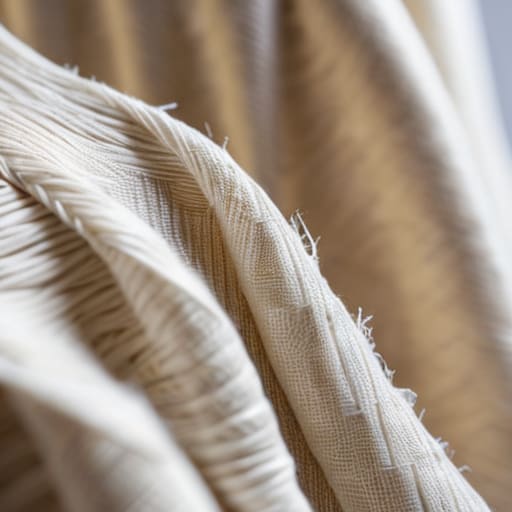
Look, I’ve spent way too many late nights in the studio deconstructing garments that were supposed to be “must-haves” only to find the internal construction is absolute garbage. When you’re looking at fast fashion vs timeless classics, the difference isn’t just how it looks on a mannequin; it’s in the guts of the piece. Fast fashion relies on “speed-to-market,” which is usually code for using thin, low-density fabrics and skipping the structural details that actually hold a shape. I’m talking about loose tension in the stitching and those flimsy, single-needle seams that start unravelling after exactly two washes.
If you want to move toward curating a personal wardrobe that actually lasts, you have to start looking at the technicalities. A timeless piece—something that actually supports your movement—is built with intentionality. I’m talking about reinforced shoulder seams, proper seam allowances, and a fabric weight that doesn’t turn transparent the moment you put it on. It’s easy to get swept up in a micro-trend, but investing in construction is the only way to ensure your clothes don’t end up in a landfill by next season.
How to build a wardrobe that actually survives the hype cycle
- Stop buying for the “aesthetic” and start buying for the construction. If a piece looks incredible in a TikTok transition but the seams are raw and the fabric is paper-thin, you aren’t buying a garment—you’re buying a temporary mood that’s going to fall apart in three washes.
- Learn to read a spec sheet, not a caption. Before you drop money on a “must-have” piece, check the GSM (grams per square meter). If you’re paying premium prices for a lightweight, flimsy jersey that feels like a glorified undershirt, you’re being played by the marketing.
- The “Inside-Out” Test. This is my personal obsession, but it works: check the interior of a garment before you buy it. If the overlocking is messy or the thread tension is all over the place, the brand cut corners on the labor, and they definitely cut corners on the fabric.
- Build around your “uniform” rather than the season. I don’t care what the color of the month is; I care about how a heavy-weight cotton tee sits on my shoulders. Find the silhouettes that make you feel like yourself, and treat trends like seasoning, not the main course.
- Prioritize repairability over novelty. A piece of clothing is only “timeless” if it can be mended. If a trend-heavy item uses a weird, hyper-specific hardware or a synthetic blend that’s impossible to patch, it’s destined for a landfill the second it loses its novelty.
The bottom line: How to actually shop
Stop checking the “New In” tab for validation; if you can’t explain why you like the weight of the fabric or the way the seams are finished, you’re probably just buying a mood that’ll expire in three weeks.
Invest in the bones of the garment—look for high GSM and proper construction—because a trend might dictate the silhouette today, but a bad stitch will ruin the piece by next month.
Build a wardrobe based on technical specs and personal utility rather than social media hype, so you end up with a collection of pieces that actually last instead of a pile of expensive landfill.
Frequently Asked Questions
How can I actually tell if a garment is built to last just by looking at it in a store?
First, stop looking at the tag and start looking at the seams. Flip the garment inside out—seriously, it’s the only way to see the truth. If you see loose threads or uneven stitching, put it back. Check the weight, too; a heavy GSM usually means better density, but feel for the tension. Look for reinforced stitching at stress points like pockets and crotches. If it feels flimsy in your hands, it’ll be trash in three washes.
Is it even possible to build a wardrobe based on personal taste without accidentally falling into a trend cycle?
It’s a constant battle, honestly. The industry is literally designed to make you feel like your favorite shirt is “out” the second a new aesthetic drops on TikTok. But here’s my rule: stop looking at the silhouette and start looking at the specs. If you fall in love with a heavy 400 GSM hoodie because the structure is incredible, it doesn’t matter if “oversized” is trending or not—that piece is still going to look intentional and hold its shape.
At what point does investing in high-quality, heavy-weight pieces become a waste of money if I'm constantly wanting to change my look?
Look, I get the itch to switch it up—I really do. But there’s a massive difference between “changing your look” and “buying garbage.” If you’re pivoting from oversized silhouettes to slim fits, buy the high-quality version of the new silhouette. Don’t downgrade the fabric just because the shape changed. Investing in heavy-weight pieces isn’t a trap; it’s building a foundation. If the construction is solid, you can always tailor it or layer it differently.