
I was sitting in my shared studio last Tuesday, staring at a “premium” heavyweight hoodie that had just arrived for a client, and I swear I almost threw it across the room. The marketing deck called it a “revolutionary staple for modern sport and lifestyle brands,” but the second I turned it inside out—which is my first move with every single garment, honestly—I saw the truth. The overlock stitching was fraying, the neck ribbing was thin enough to see through, and the supposed “heavyweight” feel was just a lie told by a high-contrast photoshoot. It’s infuriating how much of this industry is just expensive smoke and mirrors designed to make you pay for a logo instead of actual construction.
I’m not here to tell you which colorway is going to be big on TikTok next month. I’ve spent too many late nights fighting with pattern cutters and ink viscosity to care about fleeting trends. Instead, I’m going to pull back the curtain on what actually makes a brand endure. We’re going to talk about real substance—from understanding why your fabric weight is failing you to spotting the difference between a quality seam and a cheap shortcut.
The Hidden Cost of Ignoring Performance Apparel Technology
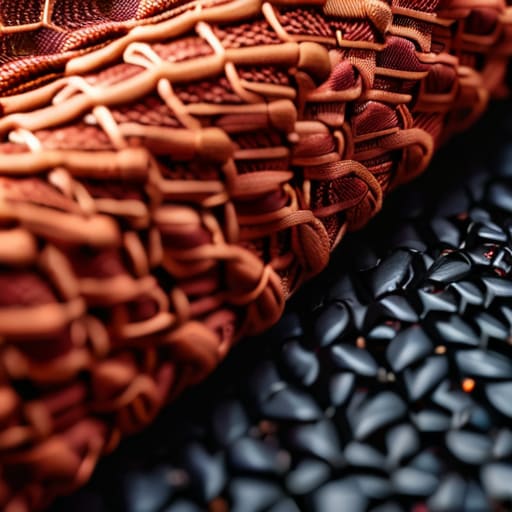
Everyone is obsessed with the aesthetic of the streetwear and sportswear fusion right now, but nobody wants to talk about what happens when that fabric actually hits sweat. If you’re building a brand based solely on how a hoodie looks in a studio photoshoot, you’re setting yourself up for a nightmare. I’ve seen so many startups chase current athleisure fashion trends by sourcing the cheapest possible synthetics, only to realize six months later that their “lifestyle” pieces are basically plastic bags that trap heat and pill after a single wash.
When you ignore actual performance apparel technology, you aren’t just saving money on production; you’re eroding your brand’s credibility. It doesn’t matter how sick your logo looks if the moisture-wicking properties are non-existent or if the elastane snaps after three months of wear. If you want to build something that lasts, you have to understand the science behind the weave. You can’t just slap a high-end graphic on a low-grade blank and call it “technical gear.” Real quality is found in the interplay between fiber density and breathability, not just in a clever marketing campaign.
Why Your Fitness Brand Identity Dies Without Proper Seams
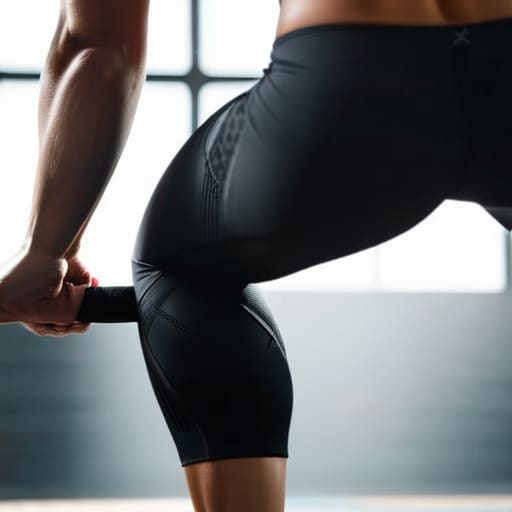
Look, I’ve seen so many startups launch with a killer aesthetic, only to have their entire reputation tank because they treated construction like an afterthought. You can have the most cohesive color palette in the world, but if your leggings are riding down during a squat or your hoodie has raw, fraying edges after two weeks, your fitness brand identity is effectively dead. People might buy into the vibe once, but they won’t come back if the garment literally falls apart on them.
When you’re playing in the space of streetwear and sportswear fusion, the stakes are actually higher. You aren’t just making gym clothes; you’re making pieces meant for heavy rotation in daily life. If you use a standard single-needle stitch where you should have used a flatlock seam, you’re creating friction points that irritate the skin. I always turn my samples inside out first because that’s where the truth lives. If the internal architecture is sloppy, no amount of clever marketing or chasing athleisure fashion trends is going to save your brand from being labeled as disposable junk.
Stop Chasing Aesthetics and Start Checking the Specs
- Stop obsessing over the Pantone swatch for a second and actually feel the fabric weight; if you’re launching a premium lifestyle line but using a 140 GSM jersey, your customers are going to feel lied to the moment they pick it up.
- Check your flatlock stitching before you commit to a bulk order—if it’s scratchy or uneven, it doesn’t matter how “athleisure” the silhouette looks, nobody is going to wear it for an actual workout.
- Don’t let a “vintage wash” hide a lack of structural integrity; a garment should look lived-in, not like it’s about to lose its shape and turn into a rag after one cycle in a heavy-duty dryer.
- Audit your necklines and ribbing; cheap, thin ribbing on a lifestyle hoodie is the fastest way to make a brand look like a last-minute merch drop rather than a serious label.
- Demand actual tech specs on moisture-wicking properties instead of just taking a supplier’s word for it—if the blend is mostly cheap polyester with zero breathability, your “performance” gear is just glorified plastic.
The Bottom Line on Building Something Real
Stop chasing seasonal color palettes if your fabric weight is inconsistent; a heavy GSM provides a structural integrity that no marketing campaign can fake.
Prioritize seam construction over flashy logos, because a brand’s reputation lives or dies in the details that customers only notice when a garment falls apart.
Invest in actual technical performance rather than just “lifestyle” aesthetics, because if the clothes don’t actually function, you’re just selling expensive landfill.
Frequently Asked Questions
How can I tell if a brand is actually using high-quality technical fabrics or just slapping a moisture-wicking label on cheap polyester?
Look, if you see “moisture-wicking” on a tag, take it with a grain of salt. That’s just marketing speak. Instead, grab the fabric and do the squeeze test. High-end technical blends should have a snappy, resilient recovery—they bounce back immediately. If it feels limp or stays bunched up, it’s just low-grade polyester. Also, check the hand feel; real performance tech feels engineered, not just slimy or plasticky against your skin.
What’s the actual difference in durability between a standard single-stitch hem and a reinforced coverstitch for activewear?
Look, if you’re using a single-stitch hem for activewear, you’re basically building a house on sand. A single stitch is fine for a vintage tee, but it’s got zero give. The moment someone hits a squat or a sprint, that thread is going to snap under the tension. A reinforced coverstitch is non-negotiable here; it creates that flat, stretchy seam that moves with the fabric instead of fighting it. Don’t let your gear rip mid-workout.
Is it worth paying a premium for higher GSM in lifestyle pieces, or does that just make the garment feel too heavy for everyday wear?
Look, it’s not about “heavy” vs. “light”—it’s about structure. If you’re making a basic lifestyle tee, a low GSM makes it look like a pajama top after one wash. I always say: pay the premium for a higher GSM if you want that intentional, architectural drape that actually holds its shape. If it feels like you’re wearing a wet paper towel, the weight isn’t the problem; the quality is.