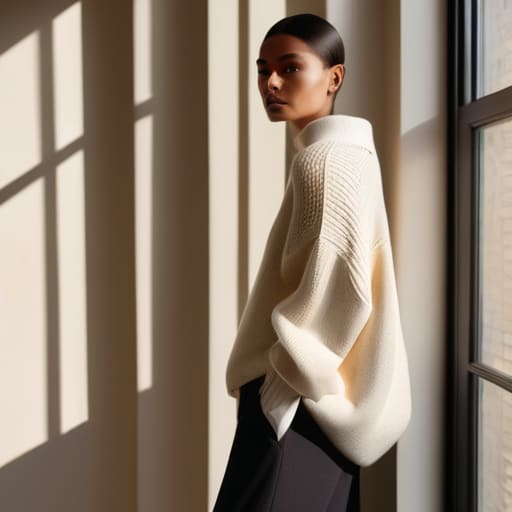
I remember standing in my first shared studio, staring at a pile of “premium” streetwear blanks that were supposed to be the next big thing. I’d ordered these massive, heavy-duty tees thinking I’d nailed the aesthetic, but the second I pulled them on, I looked like I was drowning in a sea of cheap, shapeless cotton. It was a total disaster because I didn’t actually understand oversized fit and how it works from a construction standpoint; I just thought “bigger equals better.” Most brands will try to sell you on the “vibe” of a baggy silhouette, but if they aren’t talking about shoulder drop or fabric tension, they’re just selling you a lie.
I’m not here to give you a mood board or tell you what’s trending on TikTok this week. Instead, I want to pull back the curtain on the actual technicalities—the stuff that separates a structured, intentional silhouette from a garment that just looks like it doesn’t fit. We’re going to talk about GSM, drape, and seam placement so you can actually recognize quality. My goal is to give you the blueprint to understand the craft, not the marketing, so you can build a wardrobe that actually holds its shape.
Why Fabric Weight and Drape Dictate the Silhouette
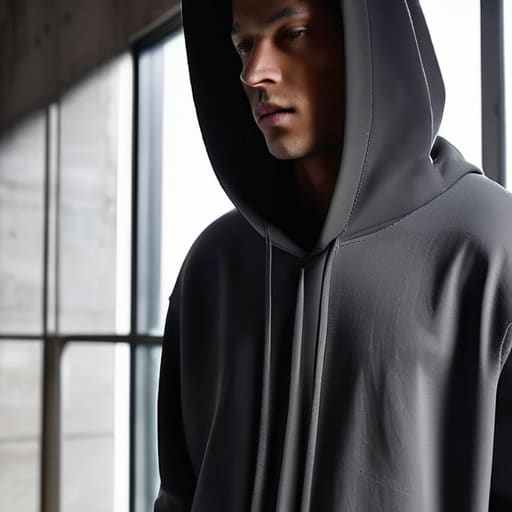
Here is the truth: you can buy the most expensive, wide-cut pattern in the world, but if the material is trash, you aren’t wearing a “statement piece”—you’re just wearing a tent. When I’m sourcing blanks for my own runs, I’m looking at the fabric weight and drape before I even glance at the size chart. If you’re working with a flimsy, low-GSM jersey, that “oversized” look will just collapse against your body, clinging to all the wrong places and looking like a wet rag.
To get that intentional, structured look you see in high-end streetwear, you need density. A heavy, high-GSM cotton holds its own shape, creating a crisp, architectural silhouette that stands away from the skin. This is the secret to the difference between a relaxed silhouette vs oversized intentionality; one looks like you borrowed your older brother’s clothes, while the other looks like a deliberate design choice. If the fabric doesn’t have enough “body” to support the extra volume, you’re fighting a losing battle against gravity.
The Critical Difference Between Relaxed Silhouette vs Oversized
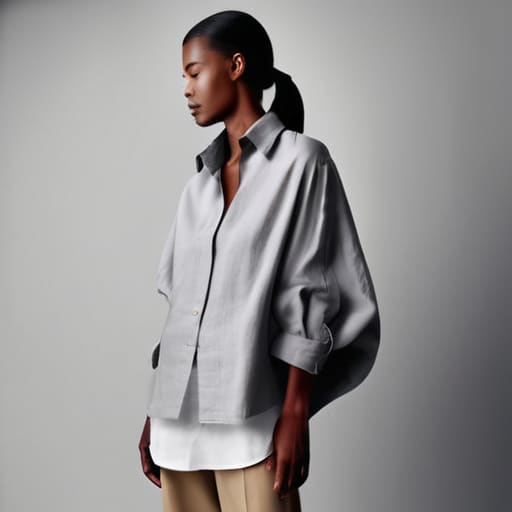
People use these terms interchangeably in TikTok comments, but if you’re actually trying to build a wardrobe, the distinction matters. A relaxed silhouette is basically just a standard pattern with a bit of breathing room; it follows the lines of your body without clinging, but it doesn’t try to redefine your shape. Think of it as “comfortable” rather than “intentional.” On the other hand, a true oversized fit is a deliberate architectural choice. It’s about dropping the shoulder seams significantly and playing with volume in a way that looks purposeful rather than just looking like you bought the wrong size.
When you’re balancing proportions in fashion, this is where most people trip up. If you go for a true oversized look, you have to account for how that extra mass interacts with your frame. A relaxed fit is easy—you just throw it on. But mastering a heavy, oversized streetwear silhouette requires understanding how the garment sits on your hips and neck. If the scale is off, you aren’t “slaying the look”; you’re just getting lost in a sea of cotton.
How to Not Look Like You’re Wearing a Garbage Bag
- Check the shoulder seam placement. A real oversized fit is engineered; if the shoulder seam is just drooping halfway down your bicep without any structural integrity in the sleeve, you don’t look “effortless,” you just look like you’re wearing your older sibling’s hand-me-downs.
- Stop ignoring the GSM. If you’re going for a heavy, boxy streetwear look, you need a high GSM (grams per square meter) to give the fabric enough “stand.” If the fabric is too thin, that oversized cut is just going to collapse and cling to all the wrong places.
- Mind the neck ribbing. There is nothing more tragic than a massive, heavy oversized tee paired with a flimsy, stretched-out neckband. A thick, tight ribbing holds the whole silhouette together and keeps the garment from looking like a rag.
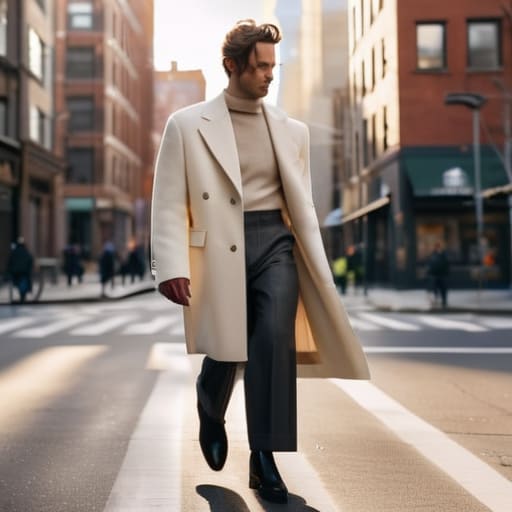
- Balance the proportions of your lower half. If you’re going big on top, you have a choice: lean into the volume with wide-leg trousers for a full architectural look, or use a more tapered bottom to create a deliberate contrast. Just don’t let the middle ground happen, or you’ll lose your shape entirely.
- Look at the side slits and hem length. A true oversized piece often has a slightly cropped or boxy length to prevent it from looking like a dress. If the hem hits mid-thigh and the sides are straight, you’re fighting an uphill battle against looking sloppy.
The Real Cost of Getting the Fit Wrong
Don’t fall for “oversized” labels on thin, low-GSM fabrics; if the material doesn’t have enough weight to hold its own shape, you’re just wearing a glorified, saggy undershirt.
A true oversized silhouette relies on intentional pattern cutting—specifically dropped shoulders and wider sleeves—rather than just buying a size up and hoping for the best.
Always check the seam construction and drape; a well-made oversized piece should feel structured and intentional, not like you’re drowning in a garment that was poorly drafted.
Frequently Asked Questions
If I'm buying a heavy GSM blank to get that structured look, how much should I actually worry about shrinkage after the first wash?
Look, if you’re chasing that heavy, structured look, shrinkage is your biggest enemy. A high GSM doesn’t mean it’s invincible. If the blank hasn’t been pre-shrunk, that beautiful boxy shape can turn into a cropped, tight mess after one cycle in the dryer. Honestly? Always check if it’s “pre-shrunk” or “garment dyed.” If they don’t specify, assume it’ll shrink and maybe size up—but even then, the drape might change.
How do I figure out if a garment is actually designed with an oversized pattern, or if it's just a standard fit that's two sizes too big?
Check the shoulder seams. If they’re sitting right on your natural shoulder bone but the torso is just massive, someone just grabbed a 3XL and called it “fashion.” A real oversized fit has dropped shoulders—the seam should actually sit down your arm. Also, look at the armholes. If they’re tight and high, it’s just a big shirt. True oversized patterns have deep, wide armholes to keep the drape looking intentional, not suffocating.
What's the best way to balance a heavy, oversized top with my existing wardrobe so I don't just look like I'm drowning in fabric?
The trick is all about playing with proportions so you don’t end up looking like a shapeless blob. If you’re rocking a heavy, high-GSM hoodie, pair it with something more structured or slimmer on the bottom—think straight-leg denim or even a tailored trouser. You need that contrast. If you go oversized on both top and bottom without a clear silhouette, you’re not wearing an outfit; you’re just hiding under a pile of fabric.