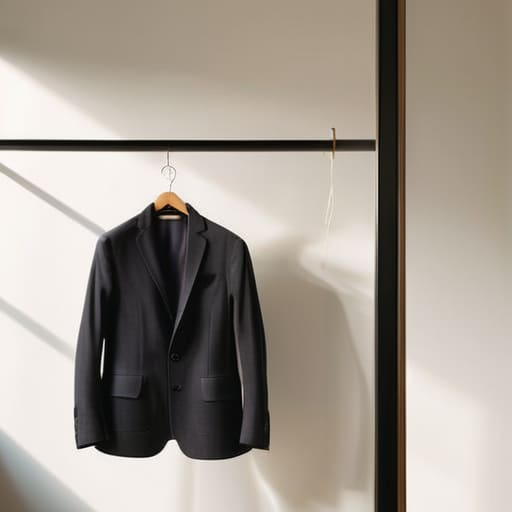
I was hunched over a heavy industrial screen printer last Tuesday, smelling the sharp, chemical tang of plastisol ink, when I realized I was staring at a pile of “on-trend” blanks that were basically glorified paper towels. They looked great on a mood board, but the moment I felt the flimsy, uneven knit, I knew they were destined for a landfill. This is the massive lie the industry feeds us: that you can curate a look just by hitting “checkout” on whatever a micro-influencer is wearing this week. Real identity isn’t something you can download; it’s about building style rather than buying it, and that starts with understanding the actual physics of what you’re putting on your body.
I’m not here to give you a curated shopping list or tell you which aesthetic is “in” for the summer. Instead, I want to pull back the curtain on the technical side of looking good. We’re going to talk about why a high GSM matters for how a shirt drapes, how to spot a cheap seam before you waste your money, and how to curate a wardrobe that actually survives a washing machine. I’m promising you zero hype and nothing but the raw, honest craft of making clothes last.
Developing Personal Aesthetic Through Fabric Weight and Feel
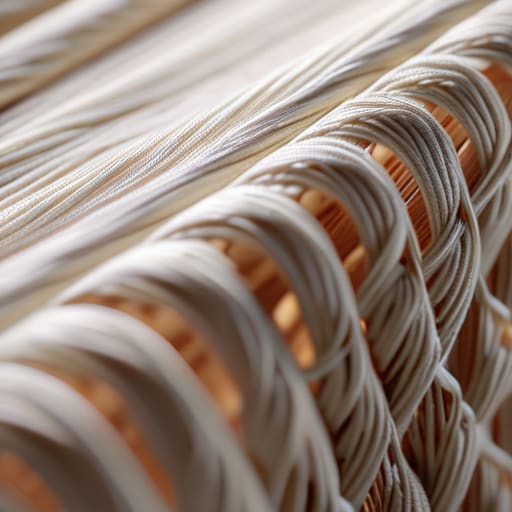
Most people think curating a signature look starts with a mood board or a Pinterest dump, but for me, it starts with how a fabric hangs on your shoulders. I can’t help it—I always turn a garment inside out before I even look at the print. I’m looking for that specific tension in the weave. If you’re serious about developing personal aesthetic, you have to stop looking at colors and start feeling the weight. A flimsy, 140 GSM jersey tee is going to drape like a wet paper towel, no matter how cool the graphic is. It’s going to feel cheap, and eventually, you’ll feel cheap wearing it.
When I’m working on intentional wardrobe building, I look for that heavy, structured 300 GSM cotton that actually holds a silhouette. There is a massive psychological shift that happens when you wear something with substance; it changes your posture. You aren’t just wearing a shirt; you’re wearing a piece of engineered construction. Once you learn to distinguish between a cheap poly-blend and a high-quality loopback fleece, you stop being a victim of the hype cycle and start building a closet that actually speaks your language.
Intentional Wardrobe Building Beyond the Seasonal Hype
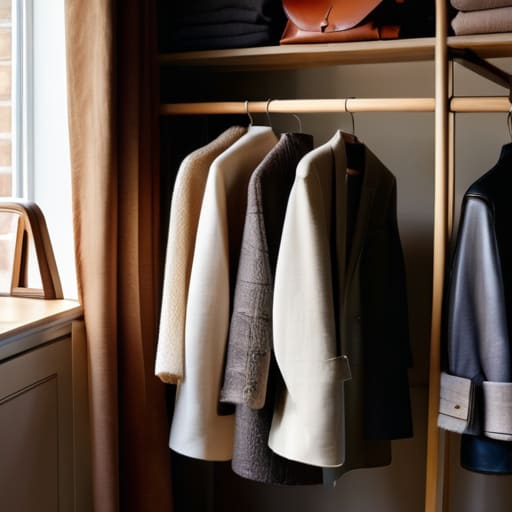
The problem with the “new drop” cycle is that it’s designed to make you feel incomplete. Every time a new micro-trend hits your feed, there’s this manufactured urgency to buy something that doesn’t actually fit your life. But if you’re serious about intentional wardrobe building, you have to stop treating clothes like disposable content. I spent months trying to keep up with every silhouette change until I realized I was just filling a closet with high-quality landfill. Real style happens when you stop reacting to an algorithm and start looking at how a garment actually integrates with what you already own.
Instead of chasing a vibe that’ll be dead by next month, focus on finding your visual language through repetition. Look at your favorite pieces—the ones you actually reach for when you aren’t trying to impress anyone. Is it the way a heavy cotton jersey drapes? Is it a specific color palette that makes you feel grounded? When you prioritize construction and silhouette over seasonal hype, you aren’t just buying clothes; you’re curating a signature look that survives the trend cycle.
Stop Shopping, Start Inspecting: 5 Ways to Actually Build a Wardrobe
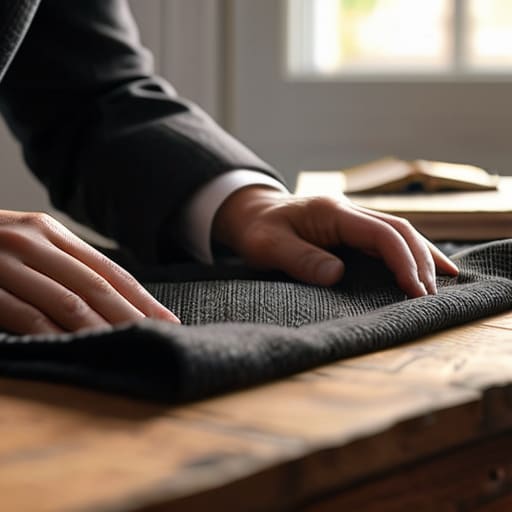
- Stop looking at the silhouette and start feeling the weight; if you can’t tell the difference between a flimsy 140 GSM jersey and a substantial 280 GSM heavyweight cotton, you’re going to end up with a closet full of clothes that lose their shape after two washes.
- Turn your clothes inside out before you even think about the price tag—I do it every single time—because seeing how a seam is finished or if they’ve used a cheap overlock stitch tells you more about the garment’s lifespan than any “premium” label ever will.
- Build around “anchor pieces” rather than “statement pieces”; instead of buying that loud, neon graphic tee that’s trending on my feed right now, invest in a perfectly cut, high-quality blank that actually fits your proportions.
- Learn to read a care label like it’s a blueprint; if you’re buying delicate, high-maintenance fabrics because they look “aesthetic” but you know you’ll never actually treat them right, you’re just wasting money on a future pile of rags.
- Prioritize construction over branding; I’d much rather own one well-constructed hoodie with reinforced stitching and a proper hood shape than five branded sweatshirts that feel like paper and have zero structural integrity.
The Real Cost of a "Look"
Stop letting a TikTok trend dictate your closet; if you can’t explain why you like the drape or the weight of a piece, you’re just renting a personality that’ll be out of style by next month.
Learn to read the specs, not the marketing—knowing the difference between a flimsy 140 GSM jersey and a heavy-duty 280 GSM fleece is what actually separates a collection from a pile of landfill.
Invest in construction over logos, because a perfectly executed seam allowance will keep a garment looking intentional for years, while a flashy print on a poorly cut blank is just a countdown to a rag.
Frequently Asked Questions
If I'm trying to move away from fast fashion, how do I actually tell if a heavy-weight cotton tee is high quality or just thick and cheap?
Don’t let the weight fool you. I’ve seen plenty of “heavyweight” blanks that feel like stiff cardboard because they’re packed with cheap polyester or low-grade short-staple cotton. To spot the real deal, do the “scrunch test.” Squeeze the fabric in your fist; if it bounces back without looking crushed or feels limp, that’s a good sign. Also, check the knit. You want a tight, consistent grain, not a bumpy, uneven mess that’ll pill after one wash.
I get the idea of investing in better construction, but how do I balance building a "timeless" wardrobe without ending up looking like I'm wearing a uniform?
Look, I get it. Nobody wants to look like they’re wearing a beige corporate uniform just because they bought “quality.” The trick is to stop treating “timeless” as a synonym for “boring.” Use those solid, high-GSM basics as your foundation, but play with texture and silhouette. Mix a heavy-duty structured canvas jacket with something more fluid, or swap a standard crewneck for a unique knit. It’s about the construction, not just the color palette.
For someone just starting to look at garment specs, which technical details should I be checking first to make sure a piece will actually last more than a season?
First, stop looking at the label for “100% Cotton” and start looking for the GSM. If you’re buying a tee, anything under 180 GSM is going to feel like tissue paper after two washes. Next, flip the garment inside out—seriously, do it—and check the seam allowance. If the stitching is loose or there’s no reinforcement at the neck, it’s a cheap build. You want tight, consistent seams that won’t unravel the second you hit the laundry.