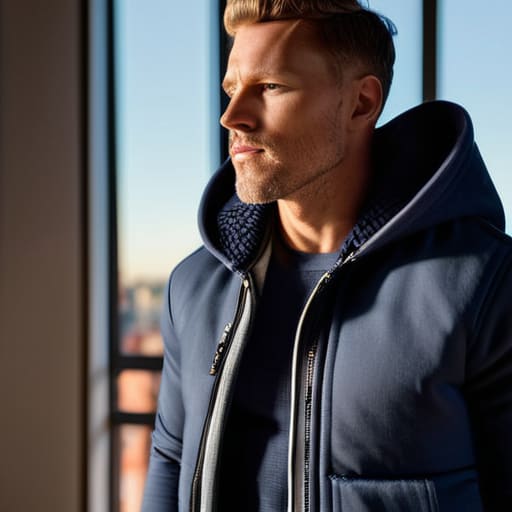
I remember sitting in my first shared studio, surrounded by the smell of plastisol ink and the sound of heavy industrial sewing machines, staring at a pile of “premium” streetwear shells that were basically useless. I’d spent hours trying to layer a decent 400 GSM fleece under these slim-cut windbreakers, only to end up looking like a stuffed sausage with zero mobility. It’s a massive scam when brands prioritize a “sleek silhouette” so much that they completely ignore the actual physics of layering. If you’re struggling to find a decent jacket fit over a hoodie without feeling like you’re trapped in a straightjacket, you aren’t doing it wrong—the garment construction is just failing you.
I’m not here to tell you which designer logo is trending this week or how to pose for a fit pic. Instead, I want to talk about the stuff that actually matters: armhole depth, shoulder width, and how much room you actually need in the chest to prevent that annoying bunching. I’m going to break down how to spot a jacket that was actually designed to be worn with layers, rather than just looking good on a flat mannequin.
Why Seam Allowance Dictates Your Silhouette
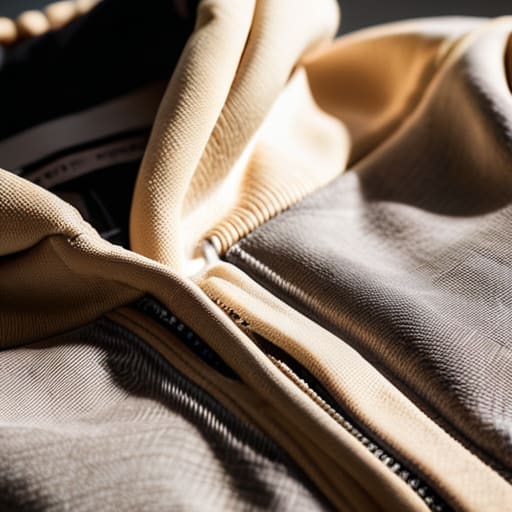
Most people look at a jacket and see the color or the brand, but I’m usually looking at how much fabric was actually used to finish the edges. When you’re trying to master streetwear layering tips, you have to realize that a skimpy seam allowance is a silent killer. If a manufacturer cuts the corners too tight to save a few cents on yardage, they’re effectively shrinking the entire garment’s internal volume. You might think you’ve bought a boxy fit, but once you try to layer, that lack of structural breathing room turns your silhouette into something stiff and awkward rather than effortless.
This is especially brutal when you’re working with heavy cottons. If the seam allowance is minimal, the tension from a thick, high-GSM hoodie will pull the jacket’s seams inward, causing that dreaded bunching around the chest and armpits. Instead of that clean, architectural drape we all want, you end up with a distorted shape that looks like it’s fighting your clothes. If you want to nail oversized hoodie styling, you need to look for pieces that actually have the internal depth to accommodate the bulk without losing their intended geometry.
Solving the Jacket Sleeve Width Guide Dilemma
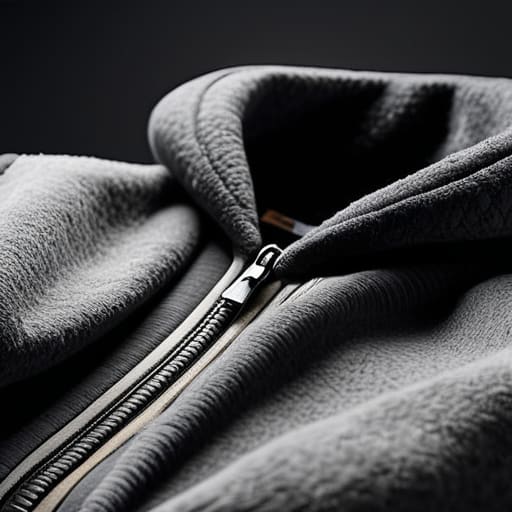
Most people get obsessed with the chest width and completely forget that the sleeve is where the real struggle happens. You can find a jacket that fits perfectly around your torso, but the moment you slide into a heavy 450 GSM fleece, your arms are going to feel like they’re trapped in a straightjacket. This is the core issue with most generic jacket sleeve width guides—they don’t account for the sheer volume of a high-quality, ribbed cuff. If the sleeve opening is too narrow, you’ll end up with that awkward bunching at the elbow that makes you look like you’re wearing a costume rather than an intentional outfit.
When I’m looking at new pieces for my own rotation, I’m checking the bicep circumference specifically. For effective streetwear layering tips, you need to ensure there is enough “air” between the hoodie sleeve and the jacket sleeve. If the jacket sleeve is too slim, you’ll lose all your range of motion. I’d much rather deal with a slightly wider sleeve that hangs right than a tight one that forces you to move like a robot every time you reach for your phone.
Stop Fighting the Fabric: 5 Ways to Actually Layer Without Looking Like a Marshmallow
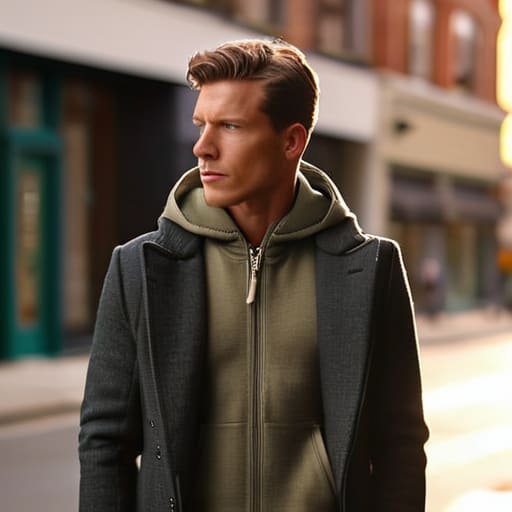
- Check the armhole depth before you buy. If the jacket’s armholes are cut too high or too tight, you’re going to feel that hoodie bunching up right under your armpit every time you move, and trust me, that friction is going to pill your sweatshirt in a week.
- Look for a dropped shoulder on the outer layer. A structured, sharp shoulder seam on a jacket is great for a blazer, but if you’re throwing a heavy 400GSM fleece underneath, that seam is going to dig into your deltoid and make you look like you’re wearing a suit two sizes too small.
- Don’t ignore the “back width” measurement. I’ve seen so many people check the chest size and think they’re golden, only to realize they can’t actually reach forward for a coffee because the back of the jacket is pulled taut against the hood’s bulk.
- Evaluate the hood’s “real estate.” If the jacket has a massive, stiff collar, it’s going to fight your hood for space, pushing it up against your ears and making you look like you’re constantly shrugging. You want a collar that lets the hood sit flat against your upper back.
- Mind the cuff circumference. If you’re wearing a thick, ribbed cuff on your hoodie, make sure the jacket sleeves aren’t so narrow that they trap the hoodie’s fabric at your wrists. There is nothing more annoying than feeling like your hands are being squeezed by your own sleeves.
The Cheat Sheet for Not Looking Like a Sausage
Check the armhole depth before you even look at the chest—if the pit is too tight, that heavy 400GSM hoodie is going to bunch up your shoulders and kill your range of motion.
Stop obsessing over the label size and start looking at the sleeve circumference; if there’s no room for the cuff of your sweatshirt to breathe, the whole silhouette is going to look stunted and awkward.
Prioritize the back width (the yoke) over the waist taper, because a jacket that fits perfectly at the hips but pinches across your shoulder blades is just a glorified vest you can’t actually move in.
Frequently Asked Questions
If I’m wearing a heavy 400 GSM fleece, how much extra room do I actually need in the chest to keep from looking like a stuffed sausage?
If you’re rocking a 400 GSM fleece, you’re basically wearing a soft-shell armor plate. To avoid that “stuffed sausage” look, you need at least 4 to 6 inches of ease in the chest relative to your actual body measurement. Anything less and you’re fighting the fabric every time you reach for your phone. You want the jacket to skim the fleece, not fight it for dominance.
Will a cropped jacket cut off my torso too much if the hoodie underneath is long and oversized?
Honestly? Yeah, it’s going to look a bit chaotic if you don’t plan the proportions. If you throw a long, heavy-weight hoodie under a cropped shell, you’re basically creating a “skirt” effect that kills your vertical line. You’ll end up looking shorter and a bit swallowed by fabric. If you love the cropped look, pair it with a more structured, slightly shorter hoodie, or just lean into the extreme contrast and make sure the hoodie’s weight doesn’t bunch up at the waist.
How can I tell if a jacket is actually built for layering versus just being a slim-cut piece that happens to look good on a mannequin?
Flip the jacket inside out—seriously, it’s the only way to see the truth. Look at the armholes. If they’re cut tight and high against your ribs, that jacket is a shell, not a layer. You want a generous scye (that’s the armhole circumference) that leaves room for a heavy fleece without bunching. Also, check the side seams; if there aren’t any extra millimeters of fabric tucked away, you’re stuck with a slim fit forever.