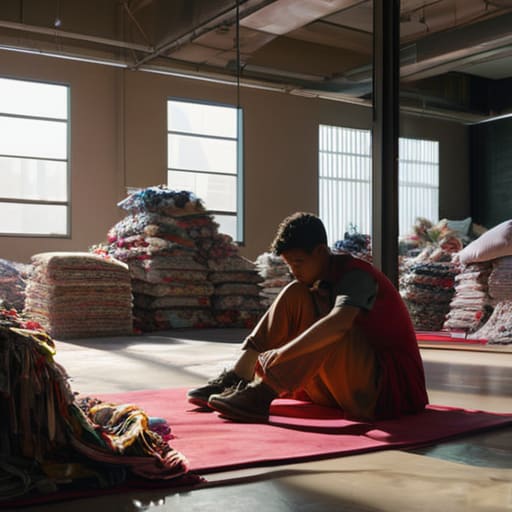
I remember sitting on my studio floor last Tuesday, surrounded by a pile of “bargain” hoodies that had just arrived for a test run. As soon as I turned them inside out—habit, I know—I saw the truth: loose, fraying threads and seams that looked like they were held together by nothing but hope and prayer. It’s the same story every time you try to chase a deal; you think you’re winning, but you’re actually just subsidizing a system built on planned obsolescence. People love to talk about the ethics of it all, but we need to get real about fast fashion and its cost in terms of actual, physical quality. When a garment is engineered to fall apart after three washes, that low price tag is a total lie.
I’m not here to lecture you on being a perfect consumer or to tell you which “sustainable” brand is currently trending on TikTok. Instead, I want to pull back the curtain on the actual construction of these pieces. I’m going to show you how to spot the difference between a decent GSM and a paper-thin disaster, and why a slightly higher upfront price is often the only way to avoid the cycle of constant replacement.
The Hidden Price of Garment Worker Exploitation
When I’m in the studio, I’m usually obsessing over whether a hem is straight or if the tension on my sewing machine is just right, but it’s easy to get tunnel vision. It’s easy to forget that behind every “drop” of ultra-cheap streetwear is a massive, invisible human cost. We talk a lot about the fabric quality, but we don’t talk enough about the people actually pulling the thread. Garment worker exploitation isn’t just a buzzword; it’s the engine that keeps those $10 hoodies possible. When a brand tells you they can ship a new collection every week for the price of a sandwich, they aren’t being efficient—they’re cutting corners on human lives.
I’ve seen how much sweat goes into a single well-made piece, so seeing how the industry treats its makers is gut-wrenching. To keep margins high enough to justify those insane marketing budgets, factories are pushed to the absolute limit. It’s a race to the bottom where safety and fair wages are treated as optional extras rather than the bare minimum. We can’t claim to love “the culture” of clothing if we’re ignoring the fact that the hands making our clothes are being squeezed dry.
Why Cheap Synthetics Mean Microplastic Pollution From Synthetic Fabrics
I’ve spent way too many hours hunched over a screen printer, dealing with the fallout of cheap polyester blends that feel more like plastic bags than actual fabric. When a brand chooses low-grade synthetics just to pad their margins, they aren’t just cutting corners on comfort; they are literally building a pollution engine. Every time you toss one of those flimsy, non-breathable tops into the wash, you’re releasing thousands of tiny fibers into the water system. This microplastic pollution from synthetic fabrics is a silent, invisible byproduct of a system that prioritizes speed over substance.
It’s frustrating because it’s a cycle that’s almost impossible to break once you’re wearing it. These fibers are so small they bypass filtration systems entirely, ending up in our oceans and, eventually, our own food chains. While everyone talks about the environmental impact of textile waste in terms of landfills, we rarely talk about what happens inside the washing machine. If we want to move toward actual sustainable fashion alternatives, we have to stop treating synthetic blends like they’re disposable, because once those fibers are in the water, they aren’t coming back.
How to actually spot a garment that isn't built to fail
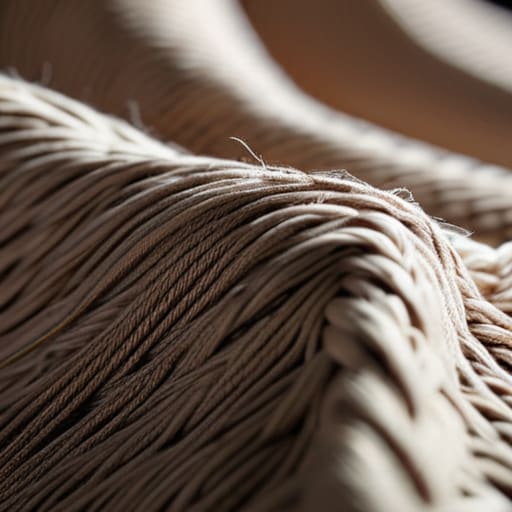
- Stop looking at the model and start looking at the GSM. If a brand won’t tell you the weight of the fabric, they’re likely hiding a paper-thin blank that will lose its shape after one wash. Real quality has some heft to it.
- Turn it inside out. Seriously. I do this with every single piece I source. If the seams are raw, fraying, or held together by loose, single-thread overlocking, put it back on the rack. A good garment is as clean on the inside as it is on the outside.
- Read the fiber content, not the marketing fluff. “Soft-touch blend” is usually code for a mountain of cheap polyester. Look for natural fibers like organic cotton or linen; they breathe better and, more importantly, they don’t shed microplastics every time you toss them in the machine.
- Check the seam allowance. If the fabric is stitched right up to the very edge with no room to breathe, that garment is a ticking time bomb. One accidental tug and the whole seam is going to unspool. You want a bit of structural buffer in there.
- Buy for the construction, not the drop. Trends move faster than I can even finish a print run, but a well-constructed heavy cotton tee will still be in your rotation in three years. If you can’t see how it’s put together, don’t let the hype convince you to buy it.
The Real Cost of That "Steal"
Stop looking at the price tag and start looking at the construction; if the seam allowance is non-existent and the fabric is paper-thin, you aren’t saving money, you’re just buying something destined for a landfill.
High-speed trend cycles rely on cheap synthetics that pollute our water every time you wash them, meaning a “bargain” shirt eventually costs the planet way more than its retail price.
True value lives in the craft, not the hype, so prioritize natural fibers and solid GSM over whatever micro-trend is currently flooding your feed.
Frequently Asked Questions
If I want to stop buying into this cycle, how do I actually tell the difference between a brand that's genuinely sustainable and one that's just using greenwashed marketing?
Look, if a brand’s “sustainability” is just a collection of leafy emojis and vague words like “conscious” or “natural” without any data, run. I always flip a garment inside out first—check the construction. Are the seams finished properly, or is it just raw edges held together by hope? A real sustainable brand will brag about their GSM, their specific fabric certifications (like GOTS), and their supply chain transparency, not just their aesthetic.
Is it actually possible to build a decent wardrobe using only secondhand or vintage pieces, or am I just trading one problem for another?
It’s definitely possible, but you have to look past the “aesthetic” and check the construction. I always turn things inside out first—if the seams are puckering or the stitching is loose, it doesn’t matter how cool the vintage graphic is, it’s going to fall apart. You aren’t just trading one problem for another; you’re actually bypassing the waste cycle. Just hunt for natural fibers and solid weight, not just whatever’s trending on Depop.
When I'm looking at a garment online, what specific technical details should I be checking to make sure the construction isn't going to fall apart after three washes?
Stop looking at the lifestyle shots and start hunting for the specs. First, check the GSM (grams per square meter)—if they don’t list it, they’re likely hiding a flimsy, low-density fabric. Next, look for mention of “reinforced stitching” or “double-needle seams.” If it’s a knit, I want to see “combed cotton” rather than just “cotton.” If the product description is all vibes and zero technical details, it’s probably going to lose its shape by wash three.