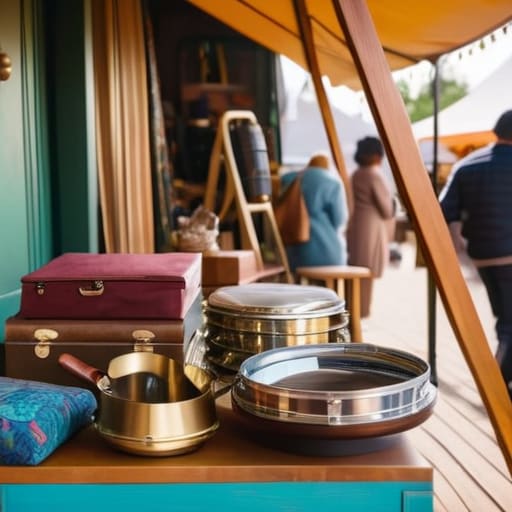
I was digging through a bin of “curated” vintage last week, and honestly, I almost threw the whole rack back. Everyone is talking about the massive secondhand markets growth like it’s this revolutionary shift toward sustainability, but half the time, it just feels like high-priced landfill with a better Instagram filter. We’ve reached this weird point where people are paying premium prices for garments that have zero structural integrity, simply because a reseller slapped a “vintage” tag on a poorly stitched polyester blend. It’s frustrating because the hype is completely masking the actual quality of the pieces being circulated.
I’m not here to give you a lecture on market trends or tell you which apps are trending this week. Instead, I want to teach you how to actually read a garment when you’re hunting. I’m going to show you how to spot a heavy-duty weave from a mile away and why you should care more about the seam construction than the brand name on the neck label. We’re going to look past the aesthetic fluff and figure out how to build a wardrobe that actually lasts.
Analyzing the Pre Owned Goods Market Analysis Without the Fluff

When you look at the pre-owned goods market analysis, most people just see a bunch of teenagers flipping vintage hoodies on Depop. But if you actually peel back the layers, you’re looking at a massive shift in how we value physical objects. It isn’t just a phase; we are seeing a genuine circular economy impact where the lifecycle of a garment is being extended by years, if not decades. I’ve seen too many brands push “limited drops” that are designed to fall apart after three washes, so seeing people pivot toward buying what already exists feels like a much-needed reality check.
The real story here is the resale platform scalability. It’s no longer just dusty bins at a local charity shop; it’s a highly digitized, streamlined machine. These platforms are capturing a segment of the market that used to be invisible, turning what was once “used” into a curated experience. This isn’t just about saving a few bucks on a graphic tee—it’s about a fundamental change in sustainable consumer behavior that prioritizes durability and provenance over whatever the algorithm is screaming about this week.
Why Thrift Economy Expansion Is a Structural Shift Not a Fad
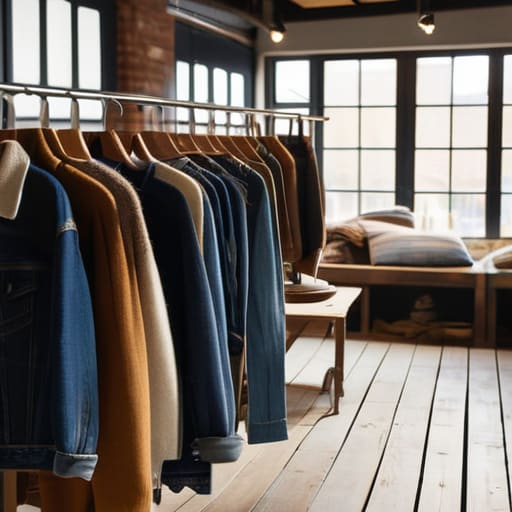
Look, I’ve seen enough “micro-trends” cycle through my studio to know when something is just a flash in the pan. Most people think the thrift boom is just Gen Z hunting for baggy cargos on Depop, but that’s a surface-level take. This isn’t just kids looking for a deal; it’s a fundamental shift in how we interact with the lifecycle of a garment. We are seeing a massive circular economy impact that is actually changing the way supply chains function. It’s no longer about just buying something, wearing it three times, and tossing it—it’s about the item having a secondary, tertiary, and even quaternary life.
The sheer resale platform scalability we’re seeing right now is what proves this is structural. It’s not just local charity shops anymore; it’s a global, digitized infrastructure that makes finding a specific 90s heavyweight cotton tee as easy as ordering new. This isn’t a fad because the mechanics of consumption are being rebuilt from the ground up. We’re moving away from the “take-make-waste” model toward something that actually respects the labor and materials put into every stitch.
How to actually shop the resale boom without getting played
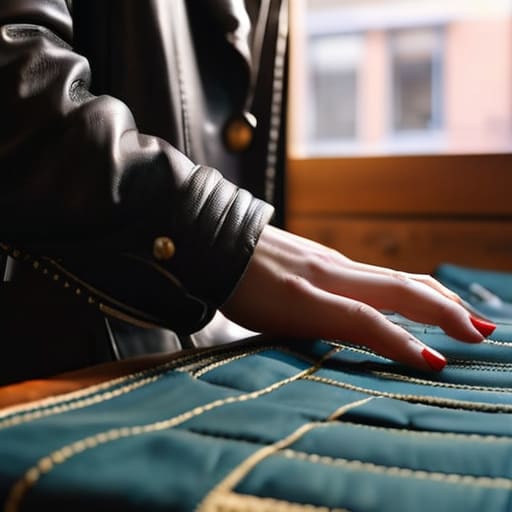
- Stop chasing the “aesthetic” and start checking the GSM. A lot of these resale platforms are flooded with ultra-thin, fast-fashion scraps that look great in a filtered photo but will lose their shape after two washes. If the fabric feels flimsy or lacks weight, walk away.
- Flip the garment inside out before you commit. I do this with everything I produce, and you should too. Check the seam allowance and the finish of the interior; if the stitching is messy or there are loose threads everywhere, it’s not “vintage charm,” it’s just poor construction that won’t survive the resale cycle.
- Learn to read a fabric composition tag like a pro. Don’t just look at the brand name. A 100% cotton heavy-weight tee is going to hold its value and its structure way better than a polyester blend that’s just riding the hype wave.
- Treat hardware as a litmus test for quality. When you’re scouring thrift bins or online marketplaces, feel the zippers and check the buttons. High-quality metal hardware is a massive indicator that the garment was actually built to last, rather than being a piece of disposable marketing.
- Ignore the “trending” tags and look for construction details. The secondhand market is growing because people are realizing that real craft lasts longer than a micro-trend. Look for reinforced stitching, double-needle hems, and substantial weaves—that’s where the real value is hiding.
The Real Bottom Line: What to Actually Look For
Stop chasing the “vintage” label and start checking the construction; a high resale value means nothing if the seam allowance is nonexistent and the fabric is destined for a landfill in six months.
The growth of secondhand isn’t just a Gen Z mood—it’s a structural shift that’s forcing brands to realize that if they don’t build things to last, they’re basically just selling expensive trash.
Don’t get blinded by the hype of “curated” thrift drops; the real value is found in the heavy-weight blanks and well-made garments that actually hold their shape after ten washes.
Frequently Asked Questions
If everyone is buying secondhand now, how can I tell if a "vintage" piece is actually high-quality construction or just fast fashion that’s been sitting in a bin for two years?
Flip it inside out. Seriously. If the seams are raw, wavy, or held together by loose, hairy threads, it’s fast fashion masquerading as “vintage.” I look for tight, consistent stitching and substantial fabric weight. Real vintage pieces have a certain density—they don’t feel like paper. If the garment feels flimsy or the “distressing” looks suspiciously uniform, it’s just landfill with a higher price tag. Check the construction, not the tag.
Is the rise of resale platforms actually helping the environment, or are we just accelerating the cycle of consumption by treating used clothes like new products?
Look, it’s a double-edged sword. On one hand, keeping a high-quality, heavy-weight cotton hoodie in circulation for another five years is a massive win for the planet. But if these platforms just make it feel like “new” shopping—triggering that same dopamine hit to buy more, even if it’s used—then we’re just spinning our wheels. We aren’t saving the world if we’re just accelerating the sheer volume of stuff moving through our closets.
How do I spot the difference between a genuine heavy-weight vintage blank and a modern reproduction that's just being marketed as "retro"?
Don’t let the “vintage wash” tag fool you. First, check the weight; a true heavyweight blank has a density that feels substantial, not just stiff from chemical treatments. I always turn the garment inside out—look at the seams. Genuine vintage usually has single-needle stitching or even slightly uneven tension, whereas modern “retro” repros use perfect, high-speed overlock machines. If it feels too soft and “perfect” right off the rack, it’s probably just cheap fleece with a marketing budget.