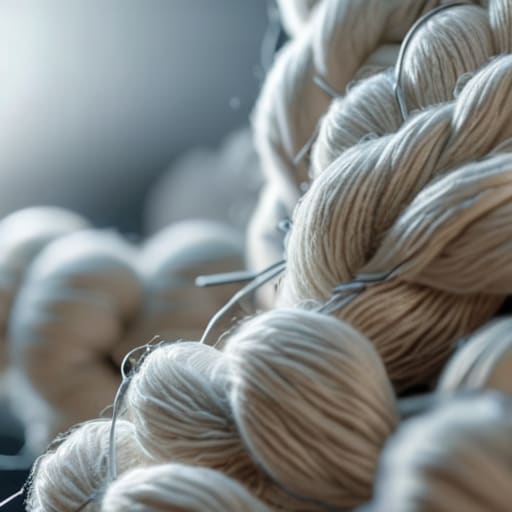
I was pulling a late shift in the studio last month, surrounded by a fresh batch of heavy-weight cotton blanks, when I realized something: most people think a “premium” price tag means a garment will actually stay fresh. It’s a lie. I’ve seen $80 streetwear tees that start smelling like a locker room after exactly two wears because the manufacturer prioritized a specific hand-feel over actual fiber science. People obsess over brand logos, but they completely ignore the brutal reality of how odour and fabric type interact once you actually start living in the clothes. If you’re wearing a cheap polyester blend, that sweat smell is going to stick to those fibers like glue, no matter how many expensive detergents you throw at it.
I’m not here to sell you on a new “scent-locking” laundry hack or some overpriced lifestyle brand. I want to talk about the actual construction—the GSM, the weave, and the chemical makeup of what you’re putting against your skin. I’m going to break down why certain blends are a total waste of your money and which specific fibers actually breathe the best so you can stop replacing your wardrobe every three months.
Breathability of Natural vs Synthetic Fibers Explained
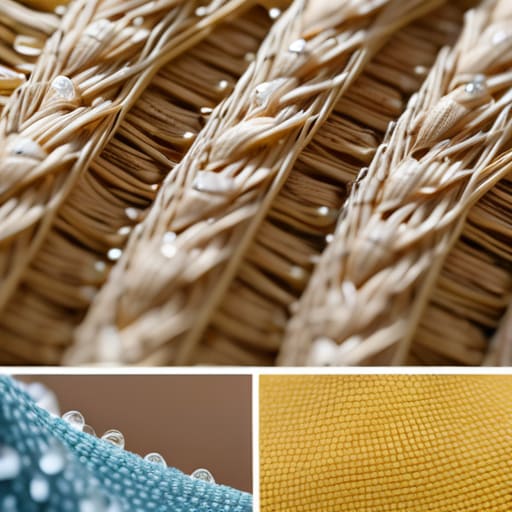
Look, if you’ve ever worn a cheap, 100% polyester gym shirt that felt like you were wearing a literal plastic bag, you already know the struggle. The fundamental issue with the breathability of natural vs synthetic fibers comes down to how the material actually talks to your skin. Cotton and linen are porous; they let air move through the weave and actually help with sweat absorption in clothing. When you sweat, the moisture moves into the fiber, evaporates, and moves on. It’s a cycle that keeps you relatively dry and, more importantly, keeps you from smelling like a locker room by noon.
Synthetics are a different beast. Most cheap activewear is basically just plastic spun into thread. While brands love to brag about their “moisture wicking properties of fabrics,” they often forget to mention that if that moisture doesn’t evaporate instantly, it just sits there. This creates a warm, damp playground for bacteria. When you trap that moisture against your skin, you’re basically inviting microbial growth on textiles, and that is exactly where that sour, unshakeable funk comes from.
Microbial Growth on Textiles and Your Bottom Line
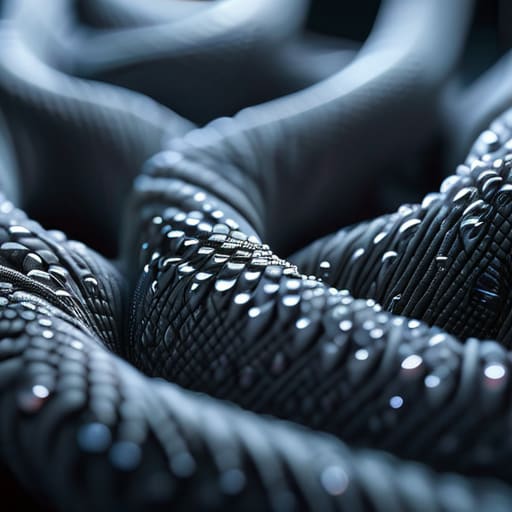
Here’s the thing most brands won’t tell you: once a garment starts smelling, it’s usually because you’ve created a literal petri dish. When we talk about microbial growth on textiles, we aren’t just talking about a bad smell; we’re talking about bacteria feeding on the organic matter trapped in the weave. If you’re printing on low-grade synthetics that don’t have any decent moisture wicking properties, that sweat just sits there, trapped against the skin. Instead of evaporating, it creates a warm, damp environment that bacteria absolutely love.
From a production standpoint, this is where a cheap blank becomes a massive liability. If you’re building a brand on “premium” streetwear but your heavy-weight hoodies start smelling like a locker room after three washes, your reputation is cooked. You can try to lean on fancy odor-resistant clothing technology to mask the issue, but you can’t out-engineer a bad foundation. I’d much rather see you invest in a high-quality cotton that handles sweat absorption in clothing naturally, rather than trying to sell a polyester blend that’s destined to fail the sniff test.
How to actually stop your clothes from smelling like a gym locker
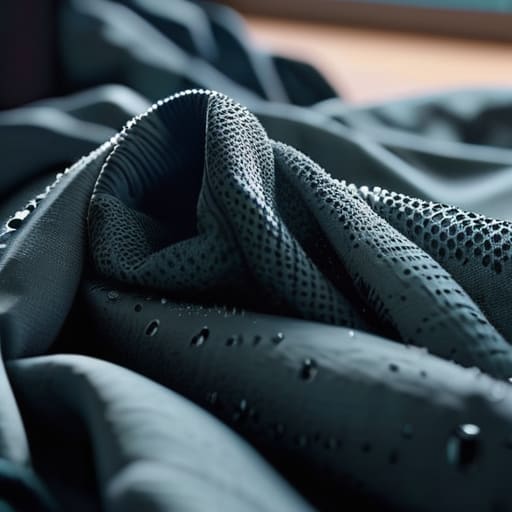
- Stop over-relying on “anti-microbial” sprays. Most of those chemical coatings just sit on the surface and wash off after three cycles, leaving you with a garment that smells just as bad as the cheap polyester it’s made of.
- If you’re printing on heavy-weight cotton, lean into it. High GSM (grams per square meter) isn’t just about that premium, boxy feel; the density of the knit actually helps the fibers breathe better than a thin, low-quality blend that traps heat against your skin.
- Watch out for those “poly-cotton” blends that are more plastic than plant. If the polyester content is too high, it’s basically acting like a sponge for body oils, and once those oils get trapped in the synthetic fibers, a standard wash cycle isn’t going to touch them.
- Check your seam construction. It sounds nerdy, but tight, poorly finished seams in synthetic fabrics can create little pockets where sweat and bacteria get stuck. I always check the inside of a garment first because that’s where the real hygiene battle happens.
- Prioritize long-staple cotton for your blanks. The longer the fibers, the smoother the surface, which means there’s less microscopic “nook and cranny” for bacteria to call home compared to the scratchy, short-staple stuff you see in fast-fashion hauls.
The TL;DR on Fabric and Funk
If you’re building a brand on cheap, high-polyester blends, you’re basically building a house on sand—the sweat and bacteria will trap themselves in those synthetic fibers, and your customers will stop wearing your stuff after three washes because it just smells “off.”
Stop chasing trends and start looking at fiber composition; natural fibers like cotton or linen might cost more upfront, but they breathe, they let odors escape, and they actually keep the garment feeling fresh for longer.
High GSM (grams per square meter) is great for that heavy, premium streetwear drape, but if the weave is too tight or the material is low-quality synthetic, you’re just making a heavy, sweat-trapping sponge that’s going to stink even faster.
Frequently Asked Questions
If I'm stuck using a polyester blend for a specific look, is there any way to stop it from smelling like a locker room after two hours?
Look, if you’re dead set on a poly-blend for that specific drape or sheen, you’re basically playing on hard mode. My best advice? Check the weave. A tighter, high-quality knit is slightly better than a loose, cheap one. Also, look for “moisture-wicking” finishes—it’s still marketing, but it helps move the sweat away from the skin before it can settle into those nasty synthetic fibers. Otherwise, you’re just building a stink trap.
Does a higher GSM actually help with odor, or am I just paying more for a heavier shirt that traps more heat?
It’s a bit of both, honestly. Higher GSM usually means a denser knit, which can actually trap more heat and sweat against your skin—not ideal if you’re prone to smelling. But, if that heavy weight comes from a high-quality 100% cotton, the sheer volume of fiber can help absorb moisture better than a thin, flimsy blend. You aren’t paying for “odor protection,” you’re paying for structural integrity that survives the wash.
Are there specific finishes or treatments that actually work, or is "anti-odor" just another marketing buzzword I should ignore?
Look, some of it is legit, but a lot of it is just expensive laundry detergent in a spray bottle. Silver ion treatments actually do something—they physically mess with the bacteria’s ability to reproduce—but they can wash out after a few dozen cycles. If a brand is screaming “anti-odor” without telling you the actual chemistry or the base fabric, they’re selling you hype. I’d rather invest in high-quality cotton than a chemical coating.