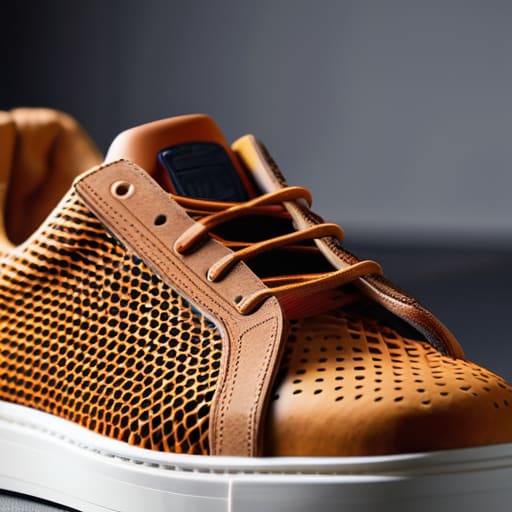
I was hunched over a heavy-duty sewing machine in my first shared studio, surrounded by the smell of industrial dye and burnt polyester, when I realized something: most people are paying a massive premium for nothing. I remember pulling apart a “limited edition” drop that cost me a week’s rent, only to find the interior was a mess of unreinforced plastic and cheap synthetic overlays. It’s infuriating how much marketing gloss is used to hide mediocre sneaker construction and materials. We’ve been conditioned to chase a logo, but if you aren’t looking at the density of the foam or the quality of the grain, you’re basically just donating money to a hype machine.
I’m not here to tell you which colorway is going to be “big” next season; I honestly don’t care about trends. Instead, I want to pull back the curtain and show you what actually makes a shoe hold its shape after a hundred miles of pavement. We’re going to talk about things that actually matter—like midsole compression, stitch integrity, and why certain leathers fail while others age beautifully. My goal is to give you the tools to spot the craft versus the costume so you can finally stop buying shoes that fall apart before the hype even dies down.
Why Breathable Mesh Upper Fabrics Are More Than Just Aesthetics
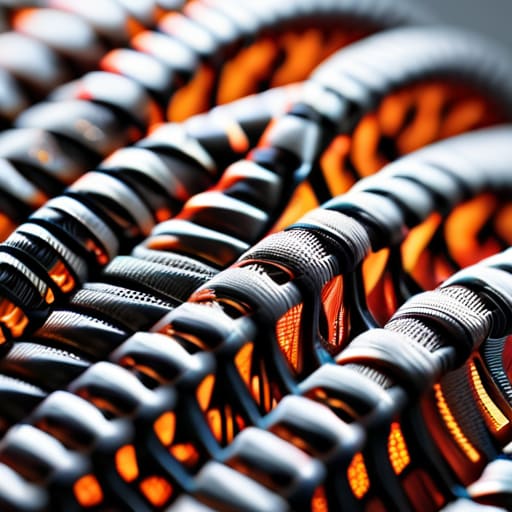
Look, I see people scrolling through feeds, obsessed with the colorway of a new drop, and I just want to shake them. They see a mesh panel and think “oh, that looks sporty,” but they aren’t thinking about the actual thermal regulation happening inside the shoe. When you’re looking at breathable mesh upper fabrics, you aren’t just looking at a texture; you’re looking at the difference between a shoe that feels like a second skin and one that turns your feet into a literal sauna by noon.
In the context of the broader footwear manufacturing process, choosing the right weave density is a massive technical hurdle. If the knit is too tight, it’s basically just a glorified plastic bag; if it’s too loose, you lose all structural integrity and the shoe collapses. I’ve spent way too many hours deconstructing samples where the “breathability” was just a marketing lie covering up cheap, non-porous synthetics. A proper engineered mesh actually manages moisture, which is crucial if you want to avoid that swampy feeling that eventually degrades the internal padding and glue.
Synthetic vs Natural Leather Sneakers the Real Cost of Shortcuts
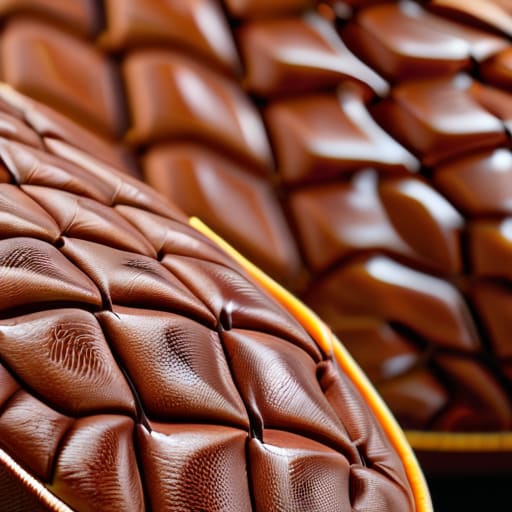
Look, I’ve spent way too many hours in the studio staring at material swatches to not get worked up about this. When you’re looking at the choice between synthetic vs natural leather sneakers, most brands are going to try and sell you on the “vegan” angle as a purely ethical win. And don’t get me wrong, I love a sustainable approach, but in the current footwear manufacturing process, “vegan” is often just code for cheap polyurethane (PU) that’s going to crack and peel the second it hits a humid sidewalk.
Natural leather is a living material; it breathes, it molds to your foot, and it actually develops a patina rather than just looking like trash after a season. When a brand cuts corners with synthetics, they aren’t just saving money on raw materials—they’re sacrificing the structural integrity of the entire upper. You’ll notice it almost immediately: the way the material fails to hold its shape or how the flex points start to flake away. If you want a pair that actually survives your daily rotation, you have to look past the shiny marketing and check the grain.
Stop looking at the logo and start looking at the build
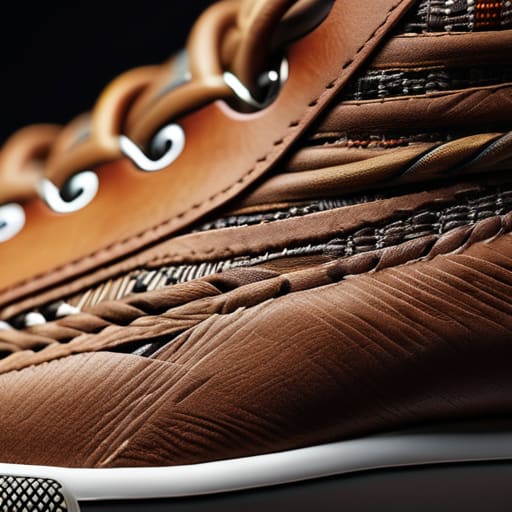
- Check the stitch density. If the thread looks like it’s struggling to hold two pieces of material together, or if you see uneven gaps between the stitches, walk away. High-quality construction means tight, consistent stitching that won’t unravel the second you hit a curb.
- Feel the weight of the sole. I’m not saying heavy is always better, but if a sneaker feels like it’s made of cheap, hollowed-out foam, it’s going to compress and lose its shape within weeks. You want a midsole that actually has some structural integrity.
- Inspect the eyelets and lace loops. This is where most brands cut corners to save a few cents. If they’re just flimsy plastic or thinly glued fabric, they’re going to tear. Look for reinforced metal eyelets or extra layers of material where the tension is highest.
- Turn them over and look at the heel counter. A good sneaker needs a reinforced internal structure in the heel to keep your foot stable. If the back of the shoe feels as soft and floppy as a cheap sock, it’s going to give you zero support and likely cause blisters.
- Don’t get fooled by “vegan leather” that feels like plastic wrap. Unless it’s a high-end bio-based material, most of that stuff is just polyurethane (PU) that will crack and peel once it gets warm. If it doesn’t have a natural grain or a substantial weight, it’s just glorified plastic.
The real stuff you should be looking for
Stop obsessing over the colorway and start checking the leather grade; if it feels like plastic or peels after a month, it’s just cheap synthetic masquerading as premium.
Don’t let a “breathable” label fool you—real airflow comes from high-quality mesh density and structural integrity, not just a fancy marketing term on the box.
Construction is everything, so look past the hype and check the stitching and material composition to see if the shoe is actually built to last or just designed to look good in a photo.
Frequently Asked Questions
If I'm looking for longevity, should I be obsessing over the outsole rubber density or the way the upper is actually attached to the midsole?
Honestly, don’t get distracted by the rubber density. A dense outsole is great, but if the upper is just slapped onto the midsole with cheap, thin glue, that shoe is going to delaminate the second you hit a heavy rain or a long walk. I’d obsess over the construction instead—look for proper stitching or a robust cupsole. If the bond between the upper and the sole is weak, all the high-grade rubber in the world won’t save it.
How can I tell if a "premium" sneaker is actually using high-quality stitching or if they're just hiding sloppy seam allowances under layers of branding?
Flip the shoe over—literally. If they’re hiding sloppy work, they’ll hide it under the branding, but they can’t hide the tension. Look for “stitch density”: you want tight, even, and consistent loops. If the thread looks like it’s fighting the leather or if you see gaps where the seam allowance is uneven, run. A premium build shouldn’t have puckered edges or loose ends hanging out. If the stitching looks rushed, the shoe is too.
Is it actually worth paying the markup for technical knit uppers, or is that just another way for brands to charge more for less material?
Look, I get why you’re skeptical. When a brand slaps “engineered knit” on a box, my first instinct is to check the seam allowance. Is it actual innovation or just a way to save on leather scraps? Honestly, it’s a toss-up. A high-quality, multi-density knit can offer incredible zonal support and breathability, but a lot of the time, you’re just paying for the “tech” label on a glorified sock. Check the tension; if it’s flimsy, skip it.