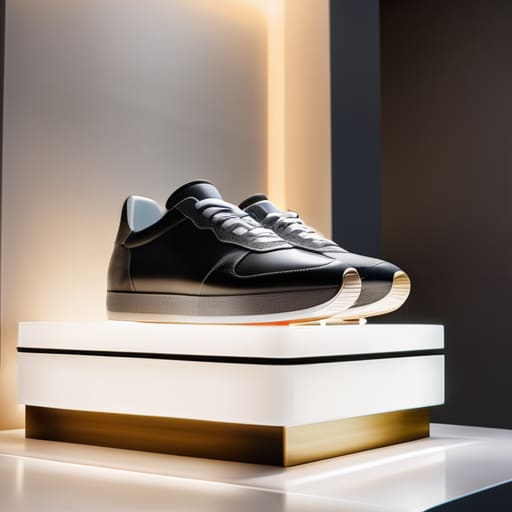
I was sitting in a cramped, humid studio last summer, staring at a stack of “limited edition” drops that had arrived for a client, and honestly? I just wanted to laugh. Everyone was losing their minds over the resale value and the colorways, but I couldn’t stop looking at the sloppy glue lines and the cheap, synthetic overlays masquerading as premium leather. We’ve been conditioned to think that a high price tag or a celebrity endorsement equals quality, but that’s just a distraction from the lack of actual craftsmanship. If you want to actually understand sneaker culture basics, you have to stop looking at the hype-driven price charts and start looking at the construction.
I’m not here to tell you which pair is going to trend on TikTok next week or how to flip shoes for a profit. My goal is to pull back the curtain and show you what’s actually happening under the hood. We’re going to talk about things like midsole density, leather grades, and why that “vintage” look is often just a mask for poorly executed finishes. I promise to give you the technical breakdown you actually need so you can stop paying for marketing and start investing in gear that actually lasts.
The Real Sneakerhead Terminology Guide for Material Nerds
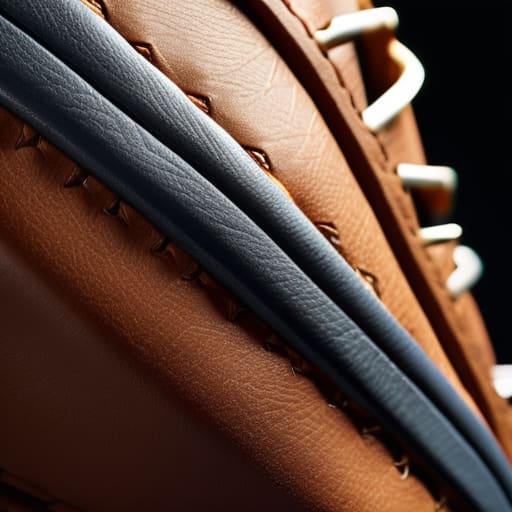
If you’re looking for a sneakerhead terminology guide that just tells you which colors are “fire” or which drop is “lit,” you’re in the wrong place. I don’t care about the slang used to pump up the resale market; I care about what’s actually happening under the surface. When people talk about “premium” builds, I want to know if we’re talking about full-grain leather or just some heavily corrected corrected-grain stuff that’s going to crack after three wears.
You need to start looking at the technical specifications of the build. Instead of obsessing over the hype, look for terms like “molded midsoles” versus “cup soles,” or the difference between “suede” and “nubuck.” One is a natural finish, and the other is often a chemically treated surface meant to mimic a texture. If you want to know how to start a sneaker collection that actually holds its value through longevity rather than just social media clout, you have to learn to read the materials like a pattern cutter reads a spec sheet. Stop looking at the logo and start looking at the tensile strength of the stitching.
Sneaker Authentication Tips Spotting Cheap Materials and Fakes
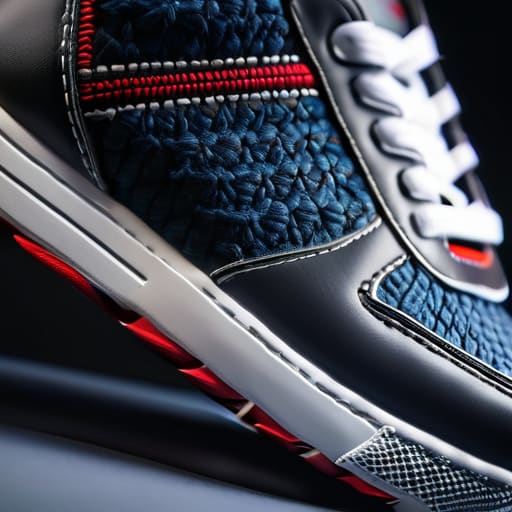
Look, I’m going to be real with you: most people try to authenticate sneakers by staring at the logo or checking the box, but that’s exactly what scammers count on. If you want to actually protect your investment, you have to stop looking at the hype and start looking at the structural integrity. I always flip my shoes inside out or look at the inner lining first. In a real pair, the interior stitching should be tight, consistent, and—this is huge—completely clean. If you see loose threads or uneven “stair-stepping” in the seams, you’re looking at a mass-produced knockoff that used cheap glue instead of proper construction.
Next, get your hands on the materials. Fakes almost always use a synthetic “corrected grain” leather that feels plasticky and smells like chemicals. A genuine pair should have a specific weight and a natural texture that reacts to light differently. When you’re navigating sneaker authentication tips, pay attention to the scent and the “hand-feel” of the suede or nubuck. If the material feels stiff or looks unnaturally uniform, it’s a red flag. Don’t let the brand name blind you; the quality is always in the details.
Stop Chasing the Drop: 5 Ways to Actually Build a Collection

- Prioritize the build, not the branding. Before you get swept up in a limited release, look at the construction. Is the leather going to crease like paper in two weeks, or is it a heavy-duty grain that actually holds its shape? If the materials feel thin or plasticky, no amount of hype is going to make them worth the resale markup.
- Learn to read the “recipe.” Just like I look at GSM for my t-shirts, you need to look at the components of a shoe. Is it a cupsole or a vulcanized construction? One is built for durability and structure, the other is for a specific aesthetic. Know what you’re paying for so you don’t end up with a shoe that falls apart after a month of walking.
- Respect the aging process. A huge part of the culture is how a shoe wears in. I love my old nineties band tees because they’ve developed character, and sneakers are the same. Don’t be afraid of a little natural creasing or a bit of patina on the suede—it shows the shoe has a history, rather than just sitting dead in a plastic box.
- Invest in proper maintenance, not just cleaning kits. Everyone buys the fancy foam cleaners, but if you aren’t using cedar shoe trees or even just some acid-free tissue paper to hold the shape, you’re wasting your time. Proper storage is the difference between a shoe that lasts three years and one that looks like a crumpled mess in six months.
- Understand the “why” behind the hype. Most “must-have” sneakers are just clever marketing cycles designed to make you feel like you’re missing out. Before you tap your card, ask yourself: do I actually like the silhouette and the way it’s put together, or am I just reacting to a curated Instagram feed?
The Bottom Line: Stop Buying the Hype, Start Buying the Build
Stop letting a logo dictate your budget; a high-quality leather upper and solid stitching will outlast a “limited edition” pair made of cheap synthetic scraps every single time.
Learn to read the construction, not the marketing—pay attention to how the midsole is bonded and the quality of the eyelets, because that’s where the real cost of a sneaker lives.
Invest in longevity over trends—if you understand the materials, you can build a rotation that actually lasts years instead of just surviving one hype cycle.
Frequently Asked Questions
If I'm looking for longevity rather than resale value, what specific construction methods should I be checking for on the outsole?
If you’re done chasing the resale pump and actually want shoes that survive a walk to the studio, look at how the sole is attached. Avoid glued-on rubber soles that peel like a bad sticker after three months. You want to see stitching—specifically cupsole construction or a Goodyear welt if you’re going high-end. If the outsole is stitched directly to the upper, it’s not going anywhere. It’s more work to make, but it actually lasts.
How much does the "story" or the designer's collaboration actually impact the physical quality of the materials used?
Honestly? Usually not as much as the marketing department wants you to think. A high-profile collab often just means a different colorway or a logo swap on a standard silhouette. Don’t mistake a “story” for better construction. Sometimes, the hype actually masks a dip in quality because the brand knows you’ll buy it regardless of the stitching. If the price jumps 3x but the leather grade and GSM stay the same, you’re just paying for the narrative.
Is there a way to tell if a sneaker is actually built to last, or is it just high-quality leather masking a cheap, glued-together midsole?
Look, don’t let a nice grain of leather distract you from a garbage construction. Flip the shoe over. If the midsole is just slapped on with a thin layer of adhesive and shows zero signs of a stitched welt or a solid cupsole, it’s going to delaminate the second you hit a heavy rain. Check the flex points; if the upper feels stiff but the sole feels like cheap EVA foam, you’re just paying for a pretty skin on a disposable frame.