
I was sitting in a cramped, humid shared studio three years ago, staring at a “premium” heavyweight hoodie that had just fallen apart at the shoulder seams during a test wash. The brand’s website was full of flowery language about “ethical sourcing” and “curated collections,” but they hadn’t mentioned a single thing about the actual construction. It’s the same nonsense I see everywhere now—brands using vague buzzwords to mask a total lack of transparency about production. They want you to buy into the aesthetic of quality without ever actually showing you the stitching, the tension of the thread, or where that fabric actually came from.
I’m not here to sell you on a lifestyle or tell you which colorway is going to be “viral” next month. Instead, I want to pull back the curtain on the messy, technical reality of how clothes are actually built. We’re going to skip the marketing fluff and get into the weeds of what matters: things like fabric weight, seam integrity, and why a slightly higher price tag for a better blank is actually a better long-term investment.
Why Supply Chain Visibility Trumps Seasonal Trends
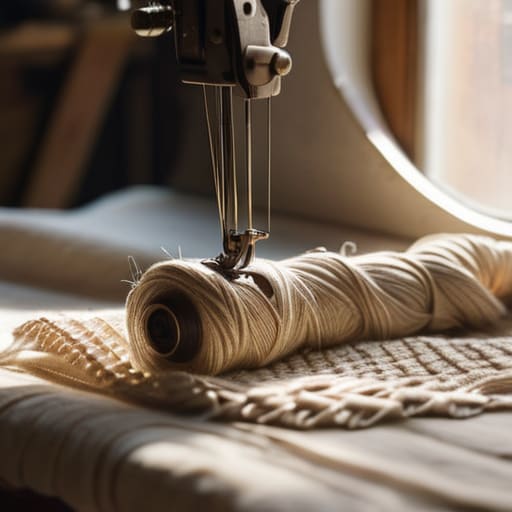
Look, I get it. Every time you scroll through your feed, there’s a new “must-have” silhouette or a color palette that’s supposedly going to define the next six months. But honestly? Chasing those cycles is how you end up with a closet full of clothes that fall apart after three washes. I’ve spent too many late nights in the studio staring at poorly constructed hems to fall for the hype. While everyone else is obsessing over what’s “in,” I’m looking at traceability in production. If a brand can’t tell you where the cotton was spun or who actually sat at the sewing machine, that “trend” is basically a ticking time bomb for your wallet.
The real value isn’t in the aesthetic; it’s in the integrity of the build. When a company actually invests in supply chain visibility, they aren’t just checking a box for a marketing campaign—they’re proving that the garment can actually survive a washing machine. I’d much rather own one heavy-duty, well-constructed hoodie than ten “viral” tees that lose their shape before the season even ends. It’s about shifting the focus from what looks good on a screen to how a piece is actually constructed.
The High Price of Ignoring Traceability in Production
Look, it’s easy to slap a “sustainable” tag on a hangtag and call it a day, but that’s where the real cost starts to hide. When a brand can’t tell you exactly which mill spun their cotton or where their dye house is located, they aren’t just being vague—they’re dodging accountability. I’ve seen too many small labels try to scale by cutting corners on traceability in production, only to realize later that their “eco-friendly” supplier was actually dumping chemicals into a local river. Once that connection is severed, you aren’t just losing data; you’re losing the ability to stand behind your work.
If you don’t have a handle on your origins, you’re basically building your entire business on a foundation of sand. Without actual manufacturing process openness, you’re one investigative report away from a total collapse of consumer trust and disclosure. It’s not just about being “good”; it’s about the fact that if you don’t know your own history, you can’t fix your mistakes when they inevitably happen. I’d rather spend my time auditing a single seam than pretending a lack of knowledge is somehow a stylistic choice.
How to actually show your work (without the marketing fluff)

- Stop hiding behind “Made in [Country]” labels. If you want people to trust you, tell them which factory actually cut the fabric and what the working conditions are like. A vague location is just a way to avoid a hard question.
- Show the technical specs, not just the aesthetic. Don’t just say a hoodie is “premium”; tell me the GSM, the fiber composition, and whether it’s single-stitch or overlocked. If you aren’t willing to talk about the construction, you’re probably hiding a cheap blank.
- Document the failures, too. Real production is messy. If a dye lot comes out slightly off or a sample fails a wash test, show that. It proves you’re actually inspecting the goods instead of just shipping whatever arrives in the box.
- Audit your trim and notions. Transparency doesn’t stop at the main fabric. If you’re using recycled polyester for the zippers or organic cotton for the neck tape, say so. The small details are usually where the “eco-friendly” claims fall apart.
- Map out your tier-one and tier-two suppliers. Most brands only know who they buy the finished shirt from, but true transparency means knowing where the yarn was spun and where the raw cotton was picked. If you don’t know, find out.
The Real Cost of Keeping it Vague
Stop chasing the “drop” and start looking at the specs; a trend lasts a month, but knowing your GSM and construction details tells you if a piece is actually worth the money.
If a brand can’t tell you exactly where their fabric came from or who cut the patterns, they aren’t being “exclusive”—they’re just hiding a messy supply chain.
Real quality is found in the stuff you don’t see at first glance, like proper seam allowances and reinforced stitching, not in a flashy logo or a viral marketing campaign.
Frequently Asked Questions
How do I actually tell if a brand is being transparent or if they're just using "sustainability" as a marketing buzzword?
Look, if a brand uses words like “ethical” or “eco-friendly” without backing them up with actual data, they’re just selling you a vibe. It’s pure marketing fluff. Real transparency is boring—it’s lists of specific factories, names of mills, and actual certifications like GOTS. If they can’t tell you the exact GSM of their cotton or where their seamstresses are located, they aren’t being transparent; they’re just being loud.
Is it actually possible to track every single component of a garment, like the thread and the buttons, or is that just wishful thinking?
Honestly? It’s a massive headache, but it’s not just wishful thinking. Tracking the main fabric is one thing, but getting a paper trail for every single spool of polyester thread or those tiny plastic buttons is where things get messy. Most brands stop at the fabric because, frankly, the math gets complicated. But if you actually want to know if your trims are recycled or just cheap landfill fodder, you have to push for it.
If I'm looking for better quality, what specific technical specs should I be asking a producer for instead of just looking at the brand name?
Stop looking at the logo and start asking for the numbers. First, demand the GSM (grams per square meter)—that tells you if a tee is a flimsy undershirt or a heavy, structured piece. Then, ask about the yarn count and whether they’re using combed cotton or something rougher. Don’t forget the construction: ask about stitch density and seam allowances. If a producer can’t give you those specs, they’re selling you hype, not quality.