I remember sitting on a milk crate in a cramped, humid studio last summer, staring at a pile of “limited edition” hoodies from a local collab that had just arrived. I didn’t even have to touch them to know they were bad; the way the light hit the fabric screamed low-density polyester. It was a classic case of a brand chasing clout through collaborations for small brands without actually checking if the garment could survive a single wash cycle. They spent their entire budget on the “hype” of the partnership and forgot that at the end of the day, people are just buying physical objects that need to hold their shape.
I’m not here to give you a roadmap on how to “maximize brand synergy” or whatever buzzword some marketing agency cooked up this morning. Instead, I want to talk about how to actually partner with people without sacrificing your technical integrity. We’re going to look at how to vet a partner’s manufacturing standards, why matching your GSM is more important than matching your aesthetic, and how to ensure your collaborative pieces actually live up to the craft you’ve worked so hard to build.
Matching Brand Partnership Strategies to Your Actual Product Integrity
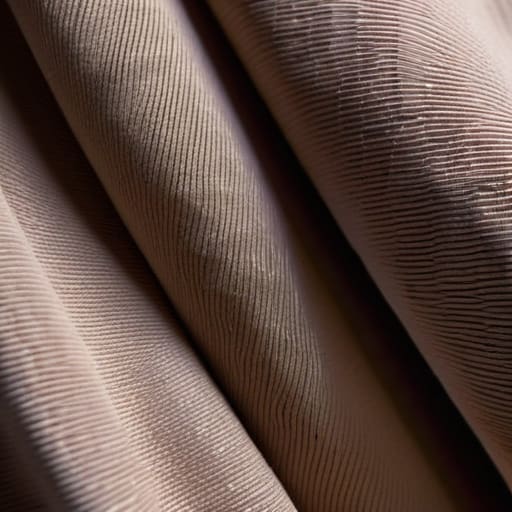
Look, I’ve seen so many tiny labels blow their entire seed budget on influencer marketing for startups, only to realize they’ve partnered with someone whose aesthetic is “fast fashion” while their own product is “slow craft.” It’s a disaster. If you’re out here making heavy-weight, 400 GSM hoodies with reinforced stitching, you cannot be doing cross-promotion tactics with a brand that uses paper-thin, single-stitch blanks. The moment your customer touches that partner’s garment, your own quality is instantly devalued in their mind. You aren’t just sharing an audience; you are sharing a physical standard.
When you’re looking at brand partnership strategies, stop looking at follower counts and start looking at construction. I’d much rather see a small-scale co-branding project with a local workshop that actually understands tension and seam allowance than a massive shoutout from a creator who wouldn’t know a French seam from a hole in the ground. You have to ensure the material integrity of both parties aligns. If the hands that made the clothes don’t respect the fabric, your reputation is going to take the hit.
Why Influencer Marketing for Startups Fails Without Technical Alignment
Look, I see it all the time on my feed: a tiny brand spends their entire seed funding on influencer marketing for startups, sends out fifty hoodies, and then wonders why the comments are full of people complaining about shrinkage after one wash. If you’re sending a garment to a creator that has a wonky side seam or a neck rib that loses its shape the second it touches water, you aren’t building hype—you’re just paying to broadcast your flaws. You can have the most aesthetic unboxing video in the world, but if the technical construction doesn’t hold up to the hype, that influencer’s audience will sniff out the lack of quality immediately.
When you’re looking at micro-influencer outreach, stop looking at their follower count and start looking at how they actually treat their clothes. Do they wear their pieces for months, or is it just a quick “fit check” before the item gets tossed in the laundry pile? You need to find people who actually care about the weight of a heavy fleece or the way a specific drape hits. Effective brand partnership strategies only work when the person representing you actually respects the craft; otherwise, you’re just subsidizing a very expensive lesson in bad first impressions.
Stop chasing clout and start checking the specs
- Audit their construction before you sign anything. If you’re a brand that prides itself on heavy 300 GSM French terry and your partner uses those paper-thin, scratchy blanks that lose their shape after one wash, you aren’t collaborating—you’re sabotaging your own reputation.
- Look for technical synergy, not just aesthetic vibes. A collab with a graphic artist is great, but if they don’t understand how a print sits on a curved seam or how a specific ink reacts to a heavy weave, the final product is going to look amateur.
- Don’t let “limited edition” become an excuse for cutting corners. I see so many brands use the hype of a drop to justify skipping the proper finishing touches, like overlocking or reinforced necklines. If it’s a collab, it should actually be better than your standard run, not just rarer.
- Vet their supply chain as much as their Instagram feed. If you’re trying to build a brand based on longevity and craft, partnering with someone who relies on fast-fashion cycles will make your mission statement look like a lie.
- Prioritize the “inside-out” test. When you get your samples, flip them inside out immediately. If the seam allowances are messy or the thread tension is all wrong, it doesn’t matter how cool the logo looks on the chest; the garment is trash and your customers will know.
The Bottom Line on Not Ruining Your Reputation
Stop chasing clout with brands that use paper-thin, low-GSM blanks; if their quality is trash, your customers won’t care about the “cool” logo—they’ll just notice the shirt shrunk after one wash.
A collaboration is a technical handshake, not just a social media post, so make sure your seam allowances and construction methods actually align with the partner you’re choosing.
If you can’t defend the actual craft behind the partnership, you’re just participating in the hype cycle, and that’s a fast way to lose the trust of people who actually care about how clothes are made.
Frequently Asked Questions
How do I actually vet a potential partner's manufacturing standards without looking like I'm being a total snob?
Look, you aren’t being a snob; you’re being a professional. If you want to vet them without sounding like a gatekeeper, just frame it as “quality control alignment.” Ask for their tech packs or a sample of a core piece. Don’t just ask if it’s “good”—ask about their stitch density or what weight of fleece they usually run. If they get defensive about technical specs, that’s your red flag right there.
If I'm working with a larger brand that uses heavy-weight blanks, how do I ensure my specific design doesn't get lost in their production process?
If you’re playing in the big leagues with heavy-weight blanks, the biggest risk is your design getting swallowed by that fabric density. A thick 400 GSM hoodie is a beast; if your print is too thin or your embroidery is too shallow, it’ll just look like a sticker peeling off a wall. You have to demand a technical spec sheet. Check the ink penetration and make sure your artwork isn’t getting lost in the pile of the fleece.
At what point does a collaboration stop being about the craft and just become a way to offload deadstock?
It stops being about craft the second the design process is dictated by what’s sitting in the corner of the studio rather than what actually needs to exist. If you’re choosing a silhouette or a colorway just because you have fifty yards of leftover polyester-blend scraps you need to move, you aren’t collaborating—you’re liquidating. A real partnership should push the technical boundaries of the garment, not just provide a convenient exit strategy for your inventory mistakes.