
I was standing in a shared studio three years ago, staring at a “limited edition” heavyweight hoodie that cost more than my monthly rent, only to realize the inside was a mess of loose threads and uneven seam allowances. It was the ultimate bait-and-switch: the brand had spent a fortune on a grainy, lo-fi photoshoot to signal “street credibility,” but they hadn’t spent a cent on the actual construction. This is the problem with the way we talk about authenticity and its performance lately; we’ve turned it into a visual aesthetic you can buy, rather than a standard of how a garment actually holds up after ten washes.
I’m not here to sell you on a vibe or tell you which logo is “in” this season. My goal is to pull back the curtain on the gap between marketing theater and actual craft. I want to show you how to spot the difference between a brand that actually cares about its construction and one that’s just using “authenticity” as a costume to hide a low-quality blank. We’re going to talk about GSM, stitch density, and why the most “authentic” piece in your closet is usually the one that was built to actually last.
The Real Cost of Faking Brand Authenticity in Marketing
Here’s the thing: you can spend six months perfecting a “heritage” aesthetic, using grainy film photography and lo-fi typography to look like you’ve been around since the nineties, but if the garment itself is trash, the facade crumbles. I’ve seen so many brands try to perform a sense of history that they haven’t actually earned. When you use high-concept storytelling to mask a low-quality product, you aren’t just lying; you’re setting a trap for your own reputation. The impact of perceived authenticity on sales might give you a nice spike during a launch, but that high is incredibly short-lived.
Once that first customer feels a flimsy, unevenly stitched hem or notices the print cracking after two washes, the illusion is dead. You can’t “marketing” your way out of a bad construction. This is where consumer trust and brand perception really take a hit; people don’t just feel cheated by the price, they feel insulted by the lack of substance. If you want to build something that actually lasts, stop focusing on the vibe and start focusing on the specs. Real loyalty isn’t built on a curated Instagram feed; it’s built on the fact that your clothes actually do what they say they’ll do.
Building Consumer Loyalty Through Truthfulness Not Trends
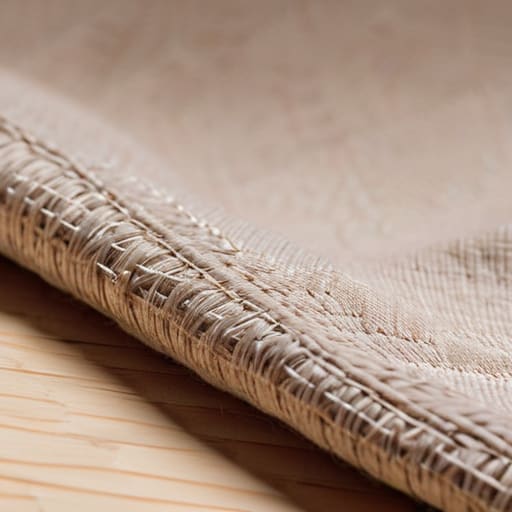
Look, I’ve seen it a hundred times: a brand drops a “limited edition” collection that’s basically just a logo slapped on a standard wholesale blank, and they expect us to treat it like a cultural moment. But here’s the thing—you can’t manufacture a connection through a curated Instagram feed if the actual product fails the touch test. Building consumer loyalty through truthfulness isn’t about having the perfect aesthetic; it’s about making sure the garment actually lives up to the story you’re telling. If you claim your pieces are “built to last” but your side seams are puckering after three washes, you haven’t just lost a sale; you’ve nuked your reputation.
When you stop chasing every micro-trend and start focusing on the actual construction, you shift the conversation from hype to substance. This is where the real magic happens in terms of consumer trust and brand perception. When a customer realizes that your brand actually cares about the weight of the fleece or the precision of the stitch, they stop being just a follower and start becoming a regular. You aren’t just selling them a piece of clothing; you’re offering them a piece of your process that they can actually rely on.
How to actually back up your claims (without the marketing fluff)
- Stop using “premium” as a catch-all. If you say your blanks are premium, I better see a higher GSM and a tighter knit when I hold them up to the light. If you can’t name the weight or the construction, you’re just using a buzzword to hide a cheap garment.
- Show the messy parts of the process. Real craft isn’t a polished 15-second reel with a lo-fi beat; it’s showing the ink stains on the table, the failed sample runs, and the actual pattern cutting. People can smell a curated “aesthetic” from a mile away.
- Make your technical specs public. I’m tired of brands gatekeeping why their stuff is better. Tell us about your seam allowances, your fabric sourcing, and your wash cycles. Transparency isn’t a marketing strategy; it’s just being honest about what you’ve built.
- Align your packaging with your product. There is nothing that kills a brand’s vibe faster than a high-quality, heavy-duty garment arriving in a single-use, flimsy plastic bag that feels like it’s going to rip. If the clothes are built to last, the presentation should respect that.
- Prioritize durability over “drops.” The trend cycle is exhausting and, frankly, wasteful. If you want to be seen as an authentic brand, build pieces that people actually want to wear five years from now, not just pieces that look good in a single Instagram post.
The Bottom Line: Craft Over Clout
Stop trying to “perform” authenticity through lifestyle shoots if your actual product can’t stand up to a wash cycle; real trust is built in the details like seam strength and fabric weight, not in a curated Instagram aesthetic.
Trends are expensive and temporary, but transparency is a long-term investment—when you’re honest about your sourcing and your margins, you aren’t just selling a garment, you’re building a community that actually gives a damn.
If you want to survive the hype cycle, prioritize the technical reality of your clothes; a customer might buy a “vibe” once, but they only come back when the GSM is right and the fit actually holds up.
Frequently Asked Questions
If a brand uses high-quality blanks but still relies on heavy influencer hype to sell them, are they actually being authentic or just good at marketing?
Look, it’s a bit of both, but let’s call it what it is: high-level window dressing. Using a heavy 300 GSM blank is a solid foundation—it means the garment won’t fall apart after three washes—but hype alone isn’t soul. If they’re using influencers to mask a lack of actual brand identity, they’re just selling a premium product through a cheap megaphone. Good materials are the baseline, not the whole story.
How can I actually tell if a brand’s "commitment to craft" is real or just a tagline used to justify a massive markup?
Stop looking at the “About Us” page and start looking at the seams. If a brand claims “craftsmanship” but uses overlocked edges that look like they were rushed through a high-speed machine, they’re lying. Check the weight—is that heavy GSM actually there, or is it just a stiff, cheap blend? Look for finished internal seams and thoughtful pattern cutting. If the “story” is beautiful but the garment feels flimsy, you’re just paying for a very expensive tagline.
Is it possible for a brand to be truly authentic if they are constantly chasing seasonal trends to stay relevant?
Look, I’ll be real: if you’re pivoting your entire production line every time a new micro-trend hits TikTok, you aren’t being authentic—you’re just reacting. There’s a massive difference between staying current and being a slave to the cycle. To me, authenticity is about having a core DNA. If your “identity” changes based on what’s trending, you don’t actually have one. Real craft stays consistent; it just finds new ways to express itself.