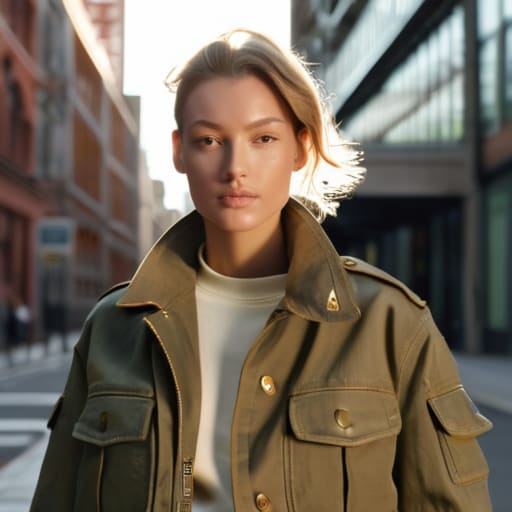
I was hunched over a heavy-duty sewing machine in my first shared studio, trying to figure out why a “vintage-inspired” field jacket I’d just bought was shredding at the seams after a single wash. It was a total joke—the brand had slapped a high price tag on it, but the stitching was basically decorative and the cotton was so thin it felt like paper. This is exactly what happens when people treat military surplus in fashion as just another aesthetic to buy into from a fast-fashion giant. They sell you the look of ruggedness without any of the actual durability that makes surplus gear worth having in the first place.
I’m not here to tell you which influencers are wearing M65 jackets this season; I honestly couldn’t care less about the hype cycle. Instead, I want to talk about what actually matters: the weight of the canvas, the integrity of the ripstop weave, and why a genuine surplus piece will outlast ten of your trendy new arrivals. I’m going to show you how to look past the marketing and identify the real construction quality that makes these garments worth the hunt.
Evaluating Fabric Integrity and Military Garment History
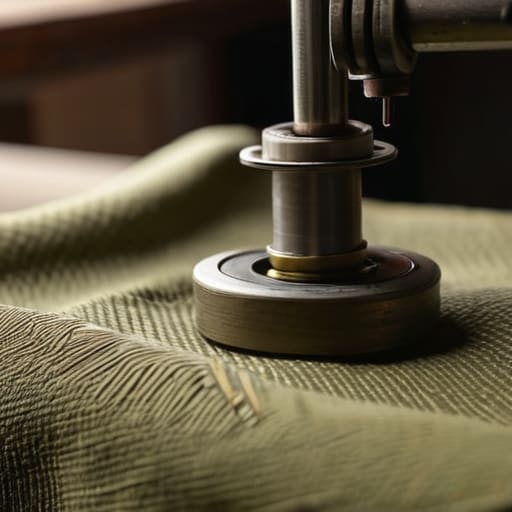
When you’re digging through a bin of old surplus, you have to look past the immediate visual of the vintage army aesthetic and actually touch the material. I’ve spent way too many hours in the studio feeling the difference between a high-quality, heavy-duty sateen and the flimsy, synthetic blends that modern fast-fashion brands try to pass off as “tactical.” Real military garment history isn’t just about the patches or the olive drab color; it’s about the fact that these pieces were engineered to survive extreme friction and repetitive washing. If the weave feels thin or if the thread looks like it’s going to snap the second you put it on, it’s not “rugged”—it’s just poorly made.
I’m always more interested in the construction than the silhouette. I want to see reinforced stitching at the stress points and heavy-duty zippers that don’t snag every five minutes. While everyone is chasing utilitarian streetwear trends, most people are forgetting that the original purpose of these garments was sheer durability. I’d much rather find a weathered M-65 with a thick, structural hand-feel than a trendy reproduction that falls apart after three months of actual wear.
Why Utilitarian Streetwear Trends Fail on Poor Construction
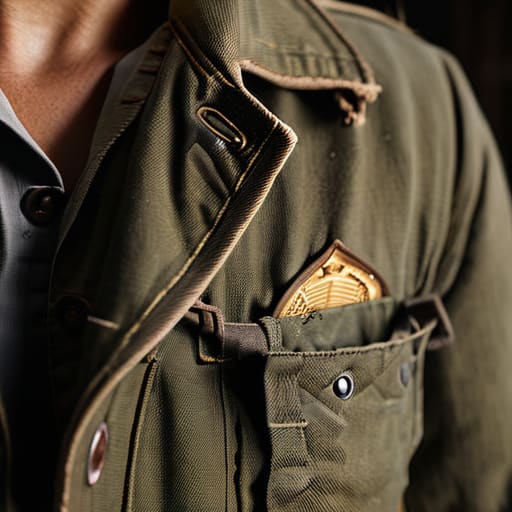
The problem with most current utilitarian streetwear trends is that they’re essentially just cosplay. Brands see the tactical clothing influence sweeping through high-street windows and think they can just slap a few unnecessary cargo pockets onto a flimsy, lightweight polyester blend and call it “rugged.” It’s frustrating to watch. When you’re looking at a piece designed to mimic the vintage army aesthetic, you have to look past the silhouette. If the fabric doesn’t have the structural integrity to hold those heavy pockets without sagging, the whole look falls apart within three washes.
I’ve spent way too many hours at my cutting table seeing how a lack of proper reinforcement ruins a garment. Real military gear was built for high-stress environments, meaning reinforced stitching at the stress points and heavy-duty hardware. Most fast-fashion versions skip the double-needle topstitching and use cheap, plastic zippers that snag the moment you actually try to wear them. If you’re investing in this look, don’t get distracted by the hype; check the seam density and hardware quality first. Otherwise, you aren’t buying a piece of history—you’re just buying a costume that won’t last the season.
How to tell if you're buying a piece of history or just overpriced landfill
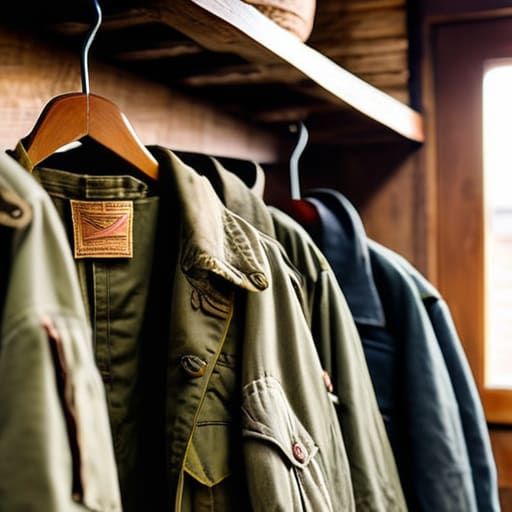
- Check the seam construction before you fall in love. Real vintage military gear usually features felled seams or heavy-duty overlocking designed to withstand combat, not just a casual stroll to a cafe. If the stitching looks thin or starts to fray the second you tug it, it’s likely a modern reproduction masquerading as “surplus.”
- Don’t get distracted by the patina; look at the fiber content. A faded M-65 field jacket looks incredible, but if it’s a cheap polyester blend, it’s going to trap heat like a sauna and pill within three washes. I always look for high-percentage cotton twill or nylon ripstop—stuff that actually has some structural integrity.
- Inspect the hardware like it’s a crime scene. Genuine surplus should have heavy-duty brass or robust plastic zippers (think YKK or Talon) and reinforced buttonholes. If the buttons feel like lightweight, hollow plastic, the garment wasn’t built for utility, and it won’t last you more than a season.
- Beware the “distressed” trap. There is a massive difference between the natural wear on a heavy-duty canvas jacket and a fast-fashion brand using sandpaper to make a new shirt look old. Real age shows in the way the fabric drapes and softens; fake aging just looks like structural damage that’s going to lead to holes.
- Learn to read the labels, even if they’re partially illegible. I spend way too much time squinting at old government-issue tags to verify the era and the fabric weight. If a seller can’t tell you the approximate era or the material specs, they’re probably just selling you an aesthetic, not a piece of functional gear.
The Real Value of Surplus
Stop buying “military-inspired” pieces from fast-fashion giants; if the garment doesn’t have reinforced stitching or a heavy-duty GSM, it’s just a costume that’s going to fall apart in three washes.
True utility is found in the construction details—look for heavy cotton twills, functional hardware, and seam allowances that actually allow for movement rather than just looking “rugged” on a hanger.
Prioritize the history of the garment over the current aesthetic; a genuine vintage piece was built to endure a deployment, which means it’s going to outlast any trend-driven piece you find in a mall.
Frequently Asked Questions
How do I tell if a vintage surplus piece is actually high-quality cotton or just some cheap, degraded blend that's going to fall apart in the wash?
The easiest way? Stop looking at the tag and start using your hands. Grab a handful of the fabric and give it a firm squeeze. If it feels limp or springy like a cheap poly-blend, put it back. You’re looking for that heavy, structural “crunch” that high-density cotton has. Also, check the weave under a bright light; if you see a lot of uneven, fuzzy gaps, it’s likely a degraded blend that’ll pill instantly.
Is it even possible to modernize the fit of these heavy-duty garments without ruining the original structural integrity of the seams?
It’s a massive balancing act. If you’re trying to slim down a boxy M-65 field jacket by hacking into the side seams, you’re likely going to compromise the entire silhouette and end up with weird bunching at the armholes. Instead of fighting the original construction, I usually look at the proportions. It’s better to play with how the garment sits on the body through layering rather than butchering the seam allowance and losing that heavy-duty stability.
What specific hardware—like zippers or buttons—should I be looking for to ensure the garment was actually built for utility rather than just looking the part?
Check the hardware, not the label. If it’s a zipper, I’m looking for chunky YKK metal teeth, not that flimsy plastic stuff that jams after three pulls. For buttons, they should feel substantial—think heavy-duty melamine or metal shank buttons that can actually hold tension. If the rivets look like they’re just glued on for “the look,” run. Real utility means the hardware is designed to be abused, not just photographed.