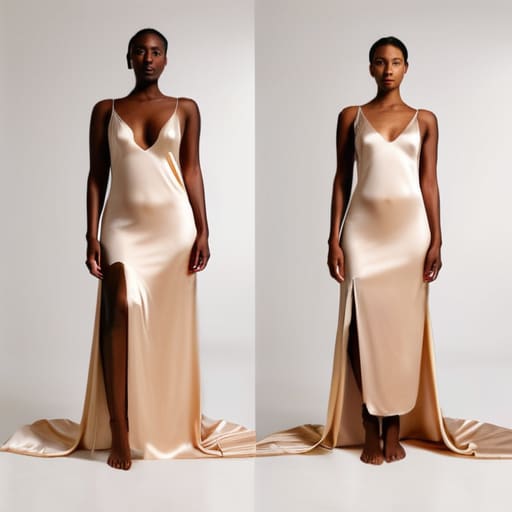
I spent three years in a cramped shared studio, surrounded by the smell of plastisol ink and the constant hum of an industrial serger, before I realized that most “inclusive” sizing is just a lie told by brands to move more inventory. I’ve watched people buy expensive streetwear only to realize the garment looks great on a mannequin but falls apart the second it hits a human frame. We need to stop pretending that “oversized” is a magic fix for everything; true fit across different body shapes isn’t about adding extra fabric to a standard pattern, it’s about understanding how a shoulder seam actually sits or how a heavy GSM cotton drapes over a hip.
I’m not here to talk about what’s trending on TikTok or which influencer is wearing what. My goal is to pull back the curtain on the technical reality of construction. I’m going to break down how things like armhole depth, side seam placement, and fabric tension actually dictate how a piece moves with you. If you want to understand the difference between a garment that just covers you and one that actually works for your shape, let’s get into the guts of the pattern.
Why Fabric Weight Dictates Your Flattering Silhouettes for All Figures
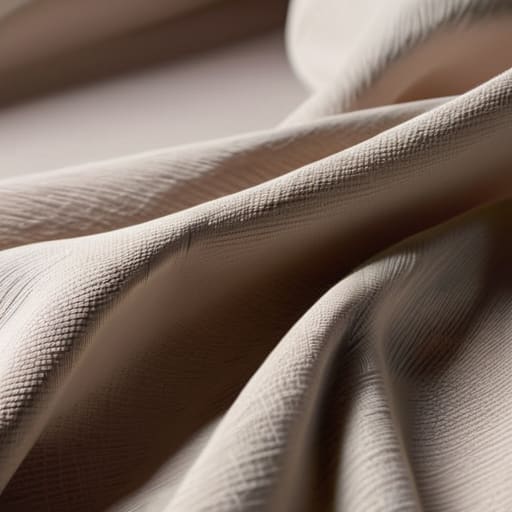
Everyone talks about “flattering silhouettes for all figures,” but they rarely talk about the math behind it: GSM (grams per square meter). If you’re working with a flimsy, low-GSM jersey, the fabric is just going to cling to every curve and dip in a way that feels accidental rather than intentional. I’ve spent way too many hours staring at cheap blanks that lose their structure after one wash, leaving you with a garment that looks like a wet paper towel. When you want to actually define a shape rather than just drape over it, you need weight.
Heavyweight cotton acts like a structural scaffold. It creates its own line, which is essential for balancing proportions with clothing if you have a frame you want to add some architectural presence to. A heavy, high-GSM hoodie or a structured heavyweight tee won’t collapse into your midsection; it holds its own space. It’s not about hiding your body—it’s about using the integrity of the textile to create a silhouette that stays consistent, regardless of whether you’re tall, short, or somewhere in between.
Understanding Body Proportions in Fashion via Seam Integrity
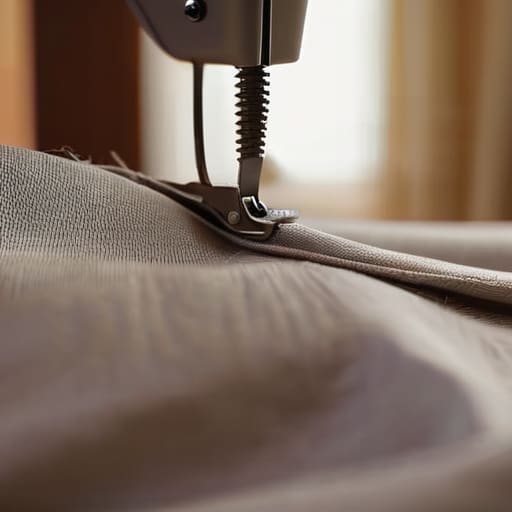
Once I started cutting my own patterns, I realized that most “flattering silhouettes for all figures” are actually just clever illusions created by where the seams sit. If a side seam is even half a centimeter off-center, it’s going to pull against your hip or waist in a way that makes the whole garment look cheap and distorted. I spend way too much time looking at how a seam travels from the armpit down to the hem because that line is what actually defines your shape. When the seam integrity is solid, the fabric follows your curves instead of fighting them.
When you’re understanding body proportions in fashion, you have to look past the surface level aesthetic and focus on the structural architecture. For example, a dropped shoulder seam can visually broaden your frame, but if the tension in that seam is weak, the sleeve is just going to sag in a way that looks sloppy rather than intentional. It’s not about hiding your body; it’s about balancing proportions with clothing through precise construction. If the seams don’t hold their structural tension, you aren’t wearing a designed piece—you’re just wearing a bag of fabric.
Real-world ways to stop fighting your clothes and start understanding them
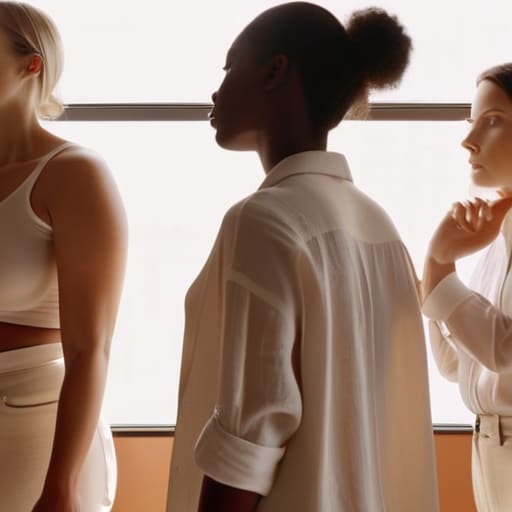
- Stop chasing “oversized” trends and start looking at the shoulder seam. If the seam is dropping too far down your arm without enough structure in the fabric, you aren’t looking “relaxed”—you’re just looking swallowed by a poorly drafted pattern.
- Check the grainline before you buy. If a garment is cut off-grain to save on fabric costs, it’s going to twist around your torso no matter how much you adjust the belt, making the silhouette look lopsided and cheap.
- Prioritize high GSM for structured shapes. If you have a body type that benefits from more architectural lines, avoid lightweight, flimsy jersey; it clings to every curve in ways you didn’t ask for. You want weight to do the heavy lifting for your silhouette.
- Look at the side seam curve, not just the waist measurement. A straight side seam on a garment meant to be “fitted” is a red flag—it means the maker didn’t account for the actual geometry of a human torso, and you’ll end up with that annoying bunching at the hip.
- Inspect the hem weight. A heavy, double-stitched hem helps a garment hang straight down, which is essential for creating a clean vertical line that works for almost any body shape, whereas a raw or light hem will just flap around and lose its shape.
The real stuff you need to remember
Stop chasing “flattering” labels and start looking at GSM; a heavy-weight cotton will hold its own structure against your shape, while a flimsy, low-weight fabric will just cling to every curve you aren’t trying to highlight.
Check the seams, not just the size tag—if the side seams are crooked or the seam allowance is too tight, the garment is going to twist and pull awkwardly no matter what your body type is.
Real style comes from how a garment interacts with your proportions, which means prioritizing how the fabric drapes and where the construction lines actually sit on your frame rather than following a trend cycle.
Frequently Asked Questions
If I'm buying a heavy-weight GSM tee to get that structured look, how do I stop it from feeling like a boxy tent if I have a smaller frame?
Look, heavy GSM is a double-edged sword. If you’re on the smaller side, that structure can easily turn into a cardboard box if the shoulder seams are drooping down your biceps. You need to hunt for a “drop shoulder” that actually hits your natural shoulder line, or look for a slightly cropped hem. If the length is too long, the weight of the fabric will just pull the whole garment down, making you look swallowed by cotton.
Does a wider seam allowance actually help with tailoring, or is it just more fabric wasted in the construction?
Look, if you’re seeing tiny, skimpy seams on a cheap garment, you’re looking at a ticking time bomb. A wider seam allowance isn’t “waste”—it’s insurance. It gives you the literal room to breathe and adjust. If a piece doesn’t sit right on your hips, that extra fabric lets a tailor actually work with the grain rather than just fighting a fraying edge. I’d much rather have an extra inch of scrap than a shirt that’s unfixable.
How can I tell if a garment is actually cut for different body shapes versus just being labeled "oversized" to hide poor pattern making?
Look at the armholes and the shoulder seams. If it’s just “oversized,” the armholes will usually drop way too low, creating that weird, bunchy fabric under the arm that makes you look like you’re wearing a tent. A garment actually engineered for different shapes will have a deliberate taper or a higher armhole relative to the width, ensuring the fabric drapes over your frame instead of just swallowing it whole.