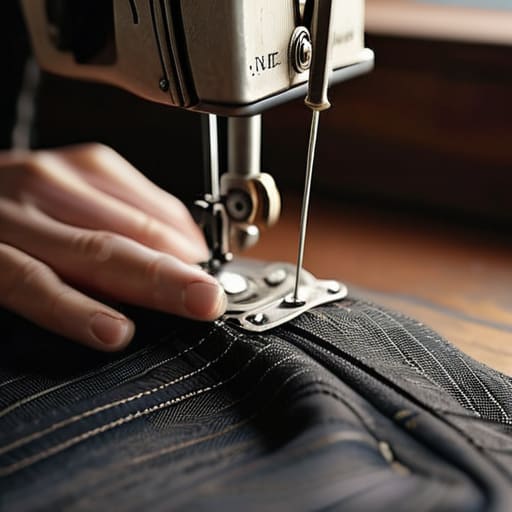
I spent three hours last Tuesday hunched over a vintage 90s work jacket, trying to figure out if a structural adjustment would actually hold or if I was just wasting good thread. It’s the same frustration I had back when I was first learning pattern cutting—that nagging feeling of wondering when tailoring is worth it and when you’re just throwing good money after bad construction. Most people think you can just take any piece of fast-fashion garbage to a seamstress and “fix” it, but let me tell you, if the fabric is a paper-thin polyester blend with zero recovery, no amount of stitching is going to make it drape like it’s supposed to.
I’m not here to sell you on the idea that every garment in your closet needs a custom fit. Instead, I want to pull back the curtain on the actual mechanics of clothing so you can stop wasting your cash. I’m going to walk you through how to look at seam allowances, fabric weight, and grainlines to decide if a piece is actually worth the investment. We’re going to talk about the real math of garment longevity, not the marketing fluff.
Calculating Clothing Alteration Cost vs Value
Here is the breakdown of how I actually look at the math before I even touch a needle. When you’re weighing clothing alteration cost vs value, you have to stop looking at the price tag of the garment and start looking at the construction. If you’ve found a vintage heavyweight fleece with a perfect drape but the sleeves are two inches too long, that’s a win. You spend $20 on a tailor, and suddenly you have a piece that feels bespoke. But if you’re trying to fix a fast-fashion polyester blend that’s already losing its shape, you’re just throwing good money after bad.
I always tell people to think about investment pieces and tailoring as a single unit. If you’re buying a high-quality wool blazer, the extra fifty bucks to get the waist nipped is basically non-negotiable—it’s what turns a “suit” into your suit. On the flip side, knowing when to hem pants vs buy new comes down to the fabric. If the grainline is wonky or the fabric is too thin to hold a crease, no amount of stitching is going to fix a bad foundation.
Investment Pieces and Tailoring Longevity
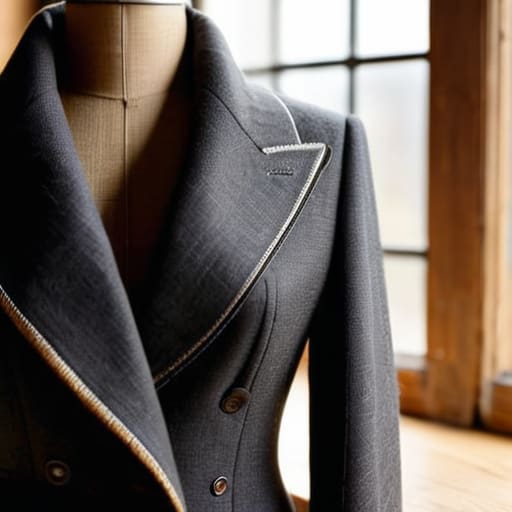
Here is the reality of my studio: I see so many people buy these heavy, high-GSM vintage jackets or structured wool blazers, only to let them rot in a closet because the shoulders sit two inches too low. That is a massive waste of good textile. When you’re looking at investment pieces and tailoring, you have to look past the brand name and check the construction. If the fabric is high-quality and the stitching is tight, a tailor can usually manipulate the silhouette to work for you. But if the bones of the garment are cheap, no amount of magic from a needle and thread will save it.
It’s all about the math of clothing repair and longevity. Instead of ditching a piece because the silhouette feels “off,” I always ask myself if the structural integrity is there to support a change. If you’ve found a piece with incredible drape or a unique weave, spending the extra cash to get it adjusted is a no-brainer. You aren’t just paying for a service; you’re extending the lifecycle of something that actually deserves to be worn.
The "Keep or Compost" Checklist
- Check the shoulder seams first. If the shoulder of a blazer or a heavy coat doesn’t sit where your actual shoulder ends, run. You can fix a waist, but you can’t fix a structural shoulder without basically rebuilding the entire garment, and that’s when the cost outweighs the clothes.
- Look at the fabric weight and composition. If it’s a high-GSM heavy cotton or a dense wool, it’s worth the spend to tweak the fit. If it’s some flimsy, thin polyester blend that’s already pilling, don’t bother—no amount of tapering is going to make cheap fabric look expensive.
- Inspect the seam allowance before you commit. If you’re planning to let something out, turn it inside out and see if there’s actually enough fabric tucked into the seam to work with. If the seam allowance is paper-thin, you’re stuck with the fit you have.
- Evaluate the hardware and finishing. A garment with sturdy metal zippers and reinforced stitching is a prime candidate for tailoring. If the buttons feel like they’re made of cheap plastic and the hems are just raw-edged fraying, the piece probably won’t survive the alteration process.
- Ask yourself if the silhouette actually works. Tailoring is great for refining a shape, but it can’t fix a fundamentally bad pattern. If the proportions feel “off” in a way that isn’t just about width or length, it’s usually a design flaw, not a fit issue.
The Bottom Line on When to Stitch and When to Skip
Stop trying to perform surgery on fast fashion; if the fabric is a thin, low-GSM polyester blend, no amount of tailoring will fix a bad silhouette, so just let it go.
Prioritize the “bones” of the garment—if the shoulder structure and the fabric weight are solid, tailoring is a high-return investment that turns a good piece into a lifelong staple.
Always do the math before you hit the tailor; if the cost of the alteration approaches the price of a decent, well-constructed blank, you’re better off saving your money for something built right from the start.
Frequently Asked Questions
If I'm buying a vintage tee or a heavy-weight hoodie, is it even worth paying a tailor to fix the fit, or is the fabric too far gone?
It depends on the “soul” of the garment. If it’s a vintage tee with that perfect, paper-thin patina, leave it alone—trying to take in a worn-out single jersey usually just results in puckered seams and a ruined silhouette. But for a heavy-weight hoodie? Absolutely. If the GSM is high and the structure is solid, a tailor can work wonders. Just check the tension; if the ribbing is shot, no amount of stitching will save it.
How do I know if a garment is actually "high quality" enough to justify the extra spend on alterations?
Look, don’t let a “premium” price tag fool you—marketing is loud, but the construction is quiet. I always flip a piece inside out first. If the seams are raw, uneven, or use that thin, scratchy overlock thread that looks like it’ll snap if you sneeze, walk away. Check the weight (GSM) and look for reinforced stitching at stress points. If the guts of the garment are cheap, no amount of tailoring will make it a masterpiece.
At what point does the cost of fixing a cheap, fast-fashion piece actually surpass what I would've spent on a decent blank in the first place?
Honestly? The moment you’re looking at a repair bill that hits 50% of the original price, you’ve already lost. If you’re spending twenty bucks to fix a ten-dollar fast-fashion top, you’re just subsidizing a bad supply chain. I’d rather take that same money and put it toward one heavy-duty, 280 GSM blank that actually has the structural integrity to hold a seam. Don’t throw good money after bad fabric; it’s a trap.