I remember sitting on the floor of my first shared studio, surrounded by half-printed blanks and a mountain of returns that made me want to scream. I had spent weeks obsessing over the perfect graphic, only to realize that the actual silhouette was a disaster because I’d completely ignored body length and hem position. I was so caught up in the “vibe” of the print that I didn’t realize a hem sitting two inches too high makes a premium heavy-weight tee look like a cheap crop top from a fast-fashion site. It’s the most expensive mistake you can make when you’re trying to build something that actually lasts.
Look, I’m not here to talk about what’s trending on TikTok or which colors are “in” this season. I want to talk about the math and the physics of how a garment actually sits on a human frame. I’m going to break down exactly how to calibrate your measurements so you aren’t throwing money away on inventory that nobody wants to wear. We’re going to look past the marketing fluff and get into the real mechanics of construction, because if the proportions are off, the quality of your fabric won’t even matter.
Mastering Clothing Silhouette Proportions for Longevity
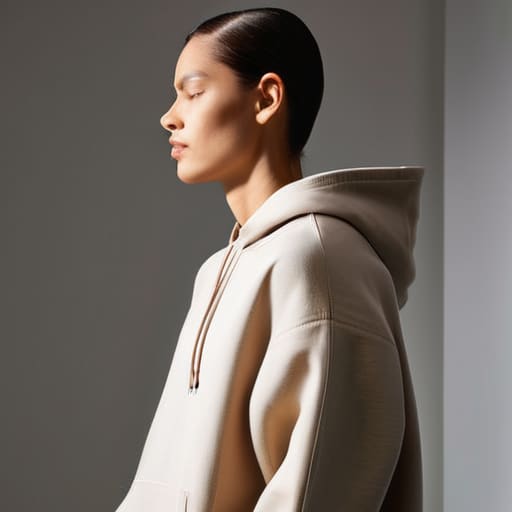
When you’re looking at a tech pack, it’s easy to get lost in the numbers, but you have to think about how the piece actually hangs on a human being. If you’re designing an oversized hoodie, for example, the garment length for body type isn’t just a random measurement; it’s the difference between a deliberate streetwear look and looking like you’re wearing a hand-me-down that’s three sizes too big. If the hem sits too low on the hips, it drags the whole silhouette down, making the wearer look shorter and the garment look cheap.
I’ve seen so many small brands mess up the visual balance in fashion by ignoring how the hem interacts with the waistline. A well-placed hem creates a focal point, whereas a poorly positioned one just creates a mess of fabric. You want to find that sweet spot where the proportions feel intentional. It’s about intentionality in construction, not just following a trend. If you nail the ratio between the torso and the hem, the piece will feel premium, regardless of what the hype cycle says.
The High Cost of Ignoring Ideal Hemline Height
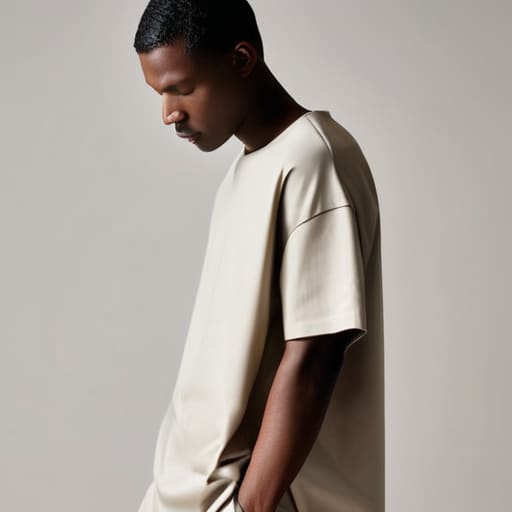
Look, I’ve seen too many “drop” collections fail not because the graphic was bad, but because the fit was fundamentally broken. When you ignore the ideal hemline height, you aren’t just making a minor design choice; you’re setting yourself up for a logistical nightmare. If the hem sits too high on the hip or drags halfway down the thigh, you’re going to deal with a tidal wave of returns and wasted margins. People might buy a shirt because the print looks fire, but they’ll send it back the second they realize the visual balance in fashion is totally skewed and they look shorter than they actually are.
It’s also a massive waste of resources. If you’re trying to scale, you can’t afford to guess. Getting the garment length for body type wrong means you’re essentially designing for a specific silhouette that only exists in a vacuum. I’ve spent way too many late nights in the studio realizing that a slightly off-spec hemline can make an expensive, heavy-duty blank look cheap and ill-fitting. It’s the difference between a piece that becomes a wardrobe staple and something that ends up in a donation bin after one wash.
Five Ways to Stop Your Silhouettes From Looking Like an Accident
- Stop obsessing over the width if the length is trash. You can have the most perfectly oversized boxy fit in the world, but if the hem drops below the crotch line without intention, it just looks like you’re wearing a tent that’s too big.
- Check your side seam taper. A straight drop from the armpit to the hem is fine for a basic blank, but if you’re cutting your own patterns, a slight inward taper toward the hem prevents that awkward “bell” shape that makes cheap streetwear look cheap.
- Mind the “Rise-to-Hem” ratio. If you’re designing high-waisted bottoms, your hem position needs to account for where the fabric actually sits on the hip; otherwise, you’ll end up with a gap at the waist that ruins the entire drape.
- Don’t sleep on the weight of your hem. A heavy-weight GSM fabric needs a more substantial hem allowance to hang straight; if you use a flimsy single-needle stitch on a heavy fleece, the hem is going to roll and look like a discarded rag after one wash.
- Test the “Sit Test” before you commit to a production run. I can’t tell you how many times I’ve seen a great design ruined because the body length was so short that the whole garment rides up to the ribs the second someone actually sits down.
The Bottom Line on Hemlines and Proportions
Stop chasing “oversized” trends blindly; if the body length doesn’t respect the wearer’s proportions, you’re just producing expensive pajamas that no one will wear twice.
Always check your hem position against your actual pattern—a misplaced hemline isn’t just a minor design choice, it’s a technical error that kills your garment’s silhouette and your profit margins.
Prioritize construction over hype; a well-placed hem and a thoughtful length are what actually make a piece feel premium and ensure it survives more than three washes.
Frequently Asked Questions
How do I figure out if a specific body length is actually going to work for a boxy streetwear fit versus a more standard slim cut?
It comes down to the math of the shoulder-to-hem ratio. For a boxy streetwear fit, you want a shorter, wider silhouette—think a “cropped” length that hits right at the waistband. If the length is too long on a wide garment, you just look like you’re drowning in fabric. For a slim cut, you need more verticality; the hem should sit mid-hip to keep the lines clean and prevent that awkward bunching.
If I’m sourcing blanks, how much of a difference does a slightly higher hem position actually make in terms of how the fabric hangs?
It makes a massive difference. If that hem sits even an inch too high, the fabric doesn’t just “hang”—it bunches. You lose that clean, vertical drape and end up with this awkward ripple right at the hip. A lower, more intentional hem uses the weight of the fabric to pull the garment down, creating a smoother silhouette. If you’re sourcing blanks, check that length; a high hem makes even premium heavyweights look cheap.
At what point does a hem being too low start looking like a design choice rather than just a poorly scaled garment?
It’s all about the intention behind the silhouette. If you’re going for an oversized, boxy streetwear vibe, a dropped hem can look like a deliberate choice—provided the proportions elsewhere, like the shoulder drop and sleeve length, match that energy. But if the shirt fits “normal” through the chest and just hangs six inches too low? That’s not a design choice; that’s just a scaling error. If it looks accidental, it’s a mistake.