I still remember the absolute carnage of my first small-run drop—standing in a cramped, humid studio, staring at a box of hoodies that felt more like recycled cardboard than actual streetwear. I had sent over what I thought was a professional document, but I’d completely glossed over the specifics of the construction, and the factory had interpreted my “vague ideas” in the most expensive way possible. People love to act like tech packs and their contents are some mystical, gatekept secret or a complex piece of high-fashion sorcery, but honestly? Most of the industry hype is just expensive fluff designed to make you feel like you aren’t ready to produce.
I’m not here to give you a sanitized, textbook definition of garment specifications that won’t actually survive a real production floor. Instead, I want to pull back the curtain and show you the actual anatomy of a functional tech pack. We’re going to talk about the gritty details—the GSM, the precise seam allowances, and the hardware specs—that actually determine whether your sample looks like a designer piece or a pile of wasted fabric. If you want to stop guessing and start building clothes that actually last, this is where we start.
Beyond Aesthetics Mastering Garment Manufacturing Documentation
Look, a pretty sketch on a mood board isn’t a blueprint; it’s a wish list. If you want to actually move from a digital concept to a physical sample that doesn’t fall apart in the wash, you have to get obsessed with the boring stuff. This is where real garment manufacturing documentation separates the hobbyists from the professionals. I’ve seen so many small brands lose their entire budget because they thought a vague drawing was enough. You need to move past the “vibe” and start defining the literal DNA of the piece.
That means your technical drawings need to be clinical, not artistic. I’m talking about precise clothing design technical drawings that show every single stitch line and hardware placement. You also can’t skip the heavy lifting of the bill of materials for fashion. If you haven’t accounted for every single thread color, zipper gauge, and even the specific type of interfacing you’re using, your factory is going to make a guess—and in production, a guess is just a polite word for an expensive error.
The Real Cost of Vague Clothing Design Technical Drawings
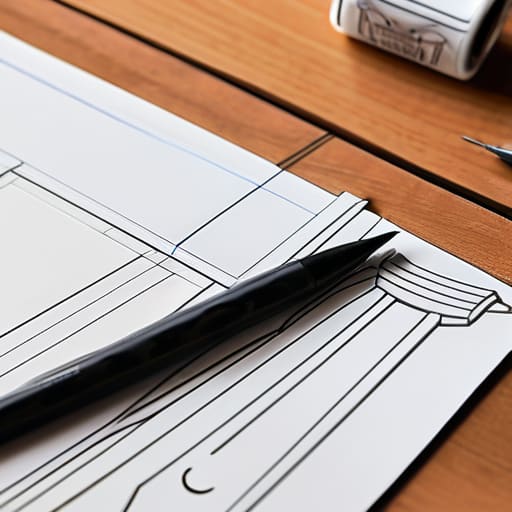
Look, I’ve seen it happen a dozen times: a designer sends over some gorgeous, hand-drawn sketches that look incredible on a mood board, but they completely skip the actual clothing design technical drawings. They think because the vibe is there, the factory will just “get it.” That is a massive mistake. When your drawings are vague, you aren’t just being “artistic”—you’re leaving the door wide open for a factory to make their own assumptions about your silhouette, pocket placement, or stitch types.
The second a pattern cutter has to guess where a seam should sit because your drawing was too “dreamy” and not technical enough, you’ve already lost money. Those tiny discrepancies snowball into massive waste during the sampling phase. If your drawings don’t clearly communicate the structural reality of the piece, you’ll end up with a finished garment that looks nothing like your original vision. You’re not just paying for fabric anymore; you’re paying for the expensive lesson of having to redo an entire production run because you forgot that factory production requirements demand precision, not just vibes.
Stop Guessing and Start Specifying: 5 Ways to Save Your Production Run
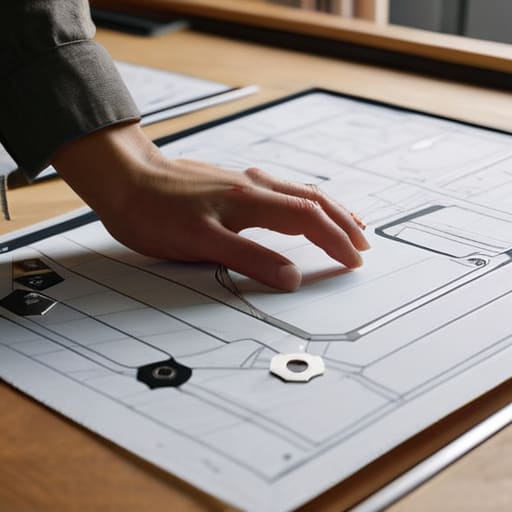
- Stop being vague about fabric weight. If you just write “heavyweight cotton,” your factory is going to give you whatever is cheapest in their warehouse. You need to specify the exact GSM (grams per square meter) so you don’t end up with a flimsy, see-through shirt that feels like a cheap giveaway.
- Don’t forget the inside. I have this habit of turning every garment inside out before I even look at the print, and your tech pack should reflect that. Include clear instructions for seam finishes—whether it’s a clean overlock or a French seam—otherwise, the construction will look amateurish from the inside out.
- Your measurements need to be real, not “vibes.” Don’t just say “oversized fit.” Give me the exact point-to-point measurements for the chest, shoulder drop, and sleeve length. If you don’t define the tolerance (how much a measurement can actually vary), you’re going to receive a box of clothes that don’t even fit each other.
- Label your hardware with actual names. “Silver buttons” is useless. Is it a matte brushed nickel or a shiny chrome? Is it a shank button or a sew-through? If you don’t name the specific material and finish, you’re basically leaving your brand’s quality up to chance.
- Include a Bill of Materials (BOM) that covers everything, even the boring stuff. Thread color, zipper types, even the specific brand of interfacing you want. If it touches the garment or helps it hold its shape, it needs to be on that list, or you’ll be hit with “hidden” costs later when the factory realizes they had to source something you didn’t account for.
The Bottom Line: What You Actually Need to Get Right
Stop treating your tech pack like a mood board; if you aren’t specifying exact GSM and seam allowances, you aren’t designing a garment, you’re just guessing.
Precision in your technical drawings is your only defense against a factory sending you a pile of expensive, unwearable mistakes that eat your entire margin.
A good tech pack bridges the gap between a cool idea and a real piece of clothing by prioritizing construction specs over aesthetic hype.
Frequently Asked Questions
If I'm just doing a tiny run of ten shirts, do I really need a full-blown tech pack or can I just send a sketch and a fabric sample?
Look, I get it. Ten shirts feels like a hobby, not a production run. But if you just send a sketch and a scrap of fabric, you’re basically playing Russian roulette with your budget. Even for a tiny run, a sketch doesn’t tell a cutter where the seam allowance goes or how much weight that fabric actually has. Don’t skip the specs; otherwise, you’re just paying someone to guess—and guessing is expensive.
How much detail do I actually need to go into with the BOM (Bill of Materials) before it becomes overkill?
Look, there’s a fine line between being thorough and just wasting your time. You don’t need a poetic description of every thread, but if you leave out the specific weight of your ribbing or the exact colorway of your buttons, you’re asking for a headache. Aim for “functional precision.” If a factory worker can’t look at your BOM and know exactly what to grab from the shelf without texting you for clarification, it’s not detailed enough.
What’s the best way to communicate specific fabric hand-feel and weight to a factory if I can't physically be there to touch the swatch?
You can’t just say “soft” or “heavyweight” and expect a factory to guess your vibe. You need to be clinical. List the exact GSM (grams per square meter) and the specific fiber composition—don’t just say “cotton,” say “100% combed cotton.” Most importantly, use standardized terms for the drape and hand-feel, like “crisp,” “fluid,” or “peached.” If you really want to be safe, request a physical header sample before you commit to the full run.