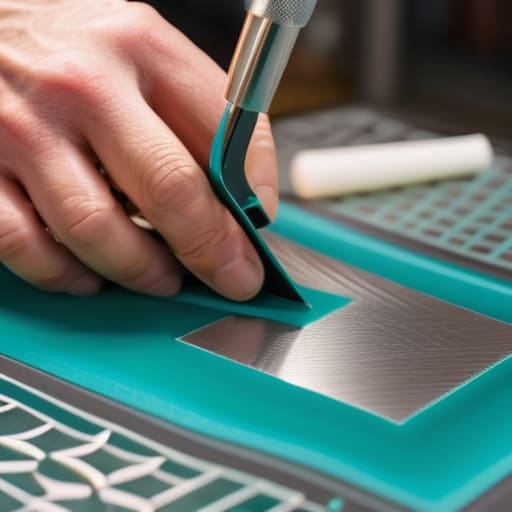
I still remember the smell of scorched polyester from my first year in the shared studio—that acrid, chemical stench that hits you when you realize you’ve just ruined a fifty-dollar blank. I was convinced that if I just bought the most expensive, “pro-grade” rolls, my designs would look like something off a boutique rack. Instead, I spent weeks realizing that most of the hype surrounding heat transfer vinyl is just clever marketing designed to separate you from your rent money. I’ve spent more hours than I care to admit peeling back cracked, peeling edges from cheap rolls, learning the hard way that expensive doesn’t always mean better, but cheap definitely means more waste.
I’m not here to sell you on some magical brand or tell you that you need a thousand-dollar cutter to make something decent. My goal is to pull back the curtain on what actually matters: adhesion, stretch, and how that material is going to behave after ten washes. I want to talk about the stuff that actually impacts your bottom line, like how certain types of heat transfer vinyl interact with different fabric weights. We’re going to focus on the real mechanics of durability, so you can stop guessing and start producing pieces that actually last.
The Real Cost of Ignoring Iron on Vinyl Types
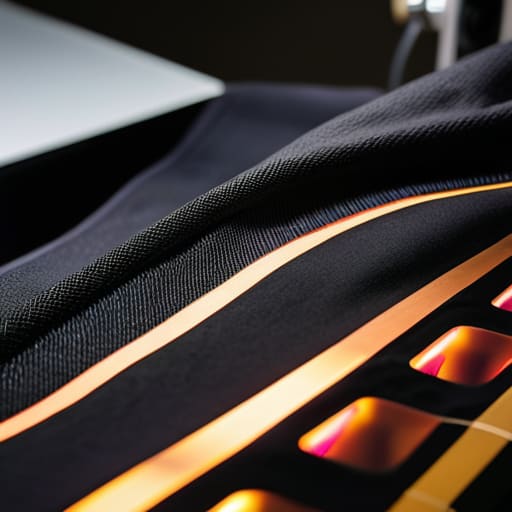
Look, I’ve seen so many people dive into their first few cricut vinyl projects thinking they can just grab the cheapest roll available and call it a day. Here’s the reality: if you aren’t paying attention to the different iron on vinyl types, you’re basically just manufacturing future landfill. I’ve had people come into the studio with “custom” hoodies that looked great for exactly one wash before the design started peeling at the edges like a bad sunburn. That isn’t just a bummer for the wearer; it’s a massive waste of the garment itself.
When you ignore the technical specs, you’re gambling with your time. For instance, the difference between weedable vs non-weedable htv isn’t just about how much work you do with a weeding tool; it’s about how that material is going to react to the heat. If you’re trying to force a thick, heavy-duty material through a standard home iron without checking your heat transfer vinyl durability, you’re going to end up with a cracked, stiff mess. It’s frustrating, it’s expensive, and frankly, it’s why I’m such a stickler for the details.
Weedable vs Non Weedable Htv Precision Over Speed
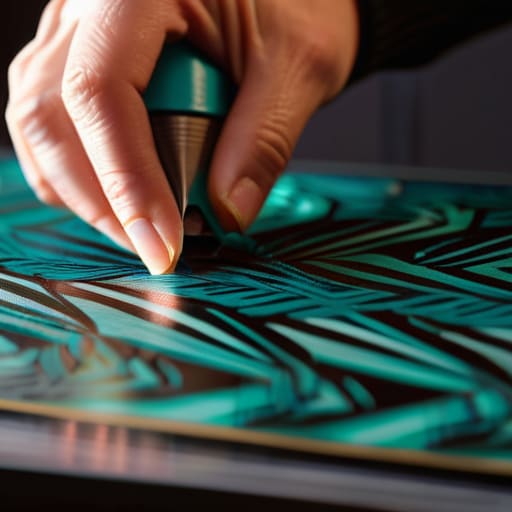
Look, I get the temptation to just grab whatever roll is cheapest at the craft store to speed up your cricut vinyl projects, but there is a massive functional divide between weedable and non-weedable options. Weedable HTV is designed with a thin carrier sheet so you can actually pull away the excess material to reveal your design. It’s great for intricate, fine-line graphics, but if you’re trying to cover a massive logo on a heavy hoodie, you’re going to spend three hours fighting with a weeding tool only to end up with a mess.
On the flip side, non-weedable options—often used for blockier, more solid shapes—don’t require that tedious stripping process, but they lack that same level of detail. When you’re weighing weedable vs non-weedable htv, you have to think about the end product’s longevity. If you choose a cheap, thin weedable film just to save time, you might find that the heat transfer vinyl durability takes a massive hit after just three washes. I’ve seen too many “quick” projects turn into cracked, peeling disasters because the material wasn’t right for the complexity of the design.
Stop Guessing and Start Testing: My 5 Non-Negotiables for HTV
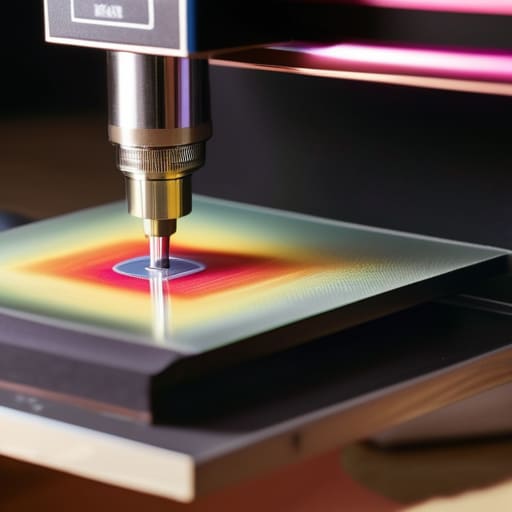
- Test your pressure before you commit. I’ve seen so many people blame the vinyl when the real culprit was just a lukewarm heat press or a surface that wasn’t flat. If you aren’t checking that your pressure is even across the whole design, you’re just asking for peeling edges.
- Stop treating your heat press like a microwave. You can’t just blast it at max temp and hope for the best. Every brand has a specific sweet spot for temperature and dwell time; if you ignore the spec sheet because you’re in a rush, you’re going to scorch the fabric or end up with a design that feels like a plastic sticker.
- Check your fabric’s GSM and composition before you even touch the cutter. Putting heavy, thick HTV on a super lightweight, low-GSM jersey is a recipe for disaster—the weight of the vinyl will literally pull the garment out of shape and make it sag weirdly.
- Don’t skip the post-press peel. I know, it’s tempting to just rip the carrier sheet off and call it a day, but giving it that second press with a Teflon sheet or parchment paper helps settle the adhesive into the fibers. It’s the difference between a design that lasts three washes and one that lasts thirty.
- Invest in a decent weeding tool, not the cheapest plastic thing you can find. If you’re working with intricate, fine-line designs, a dull hook is going to snag your vinyl and ruin the precision you worked so hard to cut. Your hands will thank you, and the finished garment won’t look like a DIY disaster.
The Bottom Line on Your HTV Setup
Stop treating HTV like a one-size-fits-all solution; if you’re trying to force a complex, fine-detail design through a thick, non-weedable film, you’re just begging for a wasted blank and a headache.
Quality is a math problem—investing in better vinyl and decent blanks might feel expensive upfront, but you’ll save a massive amount of money by not having to replace “ruined” garments that peel after two washes.
Prioritize the craft over the speed; taking an extra ten minutes to properly weed a precision cut is always better than rushing a cheap application that looks like a DIY disaster.
Frequently Asked Questions
How do I figure out if a blank is too thick or too synthetic for the specific HTV I’m using?
Honestly, the easiest way is the “pinch and stretch” test. Grab a handful of the fabric; if it bounces right back like a gym legging, it’s probably heavy on the polyester, which means your HTV might struggle to bond or even melt the fibers. For thickness, check the drape. If the blank feels stiff like cardboard, your heat press might not penetrate the seams, leaving you with edges that peel after one wash.
Is it actually worth the extra time to hand-weed intricate designs, or should I just switch to a different material?
Look, I’ve spent hours hunched over a cutting mat with a weeding tool, and honestly? It depends on your sanity and your margins. If you’re doing tiny, intricate linework, hand-weeding is a nightmare that eats your profit in labor alone. If you can’t make the math work, don’t force it. Switch to a high-quality DTF transfer or a simpler vector design. Don’t let the “craft” trap you into working for pennies.
How can I tell if the vinyl is going to crack and peel after three washes versus actually holding up?
Honestly, the best way to tell is the “stretch and snap” test before you even touch the heat press. If you grab a scrap of the vinyl and pull it, does it feel like thin plastic wrap that immediately whites out? That’s a red flag. You want something with a bit of elasticity that recovers its shape. Also, check the thickness; if it feels paper-thin, it’s going to crack the second that fabric hits the agitation of a washing machine.