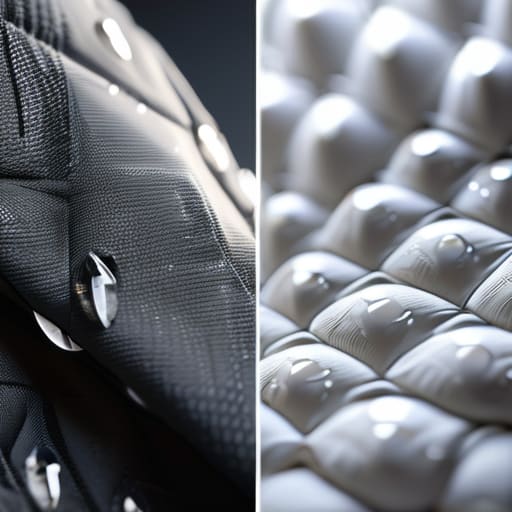
I remember standing outside a studio in East London last February, shivering in a “technical” shell that cost more than my first month’s rent. The marketing promised it was a mountain-ready fortress, but the moment a real gust of wind hit, the fabric felt as thin and useless as a single-ply paper towel. It turns out, a lot of what we see in high-end lookbooks is just expensive theater. When it comes to choosing a jacket for the climate, most brands are selling you a vibe rather than actual thermal regulation or moisture management.
I’m not here to tell you which logo will make you look the coolest in a coffee shop. Instead, I want to talk about the actual physics of what you’re wearing. I’m going to break down how to look past the hype and evaluate things like denier counts, breathability ratings, and seam construction so you actually stay dry and warm. We’re going to focus on the technical reality of the textiles, ensuring that whatever you buy is a legitimate piece of gear and not just another overpriced layer that fails the moment the weather turns.
Why Breathable Outerwear Fabrics Matter More Than the Logo

I see it every single week: someone drops a massive chunk of their paycheck on a jacket just because it has a recognizable embroidered logo on the chest, only to realize ten minutes into a walk that they’re basically wearing a plastic trash bag. If the weave is too tight or the coating is cheap, you’re going to end up in that miserable state where you’re sweating internally while your skin is freezing externally. That’s why I always tell people to ignore the branding and look at the spec sheet. You need to prioritize breathable outerwear fabrics that actually allow moisture vapor to escape; otherwise, you aren’t staying dry, you’re just marinating in your own humidity.
It’s not just about comfort, though—it’s about how the garment handles thermal regulation in clothing. A high-end shell that lacks proper air permeability will trap heat in a way that makes your entire layering system useless. I’ve spent way too many hours in the studio feeling the difference between a high-quality technical membrane and some budget polyester that’s just going to fail you the moment the temperature shifts. Don’t let a cool aesthetic trick you into buying a piece that lacks the actual engineering to keep your body temp stable.
Mastering Thermal Regulation in Clothing for Long Term Wear
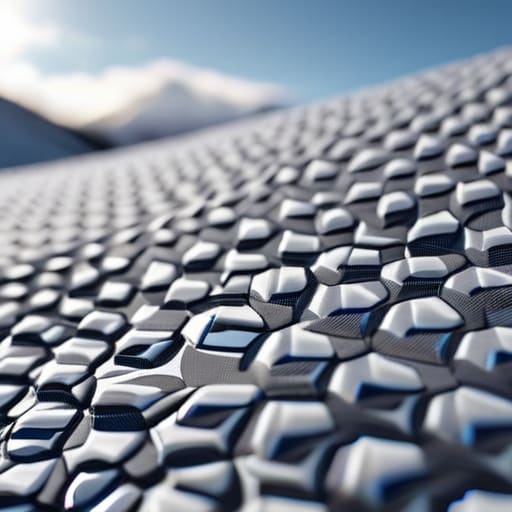
If you’re looking for one single, magical piece of tech to save you from a blizzard, I’ve got bad news: you’re chasing a ghost. Real thermal regulation in clothing isn’t about a single heavy layer; it’s about managing the microclimate between your skin and your shell. When I’m cutting patterns, I always think about how much air needs to move. If you pack on a massive, non-breathable puffer and start walking, you’re going to sweat. Once that moisture hits your base layer, you’re essentially wearing a cold, damp sponge, and that is how you end up shivering in sub-zero temps.
The secret is building a functional layering system for extreme weather that actually works with your body’s heat output. You want a moisture-wicking base to move sweat away, a mid-layer with enough loft to trap air, and a shell that handles the elements without turning you into a sauna. It’s a balancing act of physics, not a shopping spree for the thickest fabric you can find. Focus on how the layers interact, because that’s where the real warmth lives.
Stop buying for the aesthetic: 5 ways to actually vet your next layer

- Check the GSM and weave density before you commit. If you’re heading into a high-wind area, a loose, lightweight canvas is basically just a glorified screen door; you need a tighter weave or a higher fabric weight to actually block the chill.
- Look at the seam construction, not just the shell. In damp climates, I always turn my jackets inside out first to check for taped seams or reinforced stitching; if the water is going to seep through the needle holes anyway, that “water-resistant” label is just marketing fluff.
- Prioritize modularity over single-purpose pieces. I’d much rather have a mid-weight shell that plays nice with a heavy wool sweater underneath than one massive, over-engineered parka that’s too hot the second you step into a heated shop or a subway car.
- Don’t sleep on the lining. A jacket might feel great on the hanger, but if it’s lined with cheap, non-breathable polyester, you’re going to end up sweating through your base layers and feeling clammy all day—which is the fastest way to get a chill.
- Test the hardware and the closures. If you’re in a place with constant rain or snow, a flimsy zipper or a single snap is a failure point; you need robust, chunky teeth and storm flaps that actually cover the hardware to keep the elements from finding a way in.
The real way to vet your next layer
Stop looking at the brand name and start checking the specs; if you can’t find the GSM or the fiber composition, they’re likely hiding a cheap, non-breathable synthetic blend behind a high price tag.
Match your fabric weight to your actual environment, not your aesthetic, because a heavy canvas shell is useless in a humid jungle and a thin technical windbreaker won’t do anything for you in a sub-zero freeze.
Prioritize construction over “looks” to ensure longevity, meaning you should be hunting for reinforced seam allowances and high-quality hardware that won’t fail the first time you actually head outdoors.
Frequently Asked Questions
If a jacket says it's "water-resistant," how can I tell if the coating is actually going to hold up or if it's just going to flake off after three washes?
Look, “water-resistant” is the vaguest term in the industry. Usually, it just means they’ve sprayed a DWR (Durable Water Repellent) finish over the fabric. To tell if it’s junk, check the texture. If the coating feels like a stiff, plastic film sitting on top of the weave rather than being integrated, it’s going to flake off the second you hit a washing machine. I always look for a tight, dense weave first—that’s your real defense.
Does a higher GSM always mean the jacket will be warmer, or am I just paying more for a heavier, less breathable layer?
Not even close. Honestly, thinking higher GSM automatically equals more warmth is one of those marketing traps I hate seeing. A high GSM just means the fabric is denser and heavier—it could be a thick, heavy cotton drill that’s great for wind resistance but absolute hell for breathability. If the weave is too tight and lacks insulation or moisture management, you’re just wearing a heavy, sweaty shell. It’s about the fiber and the loft, not just the weight.
How do I check if the seam construction is actually reinforced enough to stop wind from cutting straight through the stitching?
Don’t just look at the outside; flip the garment inside out like I do. If you see raw edges or loose, single-needle stitching, run. For wind resistance, you want to see felled seams or at least a tight serged edge. Most importantly, check for seam tape. If it’s a technical shell, those clear or fabric strips should be bonded over every junction. If the stitching looks thin and airy, the wind is going to whistle right through it.