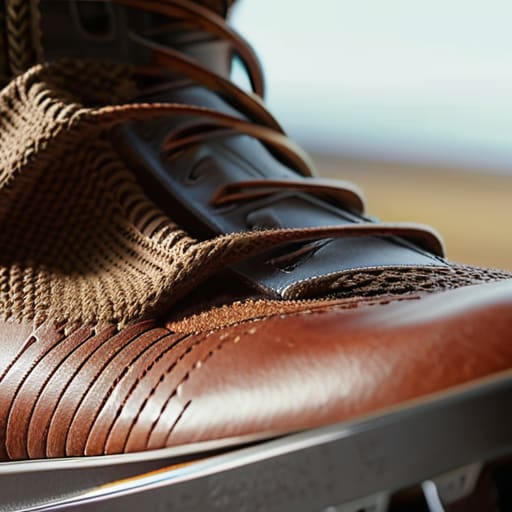
I spent three hours last Tuesday trying to break in a pair of vintage leather loafers, only to realize I wasn’t actually fighting the leather—I was fighting my own footwear choices. We spend so much time obsessing over the “perfect” silhouette or the right brand, but we completely ignore the literal layer of fabric sitting between our skin and the shoe. Most people think a shoe is too small or the arch is wrong, when in reality, the relationship between sock thickness and shoe fit is usually the real culprit. If you’re trying to jam a heavy-gauge ribbed knit into a slim-profile sneaker, you aren’t “breaking them in,” you’re just inviting a blister party.
I’m not here to sell you on some luxury lifestyle brand or tell you which aesthetic is trending on TikTok. Instead, I want to talk about the actual mechanics of what you’re wearing. We’re going to look at how different GSM weights and knit densities change the internal geometry of your shoes. I’ll show you how to match your fabric to your footwear so you can stop treating your feet like an afterthought and start understanding how the build of a garment—even a small one like a sock—actually dictates your comfort.
The Impact of Sock Density on Foot Comfort
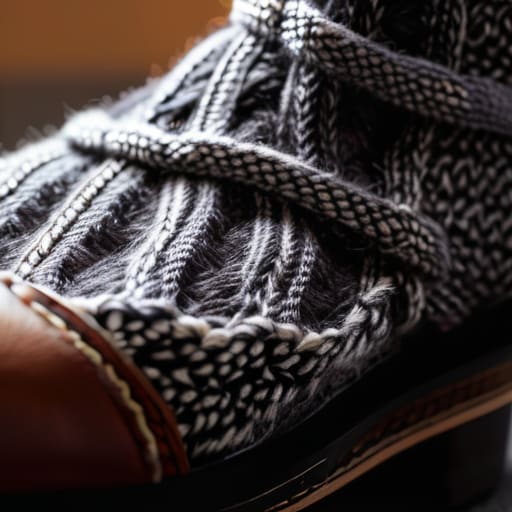
When I’m looking at a garment—or in this case, a sock—I’m looking at the construction, not just the colorway. It’s easy to think of socks as just a layer of fabric, but the reality is that you’re essentially adding a secondary skin that dictates how your foot interacts with your footwear. This is where the impact of sock density on foot comfort becomes a massive factor. If you’re wearing a high-density, heavy-gauge knit, you’re essentially increasing the volume of your foot. This isn’t just about warmth; it’s about the physics of the space inside your shoe.
Choosing between cushioned vs lightweight socks isn’t just a preference; it’s a technical decision based on the geometry of your shoes. A thick, terry-loop cushion provides a buffer that can absorb friction, which is a lifesaver for preventing blisters with sock thickness during long walks. However, if you try to jam a heavy-duty hiking sock into a precision-engineered, slim-profile sneaker, you’re going to lose that “locked-in” feeling. You’ll end up with compression in all the wrong places, turning a comfortable walk into a struggle against your own gear.
Shoe Sizing and Sock Volume Avoiding the Tight Fit
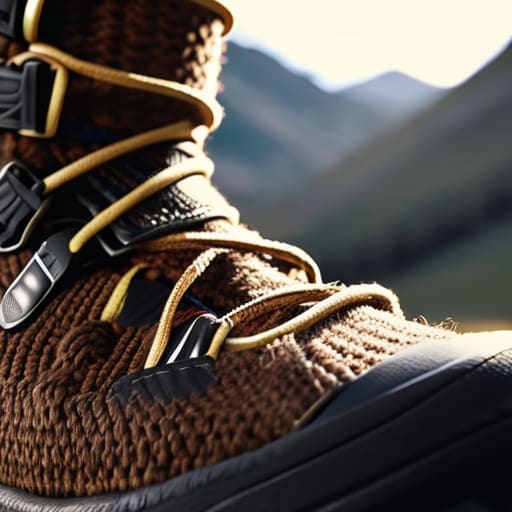
Here is the reality of what happens when you ignore the math: you end up with a shoe that feels like a vice. I’ve seen so many people buy a pair of high-end sneakers only to realize they’ve completely ignored the concept of shoe sizing and sock volume. If you’re pairing a heavy-duty, high-GSM hiking sock with a shoe that’s already running small, you aren’t just “snug”—you’re actively compressing your foot. That compression restricts circulation and turns a nice walk into a lesson in discomfort.
It’s a delicate balancing act between the architecture of the shoe and the density of the knit. If you’re opting for cushioned vs lightweight socks, you have to account for how that extra loop pile sits against the upper material. A thick, terry-loop sock occupies physical space that the shoe’s volume simply might not have. If you don’t leave that little bit of breathing room for the fabric, you’re basically asking for friction, and friction is the fastest way to ruin a good pair of shoes (and your heels).
How to stop your socks from ruining your shoes
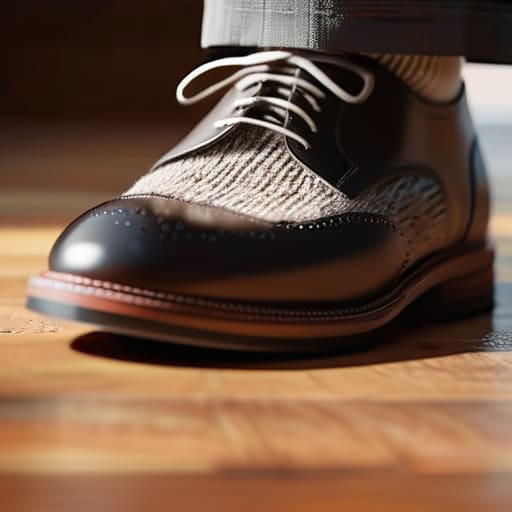
- Check the GSM before you buy. If you’re rocking chunky, high-density knit socks, you need to account for that extra volume. A heavy-gauge wool sock isn’t just “cozy”—it’s a structural layer that occupies space inside your shoe, so don’t be surprised if your usual size suddenly feels like a vice grip.
- Mind the seam placement. I’ve spent way too many hours looking at the inside of garments to realize that a bulky, poorly finished toe seam in a thick sock is a recipe for disaster. If the seam is thick and sits right under your toes, it’s going to rub against the inside of your shoe and cause a blister, no matter how much padding the rest of the sock has.
- Match the fabric weight to the shoe’s construction. Don’t try to cram a heavy-duty hiking sock into a slim-profile loafer or a delicate canvas sneaker. It’s a geometry problem; the fabric is simply too much for the shoe’s internal volume, and you’ll end up crushing the shape of the shoe or cutting off your circulation.
- Look for compression vs. bulk. Sometimes a sock feels “thick” because it’s high-quality, tight-knit material meant to support your arch, rather than just being a thick slab of cotton. A good, dense knit provides support without adding unnecessary width, which is the sweet spot for keeping your foot stable inside a shoe without making it feel cramped.
- Test the “heel slip” factor. When you switch to a thicker sock, the way your heel sits in the shoe’s cup changes. If the sock is too thick and pushes your foot too far forward, your heel might lift out of the shoe with every step. If you notice that happening, you either need a larger shoe size or a lower-profile sock.
The TL;DR on Not Ruining Your Shoes
Stop ignoring the GSM; a high-density, heavy-gauge sock adds actual physical volume to your foot, meaning your “true size” shoe might suddenly feel like a torture device.
If you’re rocking slim-profile footwear like loafers or tight sneakers, switch to a thinner knit to avoid that pinched, “too much fabric” feeling that leads to blisters.
Quality matters because cheap, unevenly knitted socks bunch up in the wrong places, creating friction points that no amount of “breaking in” your shoes will fix.
Frequently Asked Questions
If I'm buying high-quality, heavy-gauge cotton socks, should I actually size up in my sneakers to compensate for the extra fabric?
Honestly? Yes. If you’re moving from those thin, almost-transparent supermarket packs to a heavy-gauge cotton, your current sneaker size is probably lying to you. That extra GSM isn’t just a “feeling”—it’s actual physical volume taking up space inside the toe box. If you don’t size up even a half-step, you’re going to end up with zero room for your toes to splay, which is a recipe for a very cramped, very expensive mistake.
How can I tell if a sock is actually a high GSM or if the brand is just using "thick" as a marketing buzzword?
Don’t let the “ultra-thick” tags fool you; marketing is cheap, but cotton isn’t. To spot the real deal, do the pinch test. Grab the fabric between your thumb and forefinger—if it feels airy or collapses instantly, it’s just a loose, low-density knit masquerading as heavy. A high GSM sock should feel substantial and spring back immediately. If it feels more like a sponge than a structure, they’re just selling you hype.
Is it better to stick to thinner compression socks for performance, or does the extra cushioning of a thicker knit actually protect my feet better during long days?
It really depends on whether you’re fighting friction or impact. If you’re doing high-intensity sprints, thin compression socks are great for keeping things streamlined and preventing that annoying bunching under your arch. But if you’re on your feet for a ten-hour shift on concrete, you need that extra GSM. A thicker knit provides a mechanical buffer that compression alone can’t match; it’s the difference between managing blood flow and actually protecting your skin from bruising.