
I was hunched over a heat press last Tuesday, staring at a “sustainable” heavy-weight hoodie that had just arrived for a small client run, and I swear I could smell the marketing fluff from across the studio. The tag screamed “earth-friendly” in a soft, sage-green font, but the moment I turned the garment inside out—which is my first move with every single piece I touch—the truth was written in the messy, uneven overlock stitching and the chemical scent of cheap, non-organic dyes. It’s infuriating how many brands use aesthetic minimalism to mask a total lack of transparency, making it nearly impossible to navigate greenwashing and how to spot it without feeling like you’re being played.
I’m not here to lecture you on vague buzzwords or tell you which “conscious” collection is trending on TikTok. Instead, I’m going to pull back the curtain on the actual construction and material sourcing that matters. We’re going to talk about real metrics—like fiber composition and supply chain traceability—so you can stop paying a premium for nothing. I promise to give you the unfiltered, technical truth about what makes a garment actually better for the planet, rather than just better for a brand’s profit margins.
Decoding Deceptive Environmental Labeling in Your Supply Chain
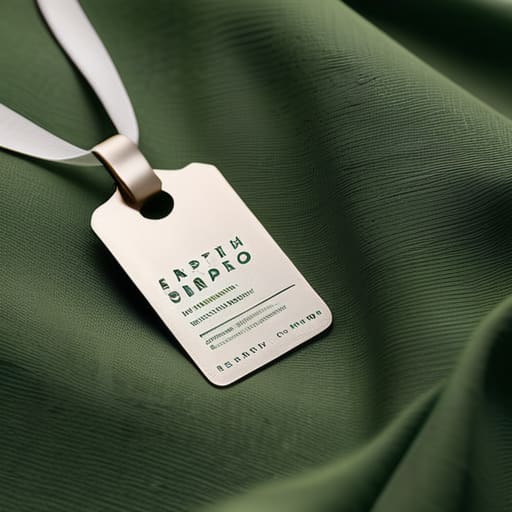
When you’re looking at a spec sheet or a brand’s “About” page, you have to look past the pretty imagery of forests and clean water. I’ve seen too many producers slap a “conscious” tag on a collection that’s actually just 5% recycled polyester blended with 95% virgin nylon. That’s not a revolution; it’s just deceptive environmental labeling designed to make you feel better about a transaction. If a brand uses vague terms like “natural” or “earth-positive” without providing a breakdown of their fiber origins, they are likely using sustainable marketing tactics to mask a total lack of substance.
Don’t take their word for it—demand the receipts. Real environmental claims verification means they can show you the actual certifications, like GOTS or OEKO-TEX, and they shouldn’t be hiding them in a tiny footnote on page 40 of a PDF. I always tell people: if they can’t tell you exactly where the yarn was spun or how they manage their pre-consumer textile waste, they aren’t being transparent; they’re just selling you a vibe.
The High Cost of Unverified Environmental Claims Verification

Here is the reality: when a brand slaps a “conscious” tag on a polyester blend without any actual proof, they aren’t just lying to you—they are actively sabotaging the people actually doing the work. I’ve seen small studios pour their entire budget into sourcing deadstock fabric and ensuring fair wages, only to be drowned out by massive corporations using sustainable marketing tactics that are essentially just expensive photo shoots in a field. It creates this toxic environment where the real innovators can’t compete with the sheer volume of fake noise.
If you can’t find any paper trail, you’re looking at a massive liability. Without rigorous environmental claims verification, a brand is basically playing a game of Russian roulette with its reputation. One whistleblower or a single deep-dive investigation into their tier-two suppliers can tank their entire credibility overnight. It’s not just about being “good”; it’s about the fact that vague promises are a ticking time bomb for any business that actually wants to survive the next decade of scrutiny.
How to Actually Tell if a Brand is Doing the Work (or Just Using the Font)

- Look for the receipts, not the vibes. If a brand says they use “organic cotton” but can’t name the specific certification (like GOTS) or show you the transaction certificate, they’re just playing with words. “Natural” isn’t a technical standard; it’s a marketing mood.
- Demand specific numbers over vague adjectives. I don’t care if a collection is “eco-conscious” or “mindful”—those words mean nothing to me. I want to know the exact percentage of recycled polyester in that fleece or the specific GSM of the organic jersey they’re using.
- Check the scale of the claim against the scale of the brand. If a massive fast-fashion giant drops one “conscious” capsule collection made of recycled ocean plastic while churning out ten thousand new synthetic styles a week, that’s not a pivot; it’s a distraction.
- Watch out for the “lesser of two evils” trap. A brand might brag about using 20% less water in their dyeing process, which sounds great on paper, but if the other 80% is still dumping untreated chemicals into a local river, they haven’t solved the problem—they’ve just polished it.
- Trace the transparency back to the fiber. Real accountability starts at the farm or the recycling plant, not the warehouse. If a company can tell you who sewed the garment but has absolutely no clue where the raw fiber was grown, their “sustainability” is just a thin layer of spray paint.
The Cheat Sheet for Cutting Through the Noise
Stop obsessing over buzzwords like “conscious” or “earth-friendly” and start asking for the receipts—if a brand can’t name their specific mill or show you a third-party certification for their fabric, they’re just selling you expensive fluff.
Look past the marketing and check the construction; true sustainability is found in high GSM, reinforced seam allowances, and durable fibers that actually survive a wash cycle, not in a recycled polyester tag on a flimsy garment.
Demand transparency over vague promises, because a brand that’s actually doing the work will be proud to talk about their waste management and chemical usage, whereas a greenwasher will always pivot back to “trends” and “vibes.”
Frequently Asked Questions
If a brand says they use "organic cotton" but won't show me the actual certification or the name of the mill, should I just assume it's total nonsense?
Honestly? Yeah, assume it’s nonsense. If a brand claims “organic” but treats their mill source like a state secret, they’re selling you a vibe, not a fact. Real organic cotton requires a paper trail—specifically GOTS or OCS certifications. Without a certificate number or at least a mill name to verify, that “organic” tag is just expensive marketing fluff. In my studio, if I can’t prove the fiber origin, I don’t print it.
How can I tell if a brand is actually improving their manufacturing process or if they're just dropping one "conscious" collection every year to distract from the rest of their waste?
Look for consistency, not a seasonal drop. If a brand only talks about “conscious” fabrics once a year while their core line is still a mystery of mystery blends and opaque factories, it’s a distraction. Real progress is boring—it’s about year-on-year data on water reduction, better seam construction for longevity, and transparency in their permanent collections. If they can’t show me a roadmap for their entire supply chain, they’re just selling you a green-tinted distraction.
Is there a way to check if a company's claims about "recycled materials" are legit, or is that just another way for them to charge me a premium for scraps?
Look, if they just say “made with recycled content” without a certification to back it up, they’re probably just selling you expensive scraps. You need to hunt for the receipts—specifically GRS (Global Recycled Standard) or RCS (Recycled Claim Standard) certifications. If a brand can’t name the specific percentage of recycled fiber or show you the transaction certificate from their mill, they aren’t being transparent; they’re just hiking up your margins for a vibe.