
I remember sitting on a milk crate in that cramped shared studio, surrounded by the smell of plastisol ink and cheap coffee, staring at a wholesale contract that felt like a death sentence. I’d just finished a small run of heavyweight hoodies—the kind with actual structure, not that thin, recycled junk—and I was so ready to see them on shelves. But instead of finding partners who actually cared about the stitch density, I was being pitched by people who saw my work as nothing more than filler for their racks. Everyone talks about “scaling up,” but nobody warns you that messy stockists and retail relationships can actually sink a small brand faster than a bad print job.
I’m not here to give you a masterclass on “leveraging retail synergies” or any other corporate nonsense that sounds good in a boardroom but fails in a fitting room. I want to talk about the real stuff: how to spot a shop that’s going to respect your margins, why a “prestigious” stockist might actually be poison for your brand, and how to vet a partner so you aren’t stuck paying for their bad taste. I’ve made enough mistakes to know that a bad deal is way more expensive than a bad blank, so let’s get into the actual mechanics of it.
Protecting Your Margins With Wholesale Terms and Conditions

Look, I’ve seen too many small producers get their hearts broken because they thought a “handshake deal” with a cool boutique was enough. You might love their aesthetic, but if you haven’t tightened up your wholesale terms and conditions, you’re essentially handing them a blank check to drain your resources. It isn’t about being a corporate jerk; it’s about survival. You need to be crystal clear on things like minimum order quantities (MOQs) and payment windows. If a shop expects you to hold stock for six months without a deposit, they aren’t a partner—they’re a liability to your cash flow.
I also can’t stress enough how much your stockist onboarding process matters. This is where you set the ground rules for how your pieces are displayed and, more importantly, how they are priced. If a retailer decides to slash your prices by 40% just to clear shelf space, they aren’t just hurting their own margins; they are devaluing the craft you put into every single seam. You need to protect your brand’s integrity by ensuring they respect your MSRP. If they can’t play by those rules, they don’t belong on your roster.
The Hidden Cost of Poor Retailer Brand Alignment
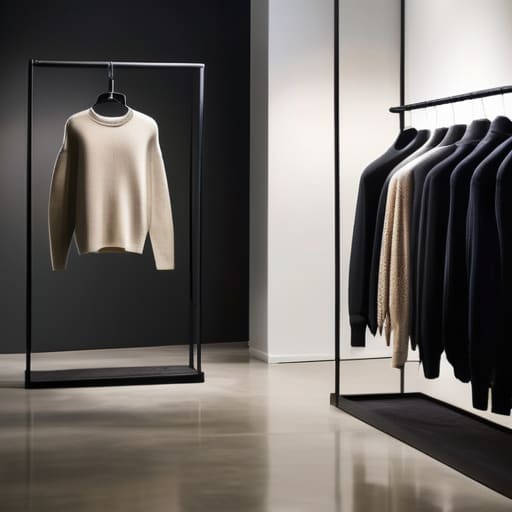
Here’s the thing: I’ve seen so many small labels land a spot in a high-end boutique, only to watch their hard work get treated like clearance rack filler. It’s not just about whether they have the floor space; it’s about retailer brand alignment. If you’re pouring your soul into heavy-weight, ethically sourced garments, but the shop is styling them alongside ultra-fast fashion pieces that lose their shape in a week, your brand identity is going to get muddied. You aren’t just selling a shirt; you’re selling a specific standard of craft, and a mismatched shop can completely devalue that perceived quality.
When you’re refining your retailer partnership strategies, you have to look past the initial excitement of a “yes.” A shop that doesn’t “get” your aesthetic or your price point will eventually start pushing for deep discounts just to move units. That’s a trap. If their customer base is looking for cheap hits rather than longevity, they’ll treat your pieces like disposables. You need to vet them as much as they vet you, ensuring they actually respect the technical intention behind your construction.
How to spot a stockist that’s actually worth your time

- Stop looking at their follower count and start looking at their floor space; if they’re cramming your carefully constructed garments next to fast-fashion scraps, they’re going to kill your perceived value before the customer even touches the fabric.
- Vet their lighting and shelving like you vet your cotton suppliers—if they’re going to display your work in a dark corner or under harsh, cheap fluorescents, they aren’t doing your craft any favors.
- Demand to know their markdown policy upfront because nothing ruins a small-run drop faster than seeing your pieces sitting in a “70% off” clearance bin three weeks after they launch.
- Ask about their “touch factor”—if they don’t allow customers to actually feel the weight of the fabric or see the seam construction, they aren’t selling your design, they’re just selling a silhouette.
- Prioritize retailers who actually understand the difference between a seasonal trend and a garment built to last; you want partners who can explain your GSM to a customer, not just scan a barcode.
The reality check
Stop treating every shop that says “yes” like a win; if their floor feels cheap and their vibe is off, they’re going to devalue the actual craft you put into your pieces.
Get your wholesale terms in writing before you ship a single box, because a “friendly” retailer who refuses to respect your MAP (Minimum Advertised Price) will kill your brand’s perceived value faster than a bad print job.
Focus on quality of partnership over quantity of doors; I’d rather have three stockists who actually understand why my GSM is higher than fifty shops that just want to fill a rack.
Frequently Asked Questions
How do I actually tell a shop owner that their floor display is making my garments look cheap without burning the bridge?
Look, I get it. You see your heavy-weight, perfectly structured pieces shoved next to some flimsy, fast-fashion junk and it physically hurts. Don’t make it a confrontation about their taste; make it about the product’s integrity. Frame it as “protecting the garment’s silhouette.” Tell them, “I’ve noticed the current display setup is compressing the fabric, and I want to make sure the quality really pops for the customers.” It’s not a critique; it’s brand maintenance.
Is it better to take a huge order from a massive retailer if it means I have to compromise on the quality of my blanks just to hit their price point?
Look, I’ve been there, staring at a massive PO that looks like a dream until you actually do the math on the garment specs. If you swap your heavy-weight, high-GSM blanks for some thin, scratchy scraps just to hit a retailer’s price point, you aren’t “scaling”—you’re sabotaging yourself. One bad batch of shrinking, pilling shirts will kill your reputation faster than any big order can build it. Don’t trade your craft for a quick payout.
What are the actual red flags I should look for in a wholesale contract before I sign my life away to a stockist?
Watch out for “exclusivity” clauses that tie your hands. If a shop wants to be the only one in the city carrying your stuff, they better be paying a premium for that privilege. Also, scrutinize the return policy. If they’re trying to offload unsold stock back onto you at full price, run. You’re a producer, not a warehouse for their bad merchandising decisions. If the contract feels one-sided, it usually is.