I was sitting in my shared studio last Tuesday, surrounded by the smell of plastisol ink and the hum of a heat press, scrolling through a “must-have” streetwear drop that had been plastered all over my feed. The influencer shots were gorgeous—perfect lighting, moody shadows, the whole nine yards—but when I actually held the sample they were promoting, it felt like a glorified dishcloth. It’s the same old story: the gap between social media and clothing brands is getting wider every single day, fueled by a desperate need for aesthetic over substance. We’ve reached a point where a well-curated grid can make a total disaster of a garment look like a premium staple, and honestly, it’s exhausting to watch.
I’m not here to give you a masterclass on how to hack the algorithm or pick the perfect filter. Instead, I want to pull back the curtain on what actually happens when the screen turns off. I’m going to show you how to distinguish between a brand that’s actually investing in high-quality construction and one that’s just renting its hype through paid ads. We’re going to talk about what to look for so you stop wasting your money on clothes that fall apart after three washes.
The High Cost of Using Visual Storytelling for Clothing Lines to Mask Cheap
The problem with heavy visual storytelling for clothing lines is that it creates a massive gap between the screen and the doorstep. I’ve seen it a hundred times: a brand spends their entire budget on a high-production lookbook with professional lighting and moody filters, making a basic hoodie look like a piece of art. But when that customer finally unboxes it, they realize they’ve been sold a dream wrapped in a 120 GSM single jersey that’s basically translucent. You can use all the cinematic lighting in the world, but it won’t hide the fact that the side seams are twisting after one wash.
When brands lean too hard into fashion influencer marketing strategies without backing it up with actual substance, they aren’t building a community; they’re just renting an audience. High engagement is great for a quick spike, but if your product feels like disposable paper, you’re essentially paying for your own downfall. Real building brand loyalty through social media requires more than just a curated grid; it requires the confidence to show the grainline, the weight of the fabric, and the durability of the stitching. If the aesthetic is the only thing holding the brand together, it’s going to fall apart the second the first customer tries to wash it.
Why Fashion Influencer Marketing Strategies Fail When the Seams Dont Hold U
Here is the reality of most fashion influencer marketing strategies: they are built on a foundation of pure optics. An influencer can pose in a studio-lit loft, looking effortless in a “new drop,” but that aesthetic disappears the second a customer actually puts the garment on. If the shoulder seams are puckering or the hem is twisting because the manufacturer cut the grain crookedly, no amount of high-def video is going to save that brand. You can’t curate your way out of a bad construction.
When brands rely solely on aesthetic hype, they completely miss the mark on building brand loyalty through social media. Real loyalty isn’t born from a fleeting moment of Instagram engagement for apparel brands; it’s built when a customer washes a shirt three times and it actually keeps its shape. If the garment fails after one cycle, that influencer’s recommendation feels like a lie, and the brand is dead in the water. I’ve seen too many “viral” labels crumble because they prioritized the unboxing experience over the actual structural integrity of the stitch.
How to actually build a brand that survives the scroll
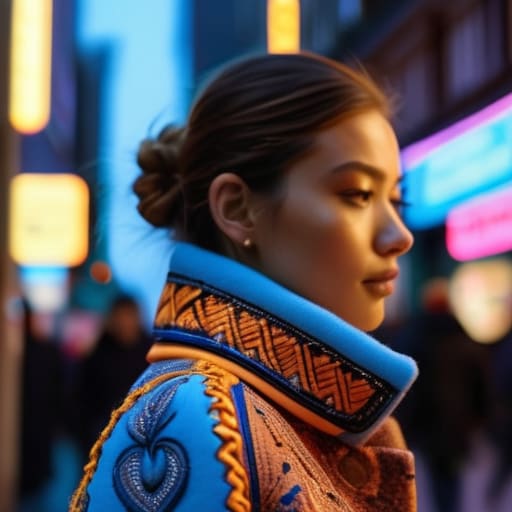
- Stop chasing the “aesthetic” and start showing the construction; a close-up video of a double-needle topstitch does more for your credibility than a filtered lifestyle shot in a studio.
- Use your platform to educate your customers on GSM and fabric composition so they understand why your price tag isn’t just “hype”—it’s the cost of better materials.
- Treat your comments section like a quality control lab; if people are complaining about shrinkage or pilling after a week, don’t hide the comments, fix the pattern and tell them how you did it.
- Stop relying on “drop culture” to mask mediocre blanks; if your entire marketing strategy is just a countdown timer, you don’t have a brand, you have a fleeting moment of hype that will leave people with nothing but a drawer full of paper-thin tees.
- Vet your collaborators by asking for a sample first; if an influencer’s video makes the garment look amazing but the actual piece feels like a cheap promotional giveaway, your brand’s reputation will die in the unboxing.
The Bottom Line: Craft Over Clout
Stop letting a curated grid distract you from the technical specs; if the GSM is low and the construction is sloppy, no amount of aesthetic lighting will make that garment a staple in anyone’s wardrobe.
Authenticity in this industry isn’t about a specific filter or a trending audio—it’s about the integrity of the build, from the tension in the stitching to the weight of the fabric.
Build for longevity rather than the algorithm, because a brand that relies on hype to mask poor pattern cutting will eventually be exposed the moment a customer actually tries to wear the piece.
Frequently Asked Questions
How can I actually tell if a brand is using high-quality fabric just by looking at their Instagram feed?
Look, you can’t judge a garment by a high-contrast studio shot, but you can look for the “stress tests.” Stop scrolling past the polished models and look for the close-ups—or better yet, the unedited videos. Does the fabric drape with weight, or does it look stiff and papery? Check the way light hits the weave; if it looks unnaturally shiny or shows weirdly uneven textures, it’s likely a cheap synthetic blend masquerading as premium.
Is there a way to hold a brand accountable for their quality when they only post highly edited studio shots?
Honestly, the best way is to demand the “unfiltered” truth. Stop looking at the studio lighting and start looking for tagged user photos or raw video reviews. If a brand refuses to show the garment in natural light or a non-professional setting, that’s a massive red flag. I always check the comments for mentions of shrinkage or pilling. If they won’t show you the grainline or the stitching under a real lens, they’re hiding something.
If I'm starting my own small label, how much should I actually be spending on professional content versus investing in better blanks and construction?
Look, I get the temptation to spend your last cent on a high-end studio session, but please—don’t. A cinematic reel can’t hide a crooked hem or a fabric that pills after one wash. If you have $1,000, put $800 into sourcing heavy-duty blanks and decent construction. Use the remaining $200 to shoot some decent, honest content on an iPhone. People will forgive a grainy photo, but they won’t forgive a shirt that falls apart.