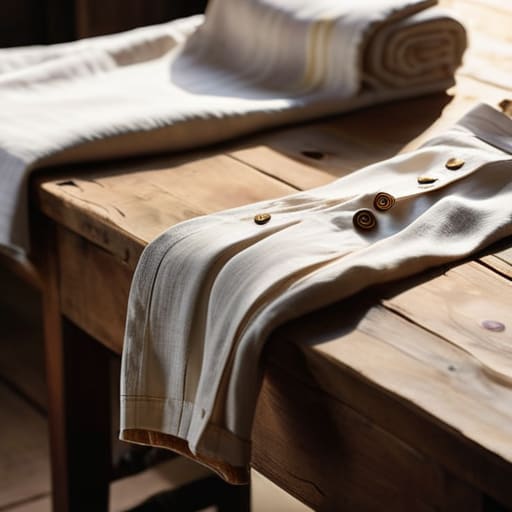
I was sitting in a cramped, humid studio last Tuesday, staring at a pile of “premium” heavyweights that were supposed to be the backbone of a new drop. The marketing deck for the brand was full of poetic nonsense about “redefining the urban landscape,” but when I turned the garment inside out, I saw the truth: raw, fraying edges and cheap overlock stitching that wouldn’t last three washes. It’s the same problem I see everywhere—people trying to fake storytelling in clothing brands by using buzzwords and high-budget mood boards to mask the fact that they haven’t actually thought about the physicality of what they’re making.
I’m not here to teach you how to write a catchy Instagram caption or how to hire a lifestyle photographer to make a mediocre hoodie look “aesthetic.” My promise to you is much more practical. I want to show you how to build a narrative that is actually anchored in your technical choices, from the specific GSM of your jersey to the way your seam allowances are finished. We’re going to talk about how to make your brand’s story as durable as the clothes themselves, focusing on substance rather than just chasing the next fleeting trend.
Fashion Brand Identity Development Beyond Seasonal Aesthetics
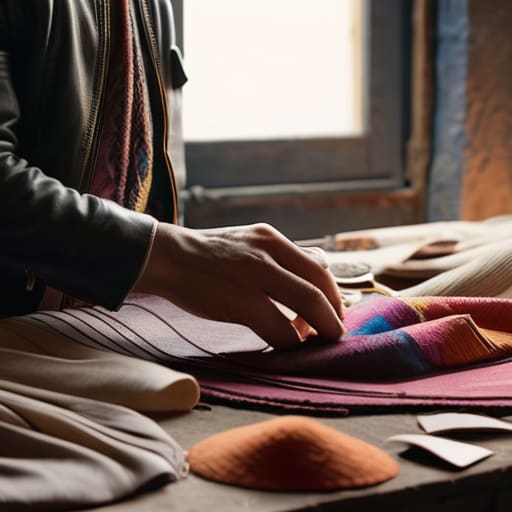
Most brands get stuck in this loop of chasing “vibes”—a specific color palette or a certain oversized silhouette that’s blowing up on Pinterest this month. But if your entire identity is just a collection of seasonal aesthetics, you don’t actually have a brand; you have a mood board. Real fashion brand identity development isn’t about picking a font and a pastel color scheme; it’s about deciding what your clothes actually stand for when the trend cycle inevitably moves on. I’ve seen so many startups burn through their budget on high-end lookbooks only to realize they have nothing to say once the “aesthetic” becomes stale.
You have to dig into the why behind the construction. Are you making heavy-duty workwear because you value durability, or are you just using thick fleece because it’s easy to source? When you lean into the technicality—the specific weight of a loopback cotton or the way a reinforced seam is built—you start building brand loyalty with narrative. You’re moving away from being a disposable option and moving toward being a label that people actually trust. It’s the difference between selling a shirt and selling a piece of craftsmanship that people feel compelled to keep for a decade.
Leveraging Consumer Psychology in Fashion to Build Substance

Look, we need to talk about why people actually keep a piece of clothing in their rotation for five years instead of tossing it after three washes. It isn’t just about a cool graphic; it’s about consumer psychology in fashion and how we perceive value. When someone buys into your brand, they aren’t just purchasing a heavy-weight cotton hoodie; they are buying into a feeling of belonging or a specific way of moving through the world. If your marketing is just “look how cool this model looks,” you’re building on sand. You have to tap into that emotional connection through apparel by making the wearer feel like they are part of something that actually has weight—both literally and figuratively.
Instead of trying to manipulate people with flashy countdown timers or fake scarcity, use your design process to create substance. When you show the grit of the studio or the reason you chose a specific rib knit, you’re practicing visual storytelling in fashion marketing that actually respects the customer’s intelligence. People crave authenticity because they are exhausted by the hype cycle. When you bridge that gap between the technical specs and the human experience, you stop being just another label and start becoming a staple.
How to Stop Selling "Vibes" and Start Selling Substance
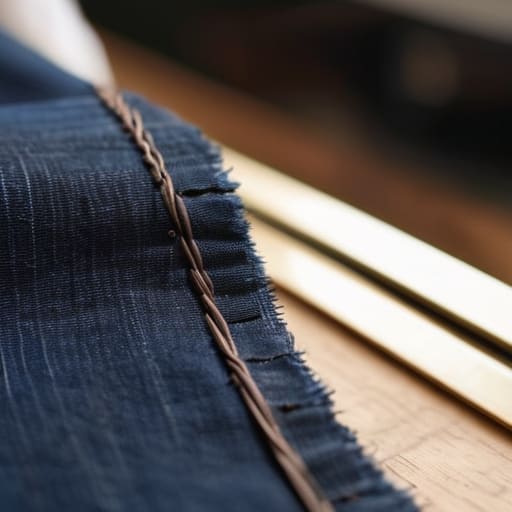
- Stop hiding behind mood boards. If your brand story is just a collection of grainy film photos and a vague aesthetic, you aren’t storytelling; you’re just curating a Pinterest board. Tell us why you chose a specific 400 GSM French Terry or why you opted for a double-needle topstitch instead of a cheaper single stitch. The “story” is in the decisions you made when no one was looking.
- Document the failures, not just the final drop. Everyone shows the polished lookbook, but I want to see the sample that came out with the wrong sleeve pitch or the print that bled during the first wash. Showing the grit of the production process builds more trust than any high-budget marketing campaign ever could.
- Treat your technical specs like a narrative arc. A good garment should have a beginning, middle, and end—from the raw fiber to the way it drapes on the body after twenty washes. When you explain your seam allowances or your fabric sourcing, you aren’t being “nerdy,” you’re giving the customer a reason to value the price tag.
- Find your “Why” in the construction, not the trend. Don’t tell me your brand is “inspired by 90s skate culture” just because it’s easy. Tell me why you’re rebuilding a specific silhouette from a vintage piece you found in a thrift shop. Specificity is the antidote to the generic, mass-produced garbage that’s flooding the market right now.
- Build a community around longevity, not hype. Most brands tell you to buy more; real storytelling tells you how to care for what you already own. If your brand’s narrative includes how to wash a heavy cotton tee to prevent shrinkage or how to repair a fraying hem, you’re telling the customer that you actually care about the garment’s life after the transaction.
The Real Stuff: What Actually Sticks
Stop trying to out-trend the algorithm and start obsessing over the details that don’t change, like your construction methods or why you chose a specific weight of cotton.
A brand isn’t a mood board of aesthetic photos; it’s the logic behind your decisions, from the way your seams are finished to the actual reason your garments exist in the first place.
Use your story to justify your price tag—if you’re charging more, your narrative needs to bridge the gap between a “cool design” and the technical reality of how that piece was actually built.
Frequently Asked Questions
If I'm not a massive house with a huge marketing budget, how do I actually tell a story without it feeling like I'm just trying too hard?
Stop trying to film cinematic mini-movies in a studio you can’t afford. That’s where the “trying too hard” vibe comes from. Real storytelling for us isn’t a polished campaign; it’s showing the actual mess. Show the rejected samples, the way the ink looks on a specific 280 GSM cotton, or why you spent three weeks obsessing over a single seam allowance. If you lead with the craft, the story tells itself.
At what point does "storytelling" just become a fancy way of masking low-quality manufacturing or cheap blanks?
It becomes masking the second the “story” doesn’t match the tactile reality. If you’re selling a narrative about “heritage craftsmanship” but the garment arrives with puckered seams, uneven hemlines, or a paper-thin blank that loses its shape after one wash, you’re not storytelling—you’re gaslighting. A good story should justify the price tag by highlighting the technical details, like a heavy GSM or a reinforced neck rib. If the words are heavy but the fabric is light, it’s just marketing fluff.
How do I balance sharing the messy, technical reality of my production process with the need to keep the brand looking polished and intentional?
Look, don’t mistake “polished” for “perfect.” If your feed is just studio shots and flawless models, it feels like a catalog, not a brand. I always say: show the tension in the stitching or the pile of scrap fabric on my cutting table, but frame it with intent. Use the mess to prove the craft. A shot of a crooked seam being corrected tells a better story of quality than a thousand high-res lifestyle photos ever could.