
I still remember the smell of fresh plastisol ink and the crushing weight of a $2,000 invoice for a shipment of heavyweight blanks that sat in my studio for six months, gathering dust. I had fallen for the classic trap: I thought having a “cool aesthetic” was enough to move units, but I hadn’t actually spoken to a single human being about what they wanted to wear. I was so obsessed with the technical specs of the fabric that I completely ignored the most vital part of the process, which is building an audience before products actually exist. If you follow the hype-driven advice of “just launch and they will come,” you aren’t a designer; you’re just a person with a very expensive pile of unsold cotton.
I’m not here to sell you on some “passive income” guru’s masterclass or tell you that you need a million followers to succeed. Instead, I want to show you how to use your community as a living mood board to ensure your first drop actually lands. We’re going to skip the marketing fluff and focus on how to vet your specs, test your concepts, and build a real connection so that when you finally do hit ‘print,’ you aren’t just praying for sales—you’re fulfilling a demand.
Validating Product Market Fit Without Spending a Cent
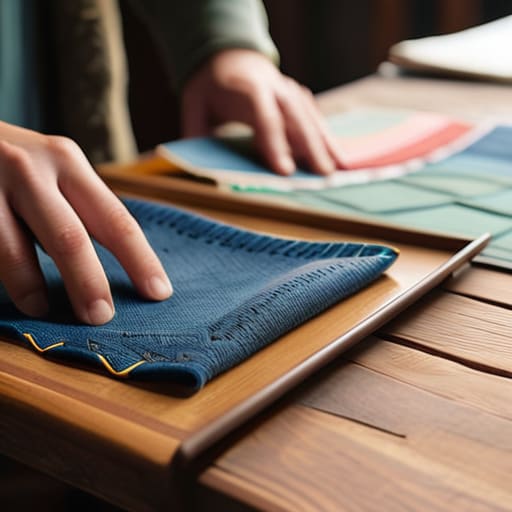
Look, I’ve seen so many people blow their entire savings on a massive shipment of heavy-weight hoodies only to realize nobody actually wanted that specific shade of sage green. You don’t need a factory sample to see if people care; you just need to start talking. Instead of guessing, lean into content marketing for product development. Post a video of yourself debating between two different fabric weights or showing the difference between a single-needle and a double-needle stitch. When people start commenting, “Actually, I’d pay more for the heavier one,” that’s your signal.
This is where validating product market fit actually happens in the real world—not in a spreadsheet, but in the comments section. Use your social platforms to treat your followers like a design studio. If you show them the struggle of finding the right seam allowance or the perfect neck rib, they aren’t just consuming content; they’re helping you build the blueprint. By the time you actually hit ‘order’ on that first production run, you won’t be praying to the gods of retail; you’ll be fulfilling a demand you already verified.
Building a Mailing List Early to Avoid Dead Stock

Look, I’ve seen too many people blow their entire budget on a custom run of heavyweight hoodies only to realize they’ve basically just bought a very expensive pile of laundry that nobody wants. This is why building a mailing list early is non-negotiable. A mailing list isn’t just a collection of email addresses; it’s a direct line to the people who actually give a damn about your specific aesthetic or your construction methods. When you have a list of even a few hundred people who have been following your journey from the first pattern draft to the final sample, you aren’t guessing anymore—you’re predicting.
Instead of dumping your savings into a massive order of blanks, use your email list as a sandbox. Send out polls about GSM preferences or ask which colorway feels more “you.” This kind of content marketing for product development turns your followers into stakeholders. By the time you actually hit “order” with your manufacturer, you aren’t praying to the gods of retail; you’re fulfilling demand that you’ve already quantified. It’s the only way to ensure your first drop actually moves, rather than just gathering dust in a studio corner.
Stop Guessing and Start Testing: 5 Ways to Build a Real Community

- Treat your design process like a public conversation, not a secret vault; post your mood boards and fabric swatches early so people feel like they’re helping you build the brand, not just buying from it.
- Run “spec polls” on your stories to see if people actually want a heavy 300 GSM oversized fit or if they’re looking for something more standard; it’s much easier to change a tech pack than it is to liquidate a box of shirts nobody wants to wear.
- Focus on the “why” behind your construction, not just the aesthetic; if you start talking about why you chose a specific flatlock stitch or a certain cotton weight, you’ll attract the kind of customers who actually value craft over a logo.
- Don’t just chase follower counts—chase engagement depth; I’d much rather have 200 people asking me specific questions about seam allowances in my DMs than 10,000 bots that won’t click a link when you finally drop a collection.
- Use your early content to document the “fails,” like when a screen print goes wrong or a sample comes back looking like trash; showing the messy reality of production builds more trust than any polished marketing campaign ever could.
The Bottom Line: Don't Let Your Inventory Become Your Downfall
Stop treating “launch day” like a lottery ticket; if you haven’t been talking to people about your specific fabric specs or design direction for months, you aren’t ready to pull the trigger on a production run.
Use your community as a sounding board for the technical stuff—ask them if they actually want a heavy 300 GSM oversized fit or if they’d prefer something lighter—because guessing wrong is the fastest way to turn your bank account into a pile of unsold deadstock.
Data beats hype every single time, so prioritize a growing mailing list of people who actually care about your craft over a thousand random followers who will never click a “buy” link.
Frequently Asked Questions
If I’m not selling anything yet, how do I actually talk to people without sounding like a walking advertisement for a brand that doesn't exist?
Stop trying to “launch” and start documenting. If you’re constantly posting “Coming Soon” graphics, you’re just shouting into a void. Instead, show the mess. Post a photo of a failed sample or a thread about why you hate a specific fabric weight. Talk about the technical stuff that actually matters—like why you’re obsessing over a particular GSM. If you lead with the craft and the struggle, people connect with the maker, not the logo.
How much "behind-the-scenes" stuff is too much—should I be showing the messy pattern cutting and failed samples, or just the polished aesthetic?
Show the mess. Seriously. If you only post the polished, high-res lookbook shots, you’re just contributing to the same marketing noise I’m trying to cut through. People don’t connect with perfection; they connect with the struggle of a seam that won’t sit right or a sample that looks like a potato. Show the failed prototypes and the scraps on the floor. That’s where the actual craft lives, and that’s what builds real trust.
Is it better to focus on a massive following on Instagram or TikTok, or should I be obsessively moving everyone toward a private Discord or email list from day one?
Look, don’t get caught up in the vanity of follower counts. A million likes on a TikTok dance won’t pay for a single bolt of heavy-weight French terry. Socials are just your storefront window—they’re great for discovery, but you don’t own them. If the algorithm shifts tomorrow, your “audience” vanishes. Move them to Discord or an email list immediately. That’s where the real community lives, and more importantly, where you actually own the connection.