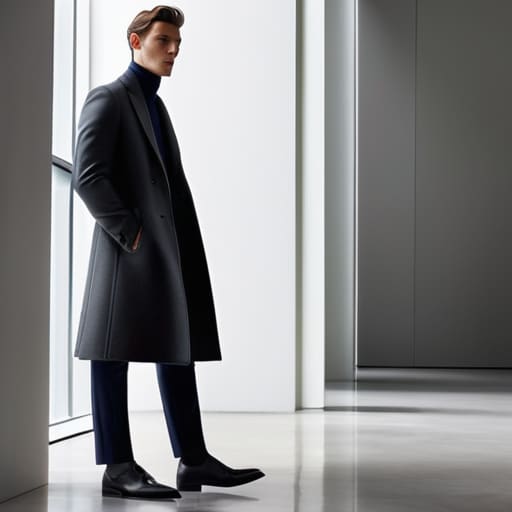
I am so sick of seeing “tall collections” that are nothing more than a standard slim-fit shirt with an extra two inches of fabric tacked onto the hem. If you’ve ever spent twenty minutes in a changing room realizing that a brand’s “tall” range is just a marketing gimmick designed to charge you an extra ten pounds, you know exactly what I’m talking about. Most of the advice you see online about dressing for a taller frame is just fluff about “creating horizontal lines,” but they never actually talk about why your favorite heavyweight tee suddenly looks like a crop top after one wash.
I’m not here to give you a list of aesthetic trends that will be dead by next season. Instead, I want to talk about the actual construction and physics of clothing. We’re going to dive into how GSM affects how a garment hangs on a long torso, why seam allowance matters for your proportions, and how to spot a well-patterned piece before you waste your money. I’ll show you how to stop fighting your body and start looking for intentional design that actually respects your height.
Mastering Clothing Proportions for Tall Men and Women
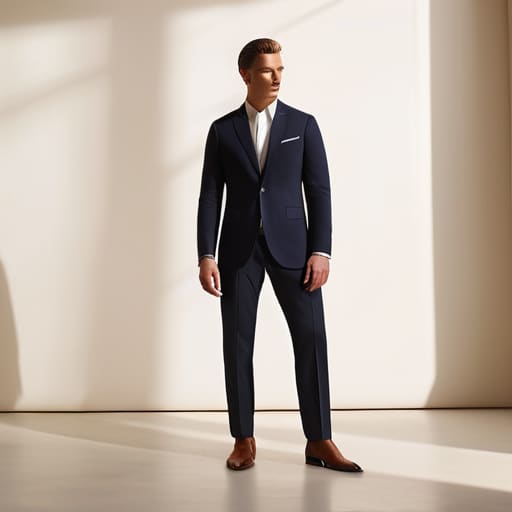
The biggest mistake I see people make is trying to hide their height by wearing oversized, shapeless sacks. It backfires every single time. If you’re trying to avoid the lanky look, you actually need to embrace structure rather than drowning in it. For those of us with extra length in the torso or limbs, the goal isn’t to look “smaller,” it’s about finding clothing proportions for tall men and women that actually respect where your joints are. If a shirt hem hits you at the mid-hip instead of the waist, it’s going to make your legs look disproportionately short.
I always tell my clients to look at the seam placement. When you’re figuring out how to balance long limbs, pay attention to where the shoulder seam sits; if it’s drooping down your arm, the whole garment is a fail. I’m a huge advocate for intentional layering techniques for height—think a structured chore coat or a heavy denim jacket over a tucked-in tee. This breaks up the vertical line of your body so you don’t just look like one long, unbroken stripe of fabric.
How to Balance Long Limbs Without Losing Shape
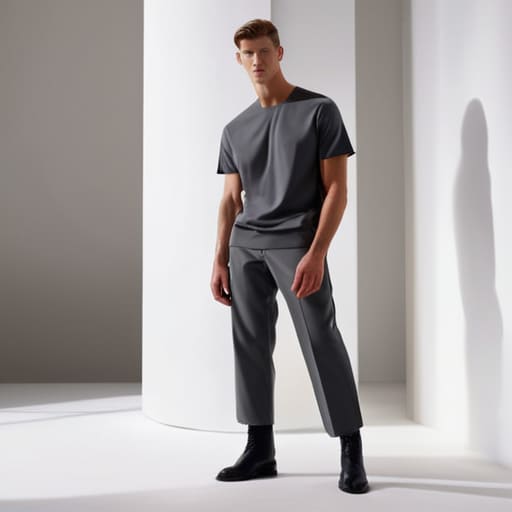
The biggest mistake I see is people trying to hide their height by wearing oversized, shapeless sacks. If you’re tall, “oversized” shouldn’t mean “unstructured.” When you wear clothes that have zero architecture, you end up looking like you’re just drowning in fabric, which is the fastest way to achieve that awkward, unintentional lanky look. Instead, you need to focus on structural integrity. I’m talking about garments with enough weight—think a heavy 300 GSM cotton—that actually hold their own shape against your frame rather than just draping limply over your limbs.
A huge part of how to balance long limbs is playing with horizontal lines and visual breaks. If you wear one continuous color from shoulder to ankle, you’re essentially just a vertical line, which can feel a bit overwhelming. I always suggest using layering techniques for height to create “stops” for the eye. A slightly cropped jacket or a heavy-duty flannel worn open over a tucked tee breaks up that verticality. It’s not about shrinking yourself; it’s about creating intentional points of interest so your height looks like a choice, not an accident.
The Technical Stuff: What to Look for on the Label
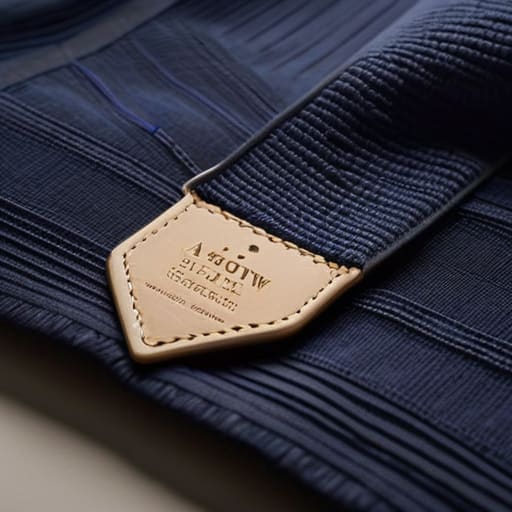
- Stop ignoring GSM. If you’re tall, lightweight fabrics are your enemy because they drape like wet paper and highlight every awkward angle. You need heavy-weight cotton (think 250+ GSM for tees) to give the garment enough structural integrity to actually hold a shape against your frame.
- Check the side seam construction. A lot of fast-fashion brands cut their patterns for “average” heights and just stretch the fabric vertically, which ruins the silhouette. Look for garments with reinforced side seams so the shirt doesn’t twist or pull weirdly when you move.
- Watch the rise on your trousers. Low-rise pants are a nightmare for long legs because they make your torso look disproportionately tiny and your hips look massive. Aim for a mid-to-high rise; it actually respects your anatomy instead of fighting it.
- Inspect the cuff and hem depth. There is nothing more frustrating than a “tall” fit that still feels like a crop top. Check the measurements for the sleeve length and total body length before you buy—if the cuff doesn’t have enough room for a decent ribbing, it’s going to roll up the second you move your arms.
- Prioritize seam allowance. When you’re tall, you often need to make slight adjustments to get things perfect. If a garment has zero seam allowance (meaning the fabric is cut right to the edge), you’re stuck with it. Look for quality pieces that actually leave a bit of extra fabric inside so you can tailor them to your specific limb length.
The Real Cost of Ignoring Fit and Fabric
Stop buying “one size fits most” fast fashion; if you’re tall, you need to prioritize heavy GSM fabrics that actually hold their structure instead of clinging to your limbs in all the wrong places.
Proportions aren’t about hiding your height, they’re about managing scale—use intentional seam placement and weight to ensure your clothes look like they were made for your frame rather than just being stretched thin.
Always check the construction before the aesthetic; a garment might look great on a hanger, but if the hem length and sleeve proportions are off, you’ll spend your whole life tugging at it.
Frequently Asked Questions
How do I find heavy-duty basics that actually have the length to match a high GSM without looking like I'm wearing a dress?
The struggle is real. Most brands think “heavyweight” just means a thicker fabric, but they forget to actually scale the pattern. You end up with a 300 GSM shirt that’s basically a tent. Look for brands that specifically mention “tall” ranges or check the side-seam measurements before buying. You want a structured drop shoulder that holds its shape, not a boxy cut that swallows your hips. If the hem is too wide, it’s a dress.
Is it actually worth paying the premium for "tall" ranges, or am I just paying for a slightly longer hem on a standard cut?
Look, I’ve seen enough poorly constructed blanks to tell you: most “tall” ranges are just a lazy hack. If they’re just adding two inches to the hem without adjusting the armholes or the rise, you’re just paying a premium for a longer shirt that still fits like a crop top. Look for actual grading—longer sleeves and adjusted torso proportions. If the pattern hasn’t been re-cut, it’s just a marketing tax.
How can I tell if a garment is poorly constructed for my height just by looking at the seam allowance and shoulder construction?
Flip the garment inside out—seriously, do it. If the seam allowance is razor-thin, it’s a red flag; there’s zero room for adjustments if the torso is too short. Check the shoulder seams too. If they’re sitting awkwardly high or look like they’re straining against the fabric, that’s poor pattern cutting. You want a bit of “meat” in those seams so the garment actually has the structural integrity to hang properly on a longer frame.