I’m so tired of seeing “style guides” for shorter people that basically just suggest wearing monochromatic outfits and avoiding baggy clothes like they’re radioactive. It’s such a reductive, boring way to approach dressing for a shorter frame, and honestly, it feels like being told to just hide rather than actually dress. I remember sitting in my first shared studio, surrounded by half-finished samples, realizing that most “tall-centric” streetwear is just a massive middle finger to anyone under 5’7″. If you follow that generic advice to stay slim and tucked in, you aren’t building a wardrobe; you’re just building a cage that makes you look like you’re playing dress-up in your older sibling’s closet.
I’m not here to sell you on a “look” or tell you which influencer is wearing what this week. Instead, I want to talk about architecture—the way a heavy-weight jersey drapes or how a specific rise in a trouser can change your entire silhouette. We’re going to look at GSM, seam placement, and fabric tension to figure out how to make clothes actually work for you. No hype, no fluff, just the technical reality of how to wear what you love without getting swallowed whole.
Why Vertical Line Dressing Techniques Beat Seasonal Fads
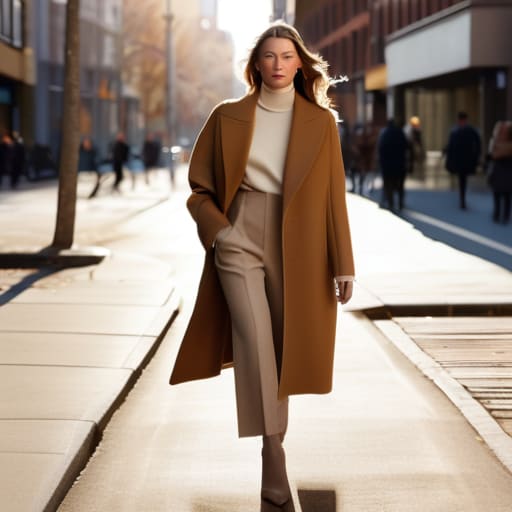
Look, I’m tired of seeing “micro-trends” tell people they need to wear specific silhouettes just because a certain influencer is doing it this week. Most of these seasonal fads are designed for a very specific, very tall body type, and trying to force your frame into them is a recipe for frustration. Instead of chasing a trend that cuts you in half visually, I’m a huge advocate for vertical line dressing techniques. It’s not about magic tricks; it’s about managing where the eye stops moving. When you use continuous lines—like a long coat or a specific color flow—you’re directing the gaze upward rather than letting it get stuck at your hips.
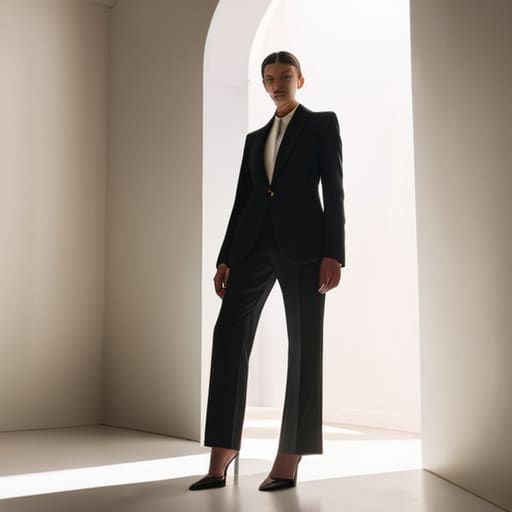
This is where understanding clothing proportions for short stature actually becomes useful. If you buy into the hype of heavy, horizontal color-blocking, you’re basically slicing yourself into segments. I’d much rather see you lean into monochromatic outfit ideas for short frames. When your top and bottom share a similar tone or texture, you aren’t creating those jarring visual breaks that make you look “stunted.” It’s about creating a cohesive column of color that lets the garment’s construction do the work, rather than fighting against your own anatomy.
The Truth About Fabric Weight and Dressing for a Shorter Frame
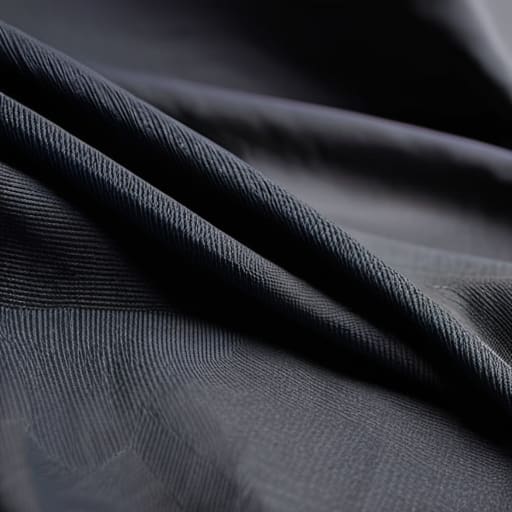
Everyone loves to talk about “vertical lines” like they’re some magic trick, but they always forget to mention the actual physics of the cloth. If you’re working with flimsy, low-GSM jersey, those vertical lines aren’t going to do a damn thing because the fabric is just going to cling and bunch in all the wrong places. When I’m sourcing blanks for my own runs, I’m always looking at how a fabric holds its shape. For anyone looking for clothing proportions for short stature, the weight of the textile is your best friend or your worst enemy. A heavy-weight cotton with enough structure can actually create a clean, continuous silhouette that doesn’t collapse into a mess of wrinkles.
On the flip side, if you try to pull off those “oversized” trends using thin, cheap materials, you aren’t going to look effortlessly cool—you’re just going to look like you’re being swallowed by a shapeless bag. If you want to master how to look taller with clothes, look for fabrics that have a bit of “body.” A structured denim or a heavy twill helps maintain that intentional line from your waist down, preventing the visual “choppiness” that happens when light fabrics drape awkwardly around your ankles or hips.
Stop Trying to Look Taller and Start Looking Better Proportioned
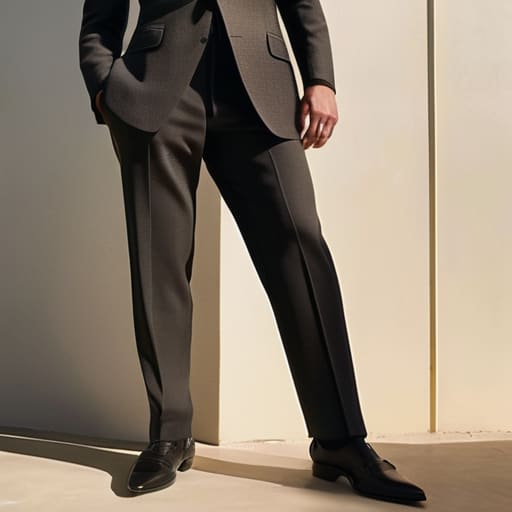
- Ditch the massive, heavy-weight hoodies if you’re on the shorter side; unless the hem hits exactly at your hip, that extra bulk is just going to turn you into a rectangle.
- Pay attention to the rise on your trousers—low-rise is a nightmare for shorter legs, so look for a mid-to-high rise that actually makes your waistline look like it belongs to your torso.
- Stop buying “oversized” pieces just because they’re trending; if the shoulder seam is dropping halfway down your bicep, you aren’t making a statement, you’re just wearing someone else’s clothes.
- Watch your seam allowances and hemlines—a simple trip to a tailor to get your trousers tapered or your sleeves shortened is the difference between looking intentional and looking like you outgrew your wardrobe.
- Stick to monochromatic or tonal color palettes rather than high-contrast blocking; breaking your body into horizontal chunks with a bright white tee and black pants is the fastest way to visually cut your height in half.
The Bottom Line: Stop Chasing the Silhouette
Stop letting “oversized” trends dictate your shape; if you’re on the shorter side, look for heavy GSM fabrics that hold their own structure instead of thin materials that just collapse and swallow your frame.
Prioritize the seam over the trend—ensure your shoulder seams actually hit where your bone does, because a dropped shoulder that’s too extreme isn’t “streetwear,” it’s just making you look like you’re wearing someone else’s clothes.
Focus on the construction of your proportions, not just the length; a well-cut, structured garment will do more for your vertical line than any “elongating” styling hack you see on a TikTok feed.
Frequently Asked Questions
If I'm going for that oversized streetwear look, how do I find a heavy-weight hoodie that doesn't make me look like I'm wearing a tent?
The secret is all in the shoulder construction and the GSM. If you’re grabbing a massive, 500 GSM fleece, look for a “structured” drop shoulder rather than a “slouchy” one. A slouchy shoulder creates a rounded, collapsing silhouette that just eats your frame. You want a heavy fabric that holds its own shape away from your body, rather than a thin, heavy fabric that just hangs like a wet towel. Check the seam allowance too.
Does the cost of a better seam allowance actually matter when I'm trying to get a custom taper on my trousers?
It matters immensely. If you’re paying for a custom taper, you’re paying for precision, right? If the maker is cutting it too close to the edge with a tiny seam allowance, they have zero room to maneuver. One wrong stitch and they’ve eaten into the actual silhouette of the leg. A generous allowance gives them the “buffer” needed to dial in that exact line you’re after without risking the structural integrity of the trouser.
How do I tell if a "cropped" fit is actually designed with good proportions or if it’s just a poorly cut garment that’s going to ruin my silhouette?
Check the side seams and the hem weight. A well-designed crop should have a deliberate, structured hem—often with a bit of extra weight or a clean finish—that holds its shape rather than just flaring out like a bell. If the proportions are off, the garment will pull awkwardly across the chest or bunch up at the waist. If it looks like they just hacked the bottom off a standard tee, run.