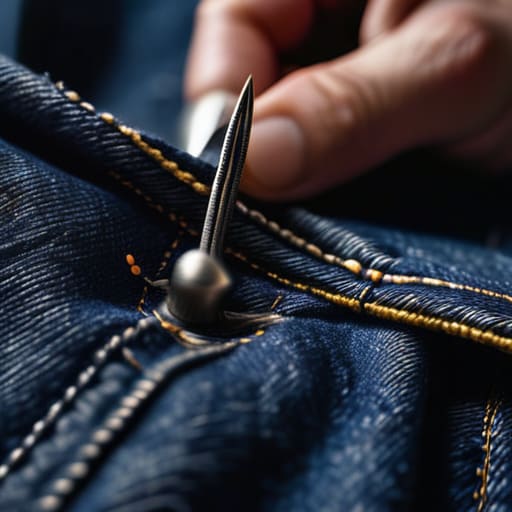
I remember sitting on a milk crate in my first shared studio, surrounded by the smell of industrial steam and burnt polyester, staring at a “designer” jacket that cost me three weeks of rent but fit me like a cardboard box. I had spent hours trying to figure out if I could actually save the silhouette or if I was just throwing money into a void. People act like getting clothes to fit is some mystical, expensive art form, but honestly, most of the gatekeeping around common alterations explained is just noise. You don’t need a couture specialist to fix a hem; you just need to understand how the fabric actually behaves when you pull the thread.
I’m not here to sell you on some “luxury tailoring” lifestyle or tell you which brands are currently trending on your feed. Instead, I want to give you the actual, unfiltered mechanics of how to tweak your wardrobe so it actually serves you. We’re going to strip away the jargon and look at the real-world stuff—from tapering legs to adjusting waistbands—without the hype. Consider this your no-nonsense guide to making sure your clothes finally stop wearing you.
Why Garment Resizing Techniques Can Ruin Your Gsm
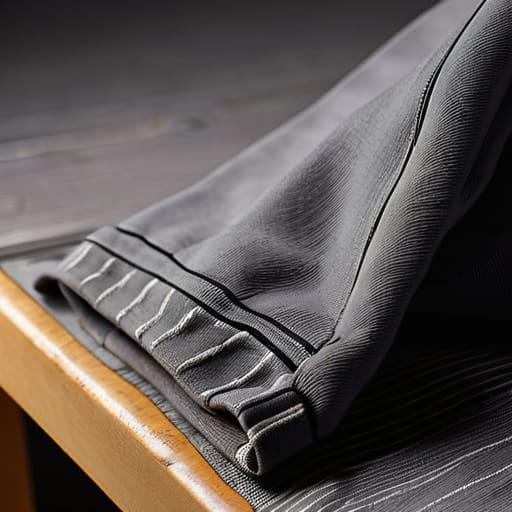
Here’s the thing about garment resizing techniques: people treat them like they’re magic, but they can actually wreck the structural integrity of a piece. If you take a heavyweight, 300 GSM hoodie and try to squeeze it down through aggressive side-seam tapering, you aren’t just changing the fit; you’re fundamentally altering how the fabric drapes. When you pull that extra weight into a tighter silhouette, you risk creating unnatural tension points that make the fabric bunch up in ways it was never designed to.
I’ve seen so many people go into a tailoring services guide thinking they can just “shrink” a garment’s presence without consequence. If you’re doing heavy clothing fit adjustments on a high-quality blank, you have to respect the weight. If you take too much out of the sides, you lose that specific, boxy structure that makes a heavy cotton tee worth the extra cash in the first place. You end up with a shirt that has the weight of a premium piece but the awkward, clingy shape of a cheap fast-fashion reject.
Mastering Dress Alteration Types Without Sacrificing Silhouette
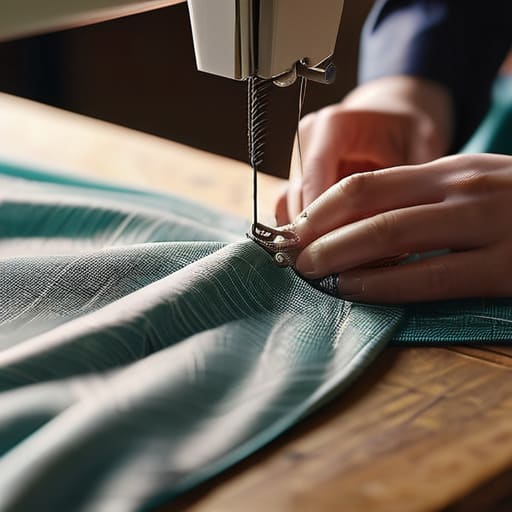
When you start looking into different dress alteration types, it’s easy to get caught up in just making the thing “smaller.” But if you just take in the side seams of a structured midi dress without thinking about the grainline, you’re going to end up with a garment that twists around your hips like a wet noodle. I’ve seen so many pieces ruined because someone treated a complex silhouette like a basic oversized tee. You have to respect how the fabric was originally intended to hang.
If you’re looking for actual clothing fit adjustments that don’t turn your favorite piece into a shapeless sack, you need to focus on the architecture. This means understanding where the weight of the fabric sits. Sometimes, instead of just cinching the waist, you might need to adjust the shoulder slope or the bust darts to keep that intentional shape. It’s the difference between a garment that looks “fixed” and one that looks like it was actually made for your body. Don’t just aim for a tighter fit; aim for a better drape.
5 things I wish people knew before they took their clothes to a tailor
- Don’t just “take it in” at the side seams if you can avoid it. If you’re slimming down a heavy cotton tee or a structured jacket, you’re going to end up with weird puckering that makes the whole piece look cheap. Always ask if they can taper from the armhole or use darts to keep the shape looking intentional rather than just pinched.
- Watch out for the “shorten it” trap with heavy-weight fabrics. If you’re trying to crop a high-GSM hoodie or a heavy canvas work jacket, cutting it too high can totally mess with the way the weight hangs. You might lose that specific drape that makes a good blank feel premium, leaving you with something that just looks boxy in all the wrong places.
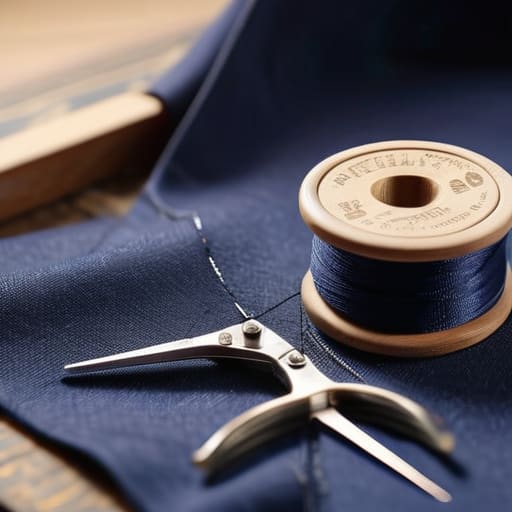
- Check the thread before they start sewing. I’ve seen so many “quick fixes” where a tailor uses standard polyester thread on a high-quality vintage piece, and then the tension is all wrong. If the thread doesn’t match the weight and stretch of the fabric, you’re basically just inviting a seam to pop the first time you actually wear it.
- Hemming isn’t just about length; it’s about the finish. If you’re working with something like a heavy jersey, a standard straight stitch might look amateur. Ask about the stitch type—if you want that authentic streetwear look, you want to make sure the hem doesn’t look like it was done by someone who just grabbed the first spool of thread they found.
- Always inspect the inside of the garment after the work is done. I know, I know, it’s my quirk, but seriously—turn it inside out. If the seam allowances are messy, uneven, or if there’s a bunch of loose thread nesting in the corners, the alteration is going to fail you within three washes. A good alteration should look as clean on the inside as it does on the outside.
The Real Cost of "Quick Fixes"
Don’t let a tailor cut into your seam allowance just to save five minutes; if they take too much, you’re losing the structural integrity of the garment.
Always prioritize the drape of the fabric over a tight fit—if an alteration ruins the way a heavy jersey hangs, you’ve basically paid to ruin a good blank.
Understanding the technical side of your clothes means knowing when a garment is actually beyond saving, rather than just throwing money at a “fix” that compromises the original design.
Frequently Asked Questions
If I take a heavy-weight boxy tee to a tailor to slim it down, am I going to lose that specific drape I bought it for?
Short answer: Yes. Absolutely. If you take a heavy-weight, boxy tee to a tailor and ask them to slim the sides, you’re basically killing the structural integrity of the drape. That “heavy” feel comes from the fabric holding its own shape against your body; once you taper the waist, you’re forcing the fabric to follow your silhouette instead of letting it hang. You’ll end up with a heavy shirt that looks weirdly clingy.
Is it actually worth paying for a professional taper, or am I just paying for someone to mess up my seam allowances?
Look, I get the skepticism. I’ve seen enough “quick fixes” turn a decent pair of trousers into a structural disaster. If you’re DIY-ing a taper with a home machine, you’re likely going to mess up the seam allowance and end up with a weird, twisted leg. Paying a pro is worth it—not for the “service,” but for the technical precision. You’re paying to ensure the grainline stays straight so your clothes actually hang right.
Can you actually fix a garment that's been shrunk in the wash, or is the fiber structure too far gone?
Honestly? It depends on how much of a disaster the wash cycle actually was. If it’s just a bit of tension in the knit, you can sometimes coax the fibers back into shape using some heavy conditioning and manual stretching while damp. But if the heat actually cooked the fibers and snapped the structural integrity? That’s it. Once the molecular structure is trashed, you’re just wearing a very expensive, very small rag.