
I remember sitting on a milk crate in my first shared studio, surrounded by the smell of plastisol ink and cheap coffee, staring at a pile of “premium” blanks that felt more like paper towels than fabric. I had just spent my entire tiny budget on a batch of shirts that looked great on screen but practically disintegrated after the first wash because the construction was absolute garbage. It’s infuriating how much of the industry relies on flashy branding to distract you from the fact that you’re paying for a logo rather than quality. If you’re trying to figure out the real cost breakdown of a printed tee, you have to stop listening to the marketing hype and start looking at the actual math behind the garment.
I’m not here to give you a lecture on how to scale a massive streetwear empire or how to “disrupt” the market. Instead, I want to pull back the curtain on where your money is actually going—from the weight of the cotton to the precision of the screen setup. I’m going to walk you through the unfiltered reality of production so you can stop overpaying for mediocrity and start investing in pieces that actually last.
Wholesale Blank Apparel Pricing vs the True Cost of Quality
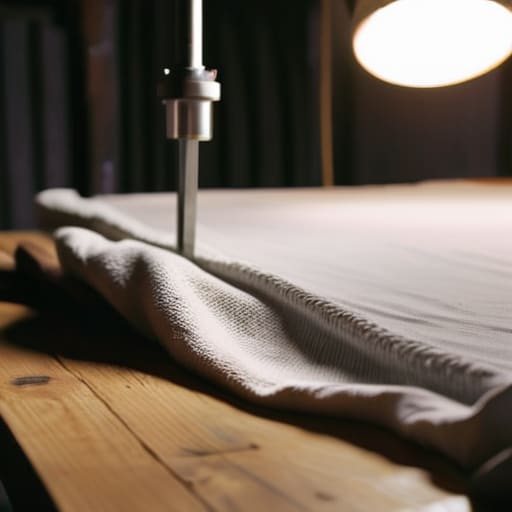
When you’re scrolling through wholesale sites, it’s easy to fall into the trap of thinking a lower price point is just a “better deal.” But here’s the thing: wholesale blank apparel pricing is often a game of hiding the flaws. I’ve spent way too many late nights in the studio realizing that the $3 blank I thought was a steal actually has a weave so loose it puckers the second it hits a screen print setup. You aren’t just saving money; you’re paying for it later in ruined prints and customer returns.
The real math happens when you look at how that blank interacts with your process. If you’re doing a screen printing vs DTG cost comparison, the quality of the fabric changes the entire equation. A cheap, low-GSM poly-blend might soak up ink like a sponge, forcing you to run extra passes and driving up your ink and garment overhead. You might save two dollars on the shirt, but you’ll lose three on the labor and wasted supplies. I’d much rather start with a heavy, consistent blank that actually holds the art, even if the initial unit cost is higher.
Ink and Garment Overhead What the Invoice Doesnt Show
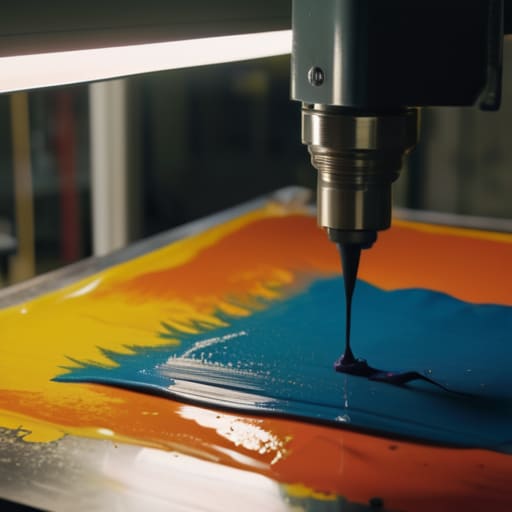
When you get that invoice back from the printer, it’s easy to just look at the line item for the blanks and the line item for the print run. But if you aren’t accounting for the actual ink and garment overhead, your math is going to be way off. There’s a massive difference between the cost of the liquid in the screen and the sheer amount of waste that happens during a setup. I’ve spent way too many late nights in the studio watching expensive plastisol go down the drain because a color wasn’t hitting right or a mesh was clogged. That “invisible” waste is a silent killer for your t-shirt production margins.
Then you have to factor in the technical choice of how you’re actually applying the art. If you’re doing a massive, full-color photographic print, you’re likely looking at a screen printing vs DTG cost comparison that shifts wildly depending on your volume. DTG is great for one-offs, but for a real run, the ink consumption and the specialized maintenance of those heads can eat your profit faster than you realize. You aren’t just paying for the ink on the fabric; you’re paying for the electricity, the chemical washouts, and the inevitable mistakes that happen when you’re pushing a high-speed press.
Five things I wish people would stop ignoring before they hit "order"
- Stop obsessing over the graphic and start checking the GSM. If you’re chasing a cheap price point by dropping from a heavy 240 GSM to a flimsy 140 GSM, you aren’t saving money—you’re just paying for a shirt that’s going to lose its shape after two washes.
- Look at the seam allowance, not just the print area. A cheap blank might give you a huge canvas for your art, but if the stitching is loose or the neck ribbing is paper-thin, that beautiful design is going to look like trash once the garment starts warping.
- Factor in the “misprint tax.” When you’re calculating your margins, you can’t just budget for the exact number of shirts you want to sell. You need to account for the inevitable one or two that get hit with a rogue ink smear or a crooked registration.
- Don’t get blinded by “premium” marketing buzzwords. I’ve seen brands charge a massive markup for “luxury” labels when the actual construction is identical to a standard wholesale blank. Ask for the technical specs, not the lifestyle photography.
- Consider the longevity of the ink type. Plastisol is a classic for a reason, but if you’re going for a soft-hand water-based feel, your setup costs might be higher, even if the end result feels way more high-end and stays intact longer.
The Real Math Behind the Print
Stop obsessing over the graphic design for a second and look at the GSM; a cheap, thin blank will eat your margins through returns and customer complaints faster than you can say ‘trending.’
The “sticker price” of a shirt is a lie if you aren’t accounting for the invisible stuff like ink wastage, screen setups, and the actual labor time it takes to get the registration right.
If a supplier can’t give you a straight answer on seam allowance or fabric weight, they aren’t selling you quality—they’re just selling you hype, and you’ll end up paying for it later.
Frequently Asked Questions
If I switch from screen printing to DTG to save on setup costs, am I actually losing money on the long run?
Look, the math is a trap if you only look at the upfront setup. Yeah, DTG lets you print a single, weirdly specific graphic without paying for screens, but you’re trading labor for high ink and substrate costs. If you’re doing small batches of five or ten, DTG is your best friend. But the second you scale to fifty identical tees? You’re bleeding money. Screen printing is a marathon; DTG is a sprint. Know your volume before you switch.
How much of my final retail price should actually be swallowed up by the cost of the blank itself?
Look, if your blank is eating up more than 25-30% of your retail price, you’re in trouble. I’ve seen too many brands go bust because they fell in love with a heavy-weight, 300 GSM luxury blank and forgot they actually need to pay rent. You want quality, sure, but if the garment cost is swallowing your margins, you won’t have enough left for the printing, the shipping, or—heaven forbid—an actual marketing budget.
Is it even worth paying a premium for organic cotton if the GSM is still low and the shape is going to fail after three washes?
Honestly? No. It’s a total trap. I’ve seen so many “eco-friendly” brands slap an organic label on a flimsy, 140 GSM scrap of fabric and call it a day. If the construction is trash and the silhouette collapses after three washes, you aren’t being sustainable—you’re just buying expensive landfill fodder. Don’t let the organic tag distract you from the weight and the weave. If the GSM is low, the shape is doomed regardless.