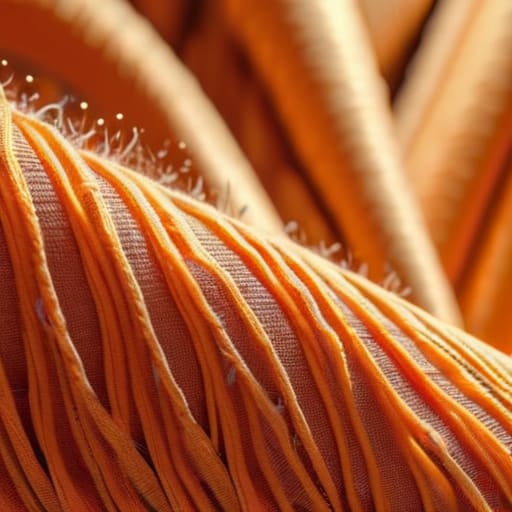
I once spent three weeks obsessing over sourcing the perfect 300 GSM heavy-weight cotton blank, only to watch my entire first run turn into shrunken, misshapen rags because I didn’t understand how the heat was hitting the fibers. It’s a gut-wrenching feeling when you realize you’ve basically paid to destroy your own work. Most people just grab whatever is easiest, but when you’re looking at drying methods compared, the difference between a professional finish and a total wardrobe disaster is actually pretty massive.
I’m not here to give you some polished, lifestyle-magazine version of garment care that ignores the physics of textiles. Instead, I’m going to break down the actual mechanics of how heat, airflow, and moisture affect your pieces. We’re going to look at the real-world impact of tumble drying versus flat drying or hanging, without the marketing fluff. My goal is to give you the unfiltered truth about which method preserves your seam allowances and which ones will eventually turn your favorite vintage-style tee into a crop top you never asked for.
Machine Drying
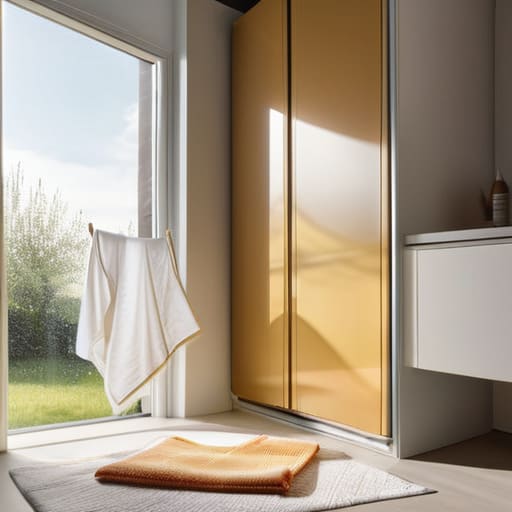
Machine drying is the process of using a mechanical tumble dryer to circulate heated air around wet fabric to evaporate moisture quickly. Its main selling point is pure, unadulterated efficiency, allowing you to move from a wet wash to a wearable garment in a fraction of the time it takes for any other method. When you’re looking at different drying methods compared, the dryer is usually the first thing people reach for because it promises instant gratification and a soft, fluffy finish.
But here’s the thing: that convenience comes with a massive hidden tax on your wardrobe. I’ve seen way too many people spend a fortune on heavy-weight, high-GSM blanks only to have them come out of a high-heat cycle looking like a child’s doll shirt. When you blast those fibers with intense, concentrated heat, you aren’t just drying them; you’re essentially cooking the structural integrity out of the cotton. If you aren’t careful with your settings, you’re going to shrink your hard-earned investment right into a loss.
Air Drying
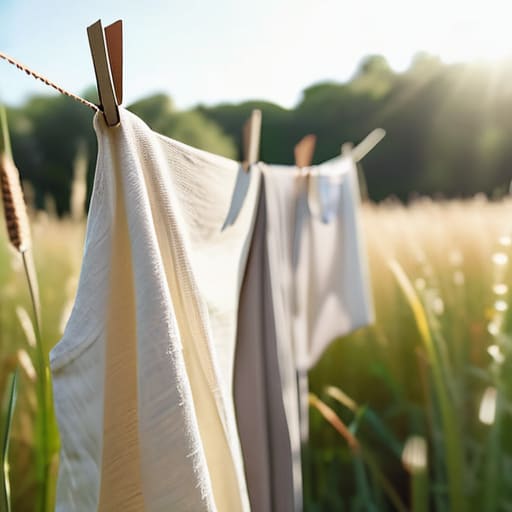
Air drying is the practice of letting garments dry naturally by hanging them on a line or laying them flat on a surface to allow ambient airflow to do the work. The core mechanism relies on evaporation through natural air circulation, which avoids the mechanical agitation and extreme temperature spikes found in machines. It is widely considered the gold standard for preserving the physical shape and fiber tension of high-quality textiles.
From where I stand, air drying is the only way to actually respect the craft that went into making your clothes. When I’m working with delicate knits or heavy-duty streetwear blanks, I always lean toward flat drying because it prevents that dreaded shoulder bump from hangers and keeps the silhouette exactly how the pattern cutter intended. It takes more patience and a bit more space in your studio, but it’s the difference between a shirt that looks vintage and intentional, and one that just looks like it’s been through a war zone.
Comparison of Food Drying Methods
| Feature | Solar Drying | Dehydrator | Freeze Drying | |
|---|---|---|---|---|
| Mechanism | Natural sunlight and heat | Electric heating and airflow | Sublimation in vacuum | |
| Cost | Very Low | Moderate | Very High | |
| Speed | Slow | Moderate | Fast | |
| Nutrient Retention | Moderate | High | Very High | |
| Best For | Small batches/budget | Herbs and fruits | Long-term storage/premium | |
| Complexity | Low | Medium | High |
Natural vs Mechanical Drying the Truth About Fabric Care and Longevity
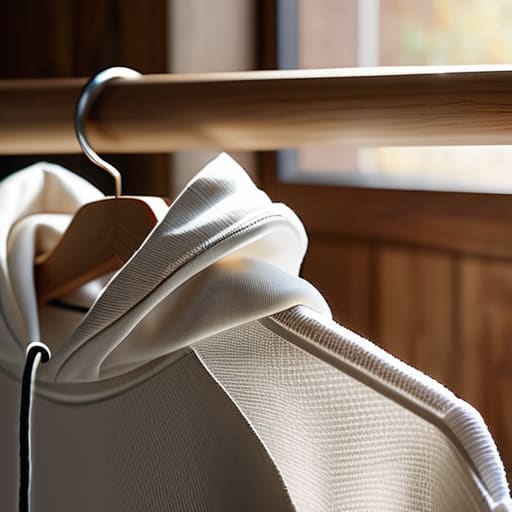
Look, I’ve seen way too many “premium” heavyweights turn into shapeless, shrunken messes because someone thought the dryer was a shortcut. If you’re investing in high-GSM blanks or pieces with intentional silhouettes, the way you dry them isn’t just a chore—it’s literally the difference between a garment that lasts years and one that dies in three washes.
When you go the mechanical route, you’re essentially putting your clothes through a controlled trauma session. The heat and constant tumbling cause micro-abrasions on the fibers, which is why your favorite vintage-feel tee eventually starts looking fuzzy and thin. It’s fast, sure, but you’re paying for that convenience with the structural integrity of the fabric.
Natural drying is the polar opposite. Laying things flat or hanging them avoids that aggressive friction, keeping the weave tight and the shape intact. The catch? It takes time and you have to watch out for sun bleaching if you’re leaving things out too long. But if you want to preserve the actual architecture of a garment, there is no substitute for air.
For sheer longevity and keeping your shapes crisp, natural drying wins every single time.
Tumble Drying Heat Settings Preventing Clothes Shrinkage and Fiber Damage
Look, I’ve seen too many people treat a high-end, heavy-weight blank like a rag they found in a gym locker. If you aren’t paying attention to your heat settings, you aren’t just drying clothes; you are actively sabotaging the structural integrity of the garment. It’s the difference between a shirt that holds its shape for years and one that becomes a crop top after a single cycle.
When you go full blast on a high-heat setting, you’re basically cooking the fibers. For those of us working with high GSM cotton, that intense heat causes the fibers to contract violently, leading to that dreaded, uneven shrinkage. On the flip side, using a low-heat or delicate setting is much kinder to the tension of the knit. It keeps the seam allowances from puckering and ensures the fabric doesn’t lose its intended drape.
If you’re looking for the safest way to keep your pieces looking intentional rather than accidental, the winner is clearly low-heat tumble drying. It might take a few extra minutes, but it’s the only way to avoid turning a premium investment into a total loss.
## The Bottom Line: Don't Let Your Laundry Routine Kill Your Wardrobe
If you’ve spent the extra cash on a heavyweight, high-GSM blank, stop treating it like a cheap promotional tee; high heat is the fastest way to turn a premium silhouette into a boxy, shrunken mess.
Air drying is your best friend for longevity, but if you have to use a machine, keep the settings low and treat the heat like a tool rather than a default setting.
Real garment care is about protecting the fibers you paid for, so prioritize gentle mechanical drying or natural airflow over the convenience of a high-heat cycle.
Frequently Asked Questions
If I'm using a heavy 300 GSM blank, is air drying actually better, or does it just make the garment feel stiff and crunchy?
Look, if you’re running a heavy 300 GSM blank, air drying is definitely better for the integrity of the fibers, but I won’t lie—it can feel like you’re wearing cardboard if you just leave it hanging. To avoid that “crunchy” texture, hang it while it’s still slightly damp or give it a solid shake before it fully dries. It keeps the weight intact without the heat-induced fiber damage.
Can I get away with a quick tumble dry on low if I'm in a rush, or am I basically asking for my seams to twist?
Look, I get it. You’re running late and that heavy cotton blank is still damp. But honestly? You’re playing a dangerous game. A quick blast on low might get you out the door, but you’re essentially gambling with the structural integrity of the garment. Between the agitation and the residual heat, you’re begging for torque—those twisted seams that make a premium shirt look like a cheap thrift store find after three washes. If you can, just hang it.
Does the type of hanger I use during air drying actually matter, or is that just more "aesthetic" nonsense?
It’s definitely not just for the “aesthetic” grid posts. If you’re air-drying a heavy-weight cotton tee on a cheap, thin wire hanger, you’re basically asking for those permanent, ugly shoulder bumps. I’ve seen too many good blanks ruined by gravity pulling the wet weight down into a weird shape. Use wide, padded hangers or even just lay them flat on a drying rack. Protect the silhouette, or you’re just wasting the money you spent on the fabric.