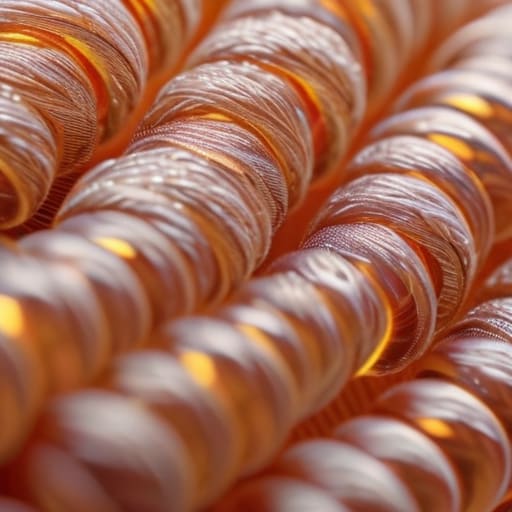
I was working in the studio last week, trying to prep a batch of heavy-weight organic cotton tees for a small run, when I realized just how much damage we do to good textiles without even thinking about it. I watched a friend pull a “soft” sweater out of the dryer, only to see it look absolutely lifeless and pill immediately. It’s the same cycle I see constantly: people buy high-quality, heavy GSM blanks thinking they’re investing in longevity, only to chemically strip the life out of them. We’ve been sold this lie that “soft” equals “better,” but if you actually look at the science of fabric softener and its downside, you’ll see it’s basically just coating your expensive fibers in a layer of waxy sludge.
I’m not here to give you a lecture on laundry chemistry or sell you on some overpriced eco-friendly alternative that doesn’t actually work. Instead, I’m going to pull back the curtain on how these additives actually interact with different weaves and why they’re quietly killing your favorite vintage finds. We’re going to talk about real garment integrity, from managing moisture wicking to preserving that perfect hand-feel, so you can stop wasting money on clothes that fall apart after three washes.
How a Chemical Coating on Textiles Destroys Longevity
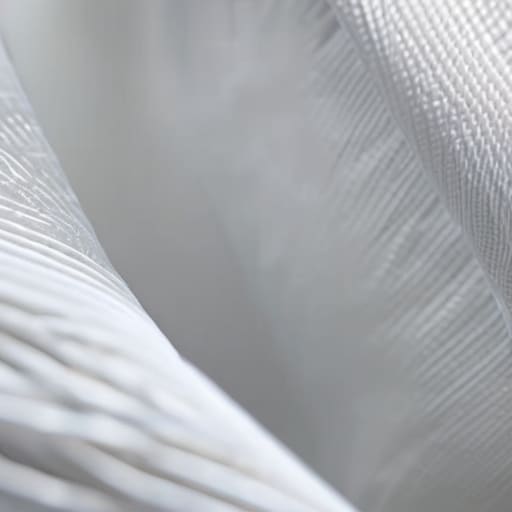
Here’s the thing about how these products actually work: they aren’t “softening” the fibers so much as they are lubricating them. Most liquid softeners work by depositing a thin, waxy layer of chemicals over every single thread. While that makes your shirt feel slick and fluffy right out of the dryer, you’re essentially creating a chemical coating on textiles that acts like a barrier. Over time, this buildup doesn’t just sit there; it suffocates the material.
I see this constantly with high-end cotton. That microscopic layer of wax starts to clog the gaps between the fibers, which is exactly why you lose the breathability of treated fabrics. If you’re wearing a heavy-weight cotton tee that’s been drenched in softener, it’s going to feel heavy and plasticky instead of airy and natural. It’s the same reason you’ll notice a massive impact of softeners on towel absorbency—the water can’t actually penetrate the fibers because they’re too busy being coated in a waterproof film. You aren’t making the fabric better; you’re just masking the texture while slowly killing its ability to perform.
The Silent Killer of Breathability in Treated Fabrics
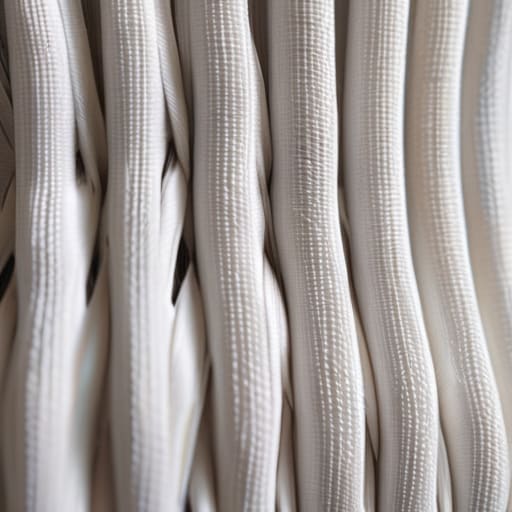
If you’ve ever put on a high-quality cotton tee after a wash only to feel like you’re wearing a layer of lukewarm plastic, you’ve experienced this firsthand. Most people think they’re just making their clothes “cozy,” but what they’re actually doing is sealing the weave. That chemical coating on textiles acts like a microscopic raincoat, filling in the tiny gaps between the fibers that are supposed to let air move. When you lose that airflow, you lose the ability to regulate your temperature, which is honestly a massive letdown when you’ve invested in a premium, breathable blank.
This becomes a total nightmare when we talk about performance gear or even your everyday terry cloth. I see it all the time in the studio—people complaining about how their gear feels “stiff” or “sweaty,” not realizing that how fabric softener affects moisture wicking is basically by sabotaging it. It creates a barrier that prevents sweat from actually moving through the fabric. If you’re looking for alternatives to liquid fabric softener, honestly, just stick to a splash of white vinegar in the rinse cycle. It keeps things soft without turning your favorite shirt into a non-breathable sponge.
How to actually care for your clothes without nuking the fibers
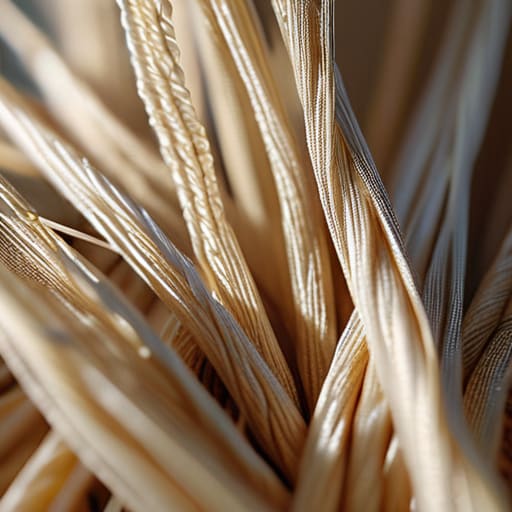
- Skip the liquid softener entirely and switch to a cup of white distilled vinegar in the rinse cycle; it strips away soap buildup and softens the fabric naturally without leaving a waxy film.
- If you’re obsessed with that “fluffy” feel, grab some wool dryer balls instead of those single-use scented sheets that coat your clothes in a layer of chemical sludge.
- Stop treating your high-GSM heavyweight tees like they’re delicate lace—they don’t need the extra chemical help to feel soft, and they’ll actually hold their shape better if you just wash them with a proper, mild detergent.
- Always check your garment tags for “technical” or “moisture-wicking” labels before you even think about reaching for the softener, because those chemicals will effectively turn your high-performance gear into a glorified plastic bag.
- When you’re washing those vintage 90s band tees I love so much, avoid the dryer altogether; air drying is the only way to ensure the print doesn’t crack and the fabric doesn’t lose its integrity to heat and chemicals.
The Bottom Line on Fabric Softener
Stop treating softness as a proxy for quality; that “fluffy” feeling is often just a temporary chemical film that actually degrades the fiber over time.
If you’re investing in high-GSM blanks or technical weaves, skip the softener—it coats the microscopic gaps in the fabric and effectively kills the breathability you paid for.
Protect your garment’s integrity by using much smaller amounts of detergent and ditching the additives; your clothes will actually last longer if you let the natural fibers do their job.
Frequently Asked Questions
If I've already been using softener on my favorite vintage tees, is there any way to actually strip that coating off without ruining the fabric?
Don’t panic, but yeah, you’ve basically been “waxing” your vintage finds. To strip that gunk, try a deep soak in a cup of white vinegar and some lukewarm water. The acidity helps break down those waxy buildup layers without melting the fibers. Avoid heavy agitation, though—those old tees are fragile. Once they’re rinsed, air dry them. It won’t be a miracle fix, but you’ll definitely feel the breathability coming back.
Are there any specific types of garments—like technical gear or heavy-duty cotton—where skipping the softener is an absolute non-negotiable?
If you’re wearing technical gear—think Gore-Tex or anything with a DWR coating—softener is a total death sentence for those membranes. It’ll gunk up the pores and kill the waterproofing instantly. Same goes for my heavy-duty cotton blanks. If you’ve invested in a high-GSM, structured tee, softener just makes it limp and greasy. If you want that crisp, intentional shape to actually last, leave the chemicals in the bottle.
What's a better way to get that soft, lived-in feel without essentially waxing my clothes in a layer of chemicals?
Honestly, just stop overthinking it. If you want that broken-in, vintage feel without the chemical wax, you need to embrace the wash cycle. Use a little bit of white vinegar in the rinse instead; it helps strip away residual detergent buildup without coating the fibers. But really? The best way is just time. High-quality cotton gets better with every wash. Buy a heavy GSM blank, wash it properly, and let the natural agitation do the work.