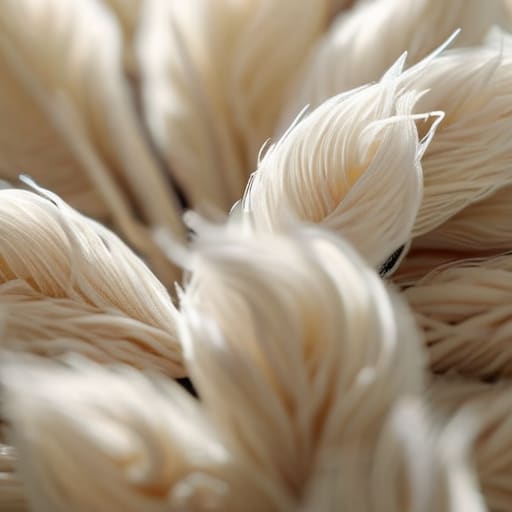
I remember sitting on the floor of my first shared studio, surrounded by half-empty ink cans and a mountain of “premium” hoodies that felt more like sandpaper than luxury. I had just spent a massive chunk of my tiny budget on what the supplier promised were top-tier fleece and brushed fabrics, only to realize the “brushed” part was just a thin, superficial layer of fuzz that would pill after exactly two washes. It’s infuriating how much of the industry relies on marketing buzzwords to mask mediocre construction, leaving you with a garment that looks great on a hanger but loses its shape before you even get it home.
I’m not here to sell you on a “lifestyle” or tell you which colorway is trending on TikTok. My goal is to pull back the curtain on the actual technical specs so you don’t get burned like I did. We’re going to talk about GSM, loft, and the structural difference between a quality knit and a cheap imitation. I want to give you the unfiltered truth about what makes a fabric actually hold its shape, so you can stop wasting money on hype and start investing in real craft.
Textile Thermal Insulation vs Just Feeling Soft
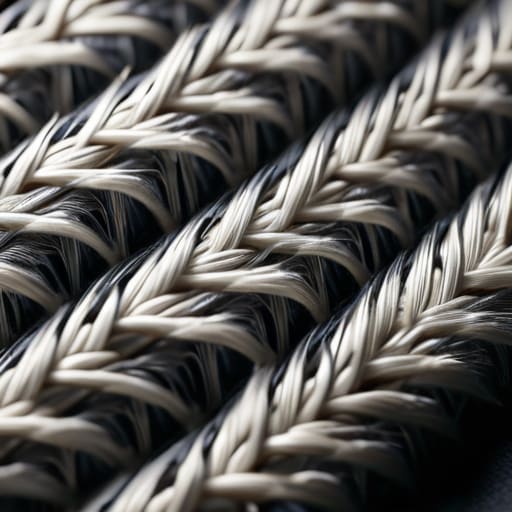
Here’s the thing: a lot of brands use “softness” as a shield to hide mediocre construction. They’ll lean hard into that fuzzy, cloud-like feeling to distract you from the fact that the garment has zero structural integrity. But there is a massive distinction between something that just feels nice against your skin and actual textile thermal insulation. If you’re looking at brushed cotton vs fleece blends, you have to ask yourself what the goal is. Are you trying to create a cozy layer for a lounge session, or do you actually need a piece that holds heat when the temperature drops?
The physics of it matters. When a fabric is brushed, you’re essentially lifting those tiny fibers to create air pockets. Those pockets are what trap heat, but if the fiber density is too low, that warmth escapes the second a breeze hits. I’ve seen so many “premium” hoodies that feel incredible in the shop, but once you look at the synthetic fleece properties in the composition tag, you realize it’s mostly cheap polyester filler. It’s soft for exactly three washes before it loses its loft and starts feeling more like sandpaper than a hug.
Synthetic Fleece Properties and the Trap of Cheap Loft
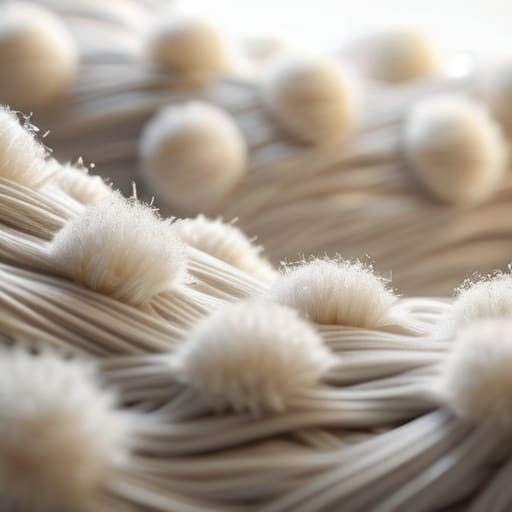
Here’s the thing about synthetic fleece properties: they are incredibly easy to manipulate, which is exactly why brands love them. When you’re looking at a garment that feels impossibly fluffy right off the rack, you’re often looking at high-loft polyester that’s been mechanically brushed to trap air. It feels like a hug, sure, but that “loft” is often a temporary illusion. Because these fibers are essentially tiny plastic tubes, they don’t have the structural integrity of natural fibers. You might get a great initial hand-feel, but you’re often paying for volume without substance.
The real trap is how these cheap synthetics handle actual wear. While they claim decent moisture wicking capabilities, the reality is that low-grade polyester tends to trap oils and odors rather than moving them away from the skin. You’ll notice the difference in the fabric texture differences after just three washes—the loft collapses, the fibers start to pill, and suddenly that cozy hoodie looks like a matted mess. If you aren’t careful with your sourcing, you’re just selling a disposable sensation that won’t survive a single season of real life.
How to spot a decent fleece before you commit to a production run
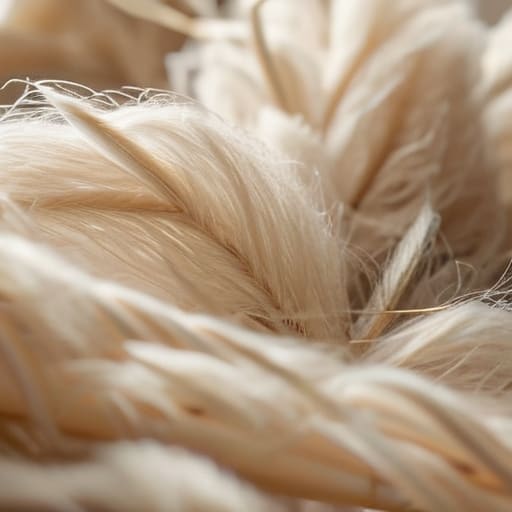
- Check the recovery. If you pull the fabric and it feels like it’s losing its shape immediately, that’s a sign of low-quality staple fibers that are going to pill and look like a mess after three washes.
- Don’t get blinded by the “soft touch.” A lot of brands use chemical softeners to make cheap, thin fleece feel cozy in the showroom, but those chemicals wash out, leaving you with a scratchy, lifeless garment.
- Look at the loop side. Before you even think about the face of the fabric, flip it inside out. If the brushed loft looks uneven or patchy, your heat press is going to struggle and the drape will be totally wonky.
- Do the weight math. If a brand claims it’s “heavyweight” but the GSM is sitting below 350, they’re selling you hype. Real, substantial fleece needs that density to actually hold its structure.
- Test the density of the knit. Hold the fabric up to the light; if you see huge gaps in the construction, that “loft” is just air and cheap polyester, and it won’t actually keep anyone warm.
The Bottom Line on Fleece
Don’t mistake “softness” for quality; a high-pile synthetic fleece might feel cozy for five minutes, but it’s usually just air trapped in cheap fibers that will pill or lose its shape by the third wash.
If you’re aiming for longevity, pay attention to the GSM and the fiber blend—heavyweight cotton-rich blends hold their structure much better than those ultra-fluffy, high-polyester blanks that feel like a cloud but drape like a trash bag.
Real warmth comes from density and loft, not just surface texture, so always check if the fabric actually has the substance to retain heat or if it’s just marketing fluff designed to hide a low thread count.
Frequently Asked Questions
How do I tell if a brand is using high-quality brushed cotton or just a heavy layer of polyester fluff to fake the weight?
The easiest way? The “squish and snap” test. Grab a handful of the fabric and squeeze. High-quality brushed cotton has a certain structural memory; it feels dense and then bounces back. If it feels like you’re squeezing a handful of cheap polyester pillow stuffing—super airy, almost unnaturally springy, and lacking any real “heft”—it’s likely just fake loft. Also, check the nap. If the fuzz looks uniform and plastic-y, run.
If I’m aiming for a premium streetwear drape, should I be looking at loopback French Terry instead of a heavy brushed fleece?
It depends on what you mean by “premium.” If you want that heavy, structured silhouette that holds its shape, a high-GSM brushed fleece is your best bet. But if you’re chasing that high-end, fluid drape—the kind that moves with the body rather than just sitting on top of it—go with loopback French Terry. Fleece is cozy, but it can get bulky and “pill-y” fast. Terry just feels more intentional and sophisticated.
Does the brushing process actually ruin the structural integrity of the fabric over time, or is that just a myth?
It’s not a myth, but it’s also not a death sentence. Brushing is essentially mechanical abrasion—you’re literally tearing up the surface fibers to create that cozy loft. If you’re working with low-quality, short-staple cotton, that brushing process is going to shred the structural integrity, leading to those annoying pills and a fabric that loses its shape after three washes. You want high-quality, long-staple fibers that can handle the nap without falling apart.